


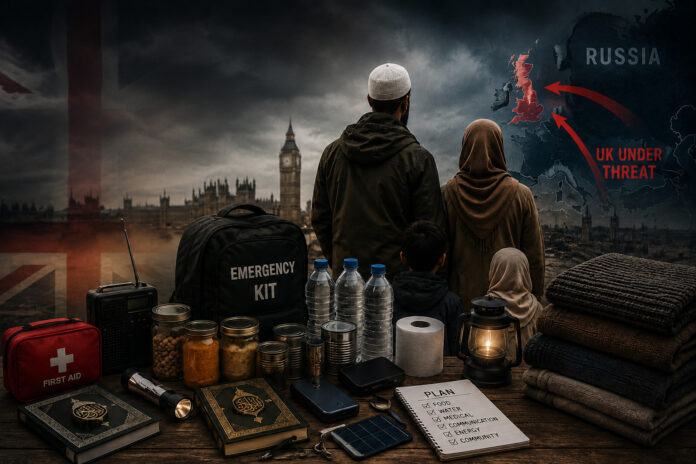
Britain is urging citizens to prepare for major emergencies as global tensions and economic chaos rise but are British Muslims ready for the unthinkable? If the lights go out, shelves run empty and society fractures, are you capable of providing for your family? If not, then start prepping, it’s time for the rise of Islamic survivalism, writes Robert Carter.
For years, the idea of preparing for a major disaster was often dismissed as the obsession of tinfoil-hat conspiracy cranks or “doomsday preppers” living in bunkers and waiting for civilisation to collapse. However, I think it’s time to face the fact that that attitude is becoming increasingly difficult to defend.
Think survival and self-sufficiency
Subscribe to our newsletter and stay updated on the latest news and updates from around the Muslim world!
The Government recommends households prepare supplies for emergencies lasting several days, at least four.
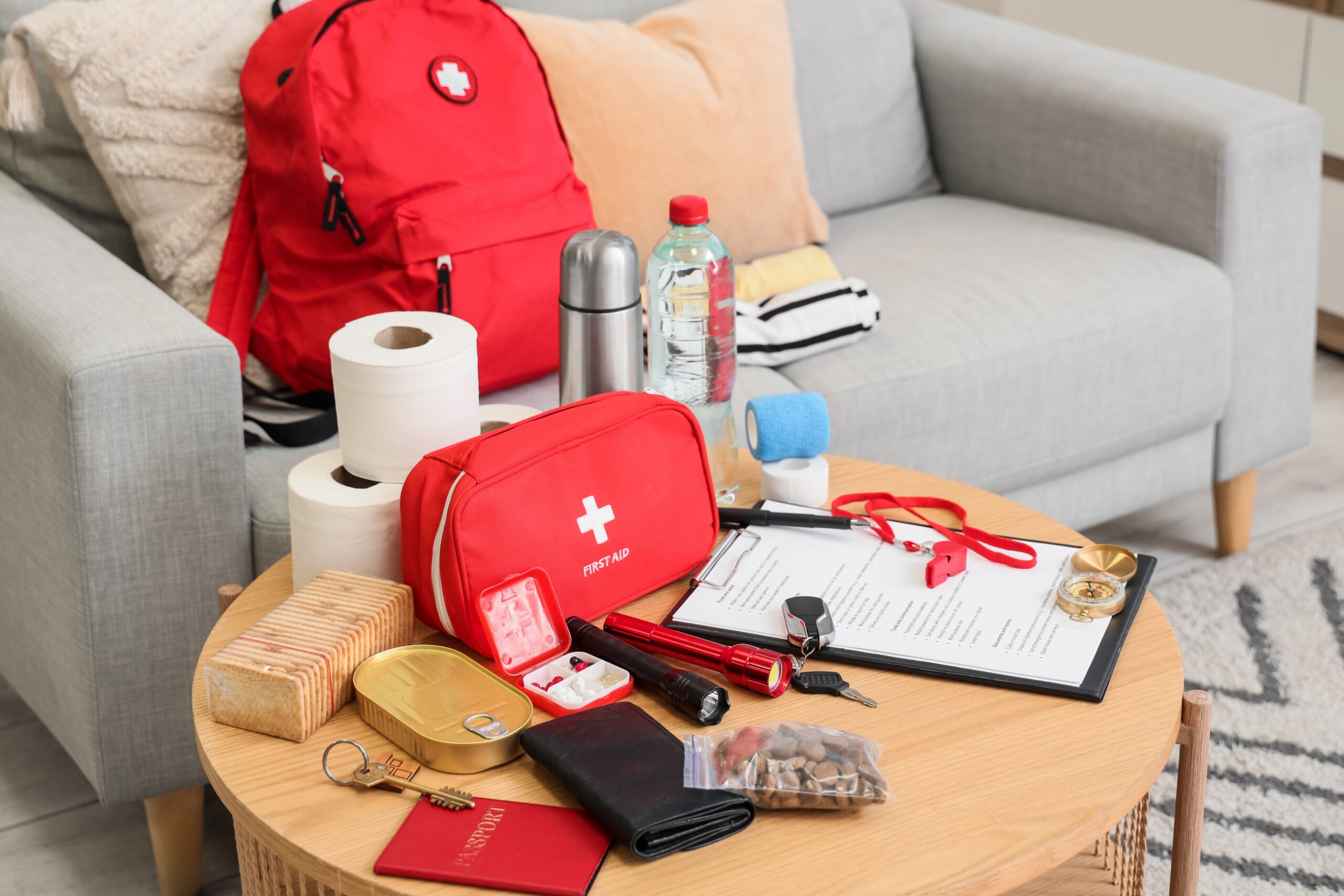
Its official guidance includes stockpiling bottled water, non-perishable food, a torch, spare batteries, a battery or wind-up radio, a power bank, first-aid supplies, hand sanitiser, wet wipes and essential medication.

It also recommends keeping important telephone numbers and information written down on paper because phones, internet services and electricity may not work.
Now, just for clarity, I am not going to encourage in this read that you all prepare for life in the great wilderness. This isn’t a zombie apocalypse Netflix drama. The fact is, in an emergency, most of us will shelter in place at home, not head out into the wild. So most of the advice is on how to prepare your home for you and your family in order to weather any crisis in the short term.
However, learning outdoor survival skills feeds into exactly what we are talking about and pretty must all the skills an outdoor survivalist can teach you would be of huge benefit to someone also trying to survive at home without access to any state support. So, by all means, do also learn key outdoor skills and engage with wildlife survival training too.
The Government’s current guidance says that 2.5–3 litres of drinking water per person per day is a minimum survival requirement, while around 10 litres per person per day allows for basic cooking and hygiene as well.
That means a family of four should already be thinking seriously about how it would obtain and store enough water if the mains supply stopped. The same applies to food. As many will remember during the COVID pandemic, bottled water and other essentials quickly disappeared off the shop shelves, so relying on supermarkets is also unwise.
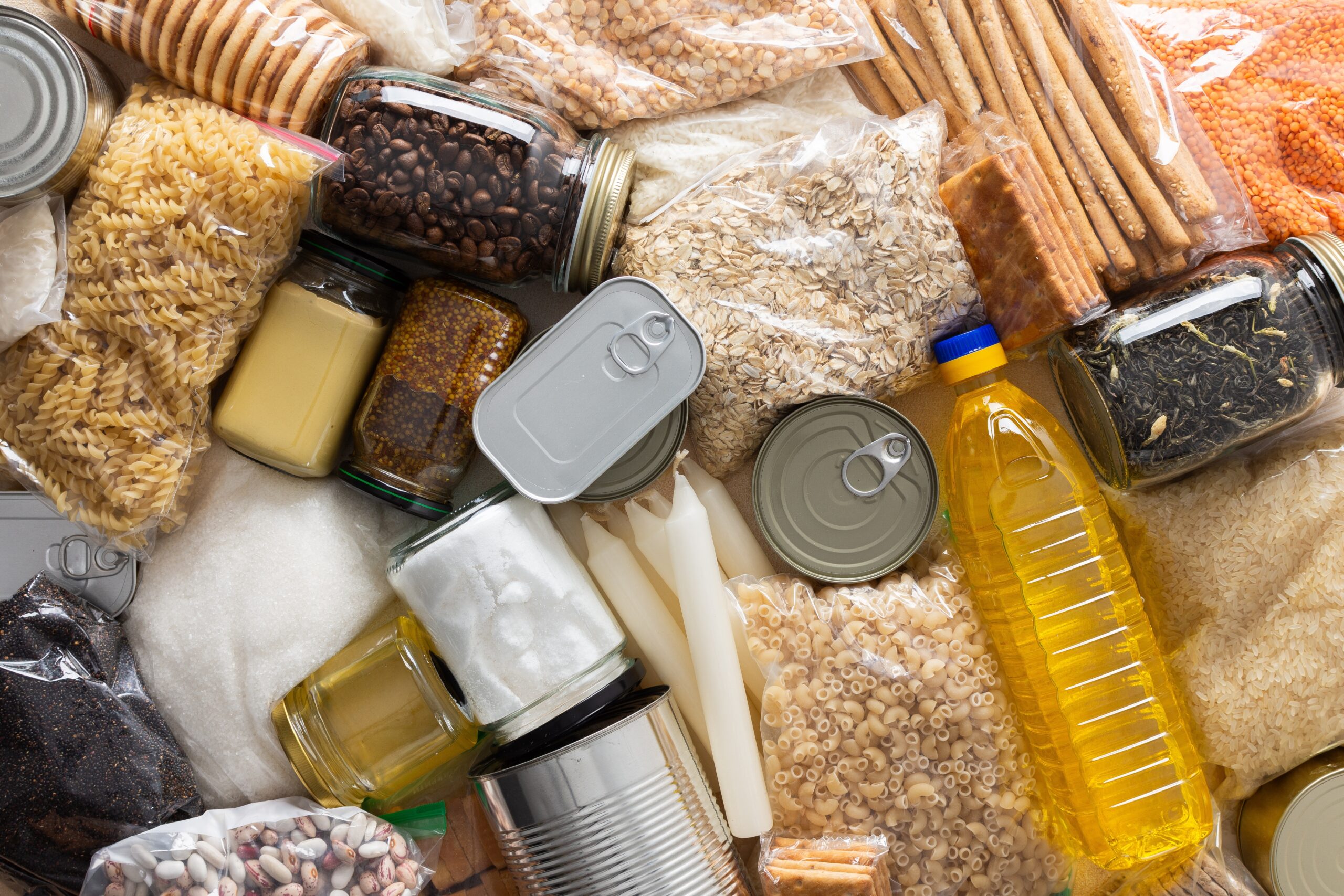
We shouldn’t wait until there is a crisis to discover that your cupboards contain little more than a bit of rice. Stock up gradually on foods your family actually eats: rice, pasta, flour, oats, pulses, tinned vegetables, tinned fish, long-life milk, cooking oil, dried fruit and other foods with long shelf lives.
The British Red Cross itself also recommends households maintain emergency supplies including cash, torches, ID such as your passports, radios, power banks, essential medication, first-aid equipment, hygiene supplies and several days’ worth of food and water.
Beyond the official advice, serious preparedness enthusiasts would also recommend learning practical skills: basic first aid, cooking without electricity, preserving food, gardening, basic DIY, repairing clothes and equipment, navigating without GPS and maintaining an emergency communication plan. Skills cannot be confiscated, run out of stock or switched off.
I myself have begun a journey of mediocre survivalist prepping but have taken measures which make me feel far more comfortable with my ability to safeguard my family should the worst happen.
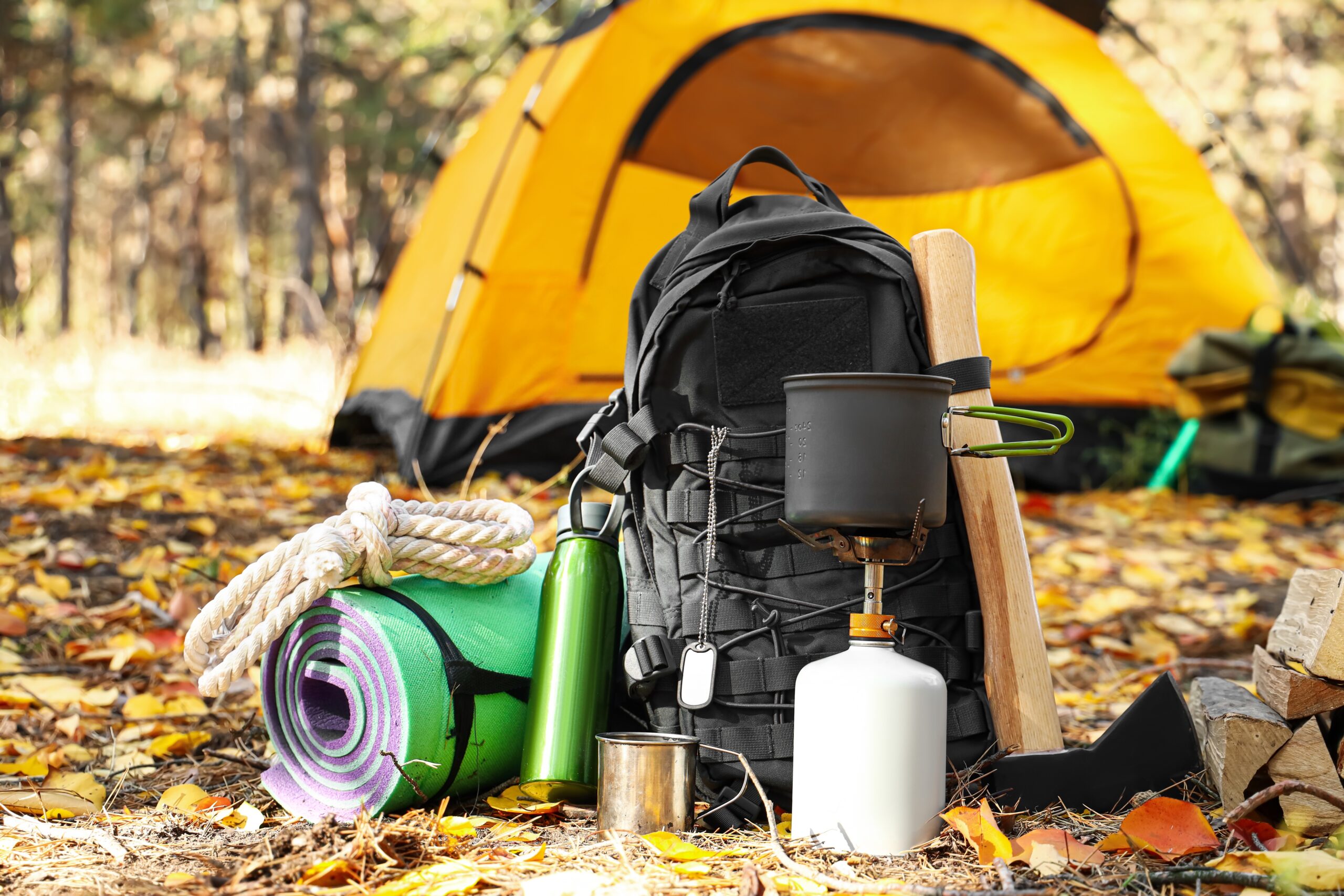
I have an axe, stockpile wood which I use to heat my home and sometimes cook, often for free since I have secured a supply of wood. I have easy-to-use fire lighters, outdoor portable cookers which work on wood or gas, larger power storage devices which are powered by a solar panel and a very affordable water purifying device which can free filthy water from dirt, bacteria and other contaminants. I’ve also started to collect storage which can hold water in a neat and tidy way making stockpiling less of a space invading pass time.
For those of us who are blessed with additional means, investing in large solar panels and/or a fire stove are also practical ways to become seriously self-sufficient, maintaining the ability to store electricity and heat in case of a prolonged power outage rather than just a several-day emergency. A multi-tool or Swiss army knife is also a practical must-have in any survivalist’s kit.
‘Trust in Allah – and tie your camel’
There is also a deeper reason for Muslims to think about this. Modern consumer culture has made many of us extraordinarily dependent.
We buy our food from supermarkets, our entertainment through the internet, our communication through smartphones and increasingly our everyday services through digital systems. But our grandparents and great-grandparents often possessed skills that have almost disappeared.
They knew how to grow food. They preserved meat and vegetables. They repaired things instead of throwing them away. They cooked from basic ingredients and made it taste good! They stored provisions. They knew their neighbours and they were accustomed to living with considerably less.
Learn first aid. Learn how to purify water safely. Learn basic sewing and repairs. Know how to start a fire without any assistance and how to maintain one. Have a family meeting point and emergency plan.
There are also messages from within Islam itself which teach Muslims to be wise when it comes to stockpiling and being prepared. In fact, one of the Qur’an’s most striking examples of crisis preparedness comes from Prophet Yusuf A.S. When he interpreted Pharaoh’s dream as a warning of seven years of famine, he didn’t tell the people simply to put their trust in Allah SWT and carry on as normal. He devised a plan to grow, preserve and store food during the years of plenty so that Egypt could survive the years of scarcity.
There is another important Islamic saying which should underpin any discussion of preparedness.
According to famous hadith in Al Tirmidhi, a man once asked the Prophet Muhammad ﷺ whether he should leave his camel untied and rely upon Allah SWT, or tie it and rely upon Allah. The Prophet ﷺ answered simply: “Tie it and rely upon Allah.”
The lesson is profound. Tawakkul is not passivity. We take reasonable precautions, prepare for foreseeable difficulties and use the means Allah has placed at our disposal – while ultimately recognising that the outcome remains in His hands.
For a Muslim preparing for a blackout, food shortage, water disruption or wider emergency, that could mean storing food and water, learning practical skills, keeping basic medical supplies, maintaining alternative sources of light and power and preparing to care for one’s family and neighbours.
There have been times when Muslims faced great hardships and challenges including: persecution, drought, famine, war, pestilence. But what protected the Ummah was Allah’s mercy, but also self-sufficiency. Muslims relied on themselves and found internal community solutions to problems using Islam as a blueprint for building a successful society.
I fear we have become complacent in modern times and that we shouldn’t rely on the goodwill of the state or society alone if society itself breaks down. It is during major crises where the best but also the worst of humanity can manifest. After all, out of the crisis of WW1 came the rise of fascism and later WW2. I believe there are eerie similarities to the subtle warnings being issued today and the pre-WW2 messaging from the 1930s.
What we need is to create a community which is devout, religious and trained in skills to survive on our own. Totally sufficient, with the means to take care of our loved ones when the rest of society falls apart. Training and ready Islamic survivalists.
A beginner list for new preppers
A number of websites and survivalist social media influencers create simple check lists for those who want to prep for a disaster. Some dedicated preppers can invest tens of thousands into huge stockpiles of supplies and major infrastructure work on their property to prepare it to stand as a fortress of safety should society collapse. But for beginners and laymen (like myself) don’t panic, there are simpler and more affordable steps which we can take to significantly improve our chances in a short-term crisis.
This list is well established basic which can easily get you through weeks of an emergency. Depending on price, most of these items can be secured for approximately £1,000 or less.
LIGHT & POWER
- 2+ torches + spare batteries/rechargeable torch
- Headtorch
- Battery/wind-up lantern
- Charged power banks + multi-USB cable
- Small solar panel/solar power station
WARMTH & SHELTER
- Designated “safe room” for the household
- Extra blankets/duvets
- Thermal layers, hoodies, thick socks & hats
- Draught excluders/towels
- Safe heating option + working carbon monoxide alarm
WATER & COOKING
- Drinking water: 2L per person/day for 3 days
- Bottled water or clean refillable containers
- Camping gas stove/Trangia + appropriate spare fuel
- Metal kettle/pots
- Never use fuel-burning stoves indoors without appropriate ventilation.
LONG LIFE FOODS
- Tinned soup, beans, vegetables & tomatoes
- Tinned fish
- Instant noodles/pasta pots
- Porridge oats/cereal
- Nuts, oatcakes, cereal bars & biscuits
- Manual tin opener
- Rotate older food to the front
COMMUNICATIONS
- Fully charged phones
- Power banks
- Battery/wind-up radio
- Important phone numbers written down
- Paper map
- Whistle + bedside torch
HEALTH & HYGIENE
- First-aid kit: plasters, sterile wipes, dressings, tape, antiseptic, pain relief, thermometer & tweezers
- Regular medicines kept topped up
- Spare glasses/contact lenses
- Wipes & hand sanitiser
- Sanitary products
- Small bin bags
CASH & DOCUMENTS
- Emergency cash in £5/£10/£20 notes
- Passports & driving licences
- National Insurance details
- Insurance documents
- Tenancy/mortgage information
- Secure digital copies of important documents
FAMILY PLAN
- Know where the gas shut-off and fuse box are
- Write down emergency contacts
- When power fails: grab torches, gather everyone in the safe room, fill water containers while taps still work, check vulnerable neighbours and monitor official updates.
- Stay home unless there is fire, flooding, structural damage or an official evacuation order.