


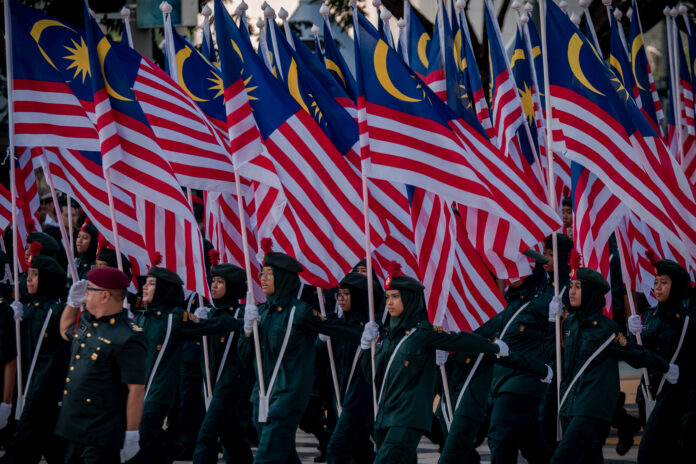
Sixty-nine years after gaining independence from Britain, Malaysia has become one of the Muslim world’s most prosperous and stable nations. But how should its record be judged from an Islamic perspective?
Malaysia is celebrating 69 years of independence today as millions mark “Merdeka Day” across the Southeast Asian nation.
On August 31, 1957, the Federation of Malaya gained independence from Britain. Six years later, Malaya joined Sabah and Sarawak to form Malaysia.
What followed has been, by many conventional measures, a remarkable national success story, from a worldy perspective at least.
Malaysia has transformed itself from a relatively poor economy dependent heavily on commodities such as rubber and tin into a major manufacturing, trading and services economy.

The World Bank says Malaysia has made impressive progress in economic growth and poverty reduction and is now approaching high-income status.
But Malaysia is particularly interesting to Muslims because its success has occurred alongside an increasingly prominent role for Islam in the country’s political, economic and social life, although falling well short of an Islamic state.
Subscribe to our newsletter and stay updated on the latest news and updates from around the Muslim world!
So 69 years after independence, how successful has Malaysia really been — and how should Muslims judge its achievements?
Islam and the Malaysian state
Around two-thirds of Malaysia’s approximately 35 million inhabitants are Muslim, while the country also has substantial Buddhist, Christian and Hindu minorities, largely among its ethnic Chinese and Indian communities.
Islam occupies a special constitutional position. Article 3 of Malaysia’s Federal Constitution declares that “Islam is the religion of the Federation” while allowing other religions to be practised.
However, Malaysia is not governed exclusively by Islamic law. It is a constitutional monarchy and parliamentary democracy whose legal system remains heavily influenced by the British system inherited at independence.
Alongside the civil courts, however, there are Shari’ah courts dealing with certain matters concerning Muslims, particularly family and religious affairs.
Islam and ethnicity are also unusually intertwined. The constitution’s definition of a Malay includes someone who professes Islam, speaks the Malay language and conforms to Malay customs.
That relationship between Malayness and Islam has profoundly shaped Malaysian politics.
For decades, the dominant United Malays National Organisation (UMNO) presented itself as the defender of Malay and Muslim interests.
Meanwhile, the Islamic Party of Malaysia (PAS) has pushed for a more explicitly Islamic political system and has become an increasingly powerful force among Malay Muslim voters.
Current Prime Minister Anwar Ibrahim represents yet another tradition. Anwar emerged from Malaysia’s Islamic youth movement before entering mainstream politics and has attempted to reconcile Islamic values with parliamentary democracy, economic development and Malaysia’s multiracial character.
Race and Islam
But Malaysia’s model also presents difficult questions.
Following serious racial violence in 1969, the government introduced affirmative-action policies designed primarily to improve the economic position of Malays and other indigenous Bumiputera communities, who had historically lagged behind the country’s economically powerful Chinese minority.
The policies helped create a substantial Malay middle class and increased Malay participation in universities, business and the professions.
But more than half a century later, preferential policies remain deeply embedded in Malaysian society.
Supporters argue they continue to protect the economic position of the indigenous majority. Critics say they have encouraged dependency and political patronage and discriminate against Chinese and Indian Malaysians.
An economic success story
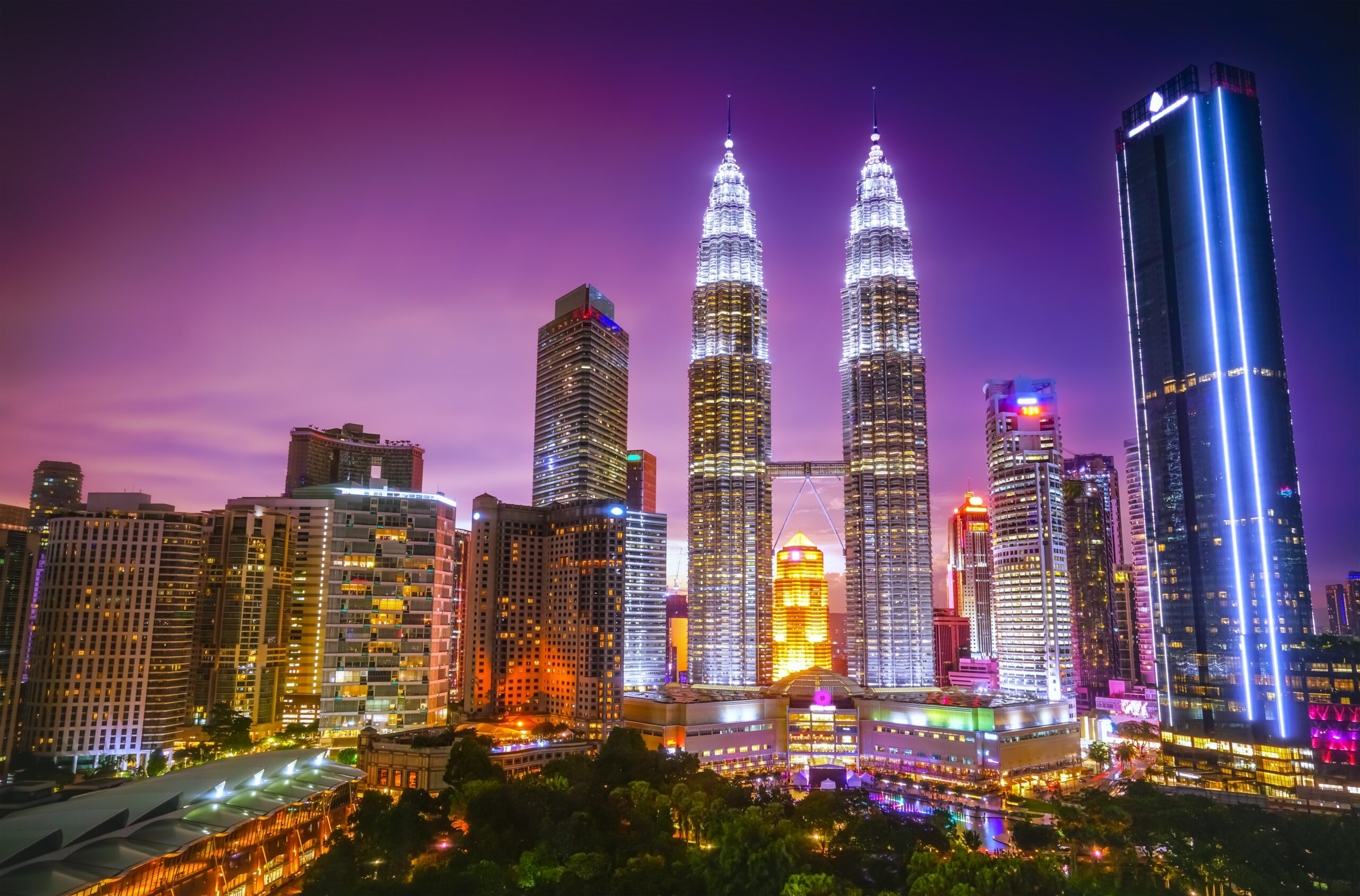
There can be little doubt that Malaysia’s material transformation has been substantial.
Its cities, infrastructure, manufacturing sector, universities and increasingly sophisticated technological economy bear little resemblance to the country Britain left behind in 1957.
Poverty has also fallen dramatically, although significant inequality remains and some regions, particularly Sabah, continue to experience much higher levels of deprivation.
Malaysia is now seeking to move further into semiconductors, Artificial Intelligence, data centres and other high-value industries.
And in one particular field Malaysia has become a genuine Muslim world leader.
Malaysia has built one of the world’s most sophisticated Islamic financial systems. According to Malaysia’s central bank, Islamic financing accounted for 48% of all financing in the country in 2025.
Bank Negara Malaysia describes Islamic finance as a “core pillar” of the national economy and has attempted to develop financial products based around Shari’ah principles including fairness, shared prosperity and connection to the real economy.
Malaysia has also established itself as a major centre of the global halal economy, covering food, pharmaceuticals, tourism and other industries.
The World Bank has previously estimated that the halal economy contributes around 7.5% of Malaysian GDP.
Corruption and authoritarianism
Malaysia’s economic achievements have also been accompanied by serious political failures.
UMNO and the Barisan Nasional coalition governed the country uninterrupted for more than six decades, and although Malaysia regularly held elections, the state was frequently accused of restricting political opposition, media freedom and dissent.
The greatest stain on Malaysia’s recent history was the 1MDB corruption scandal.
US investigators said around $4.5 billion was diverted from the state investment fund through an extraordinary international network of offshore accounts and shell companies.
Former Prime Minister Najib Razak was eventually imprisoned after being convicted in corruption cases linked to the wider scandal.
For a country where politicians frequently invoke Islam, corruption on such a scale represents an obvious contradiction.
In 2018, Malaysians peacefully removed Barisan Nasional from power for the first time since independence.
How Islamic is Malaysia?
From an Islamic perspective, Malaysia presents a mixed picture.
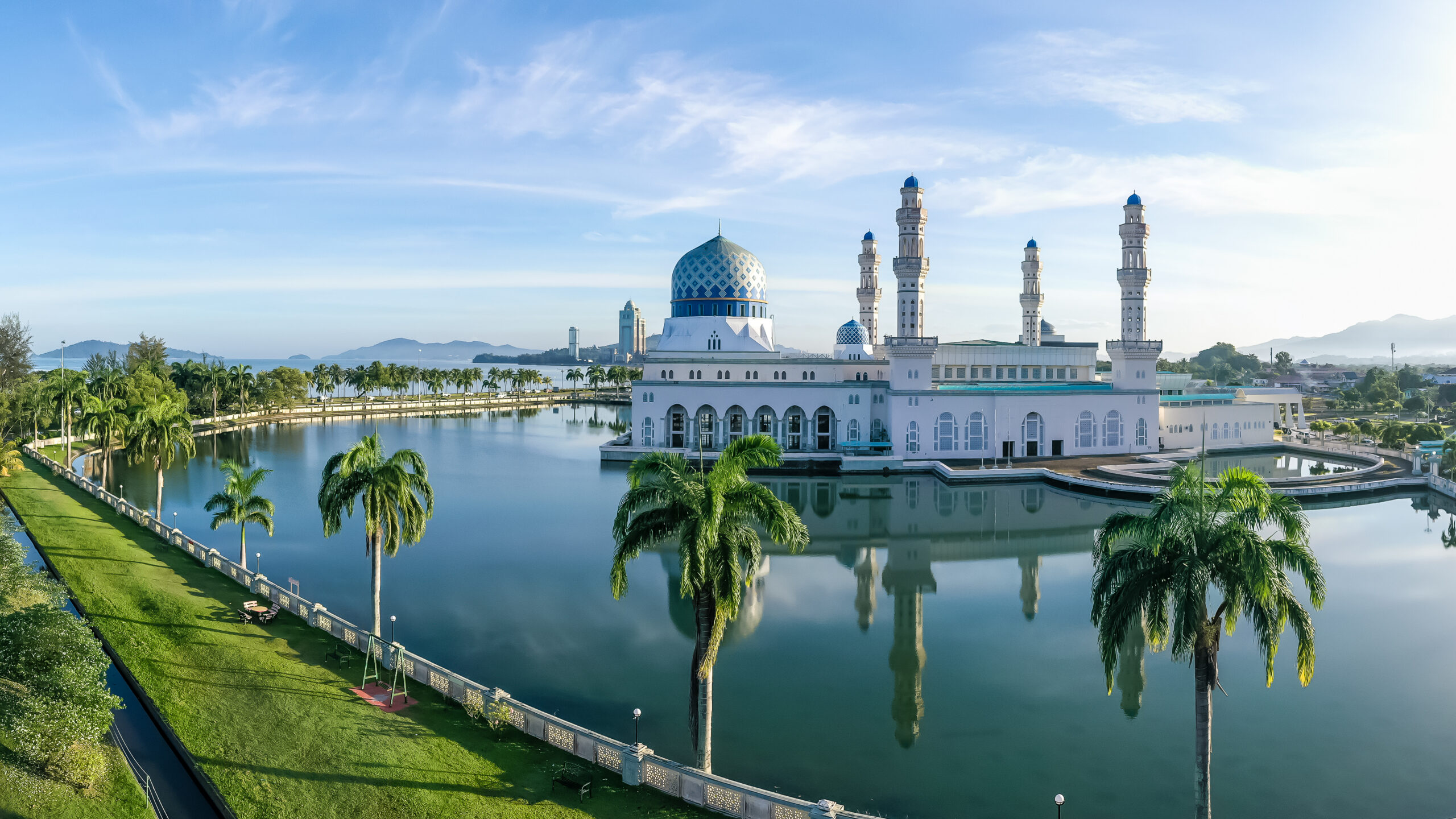
Islam is deeply embedded in public life. Shari’ah courts govern areas such as Muslim marriage, divorce and inheritance, Islamic education is widespread, mosques and religious institutions are prominent, and Malaysia has become a world leader in Islamic finance and the halal economy.
But Malaysia is not governed comprehensively by Shari’ah. Much of its legal, constitutional and political system remains based on the secular framework inherited from British rule, while Islamic law has limited jurisdiction.
And an Islamic society cannot be judged merely by the visibility of Islam. The Shari’ah also demands justice, honest government, protection of wealth and life, care for the vulnerable and fair treatment of minorities. Malaysia’s record on corruption, political patronage and ethnic preference therefore raises legitimate Islamic concerns.
So at 69, Malaysia can reasonably be regarded as one of the Muslim world’s success stories: prosperous, stable and unmistakably Muslim. But its challenge is to ensure that Islam is reflected not only in its institutions and identity, but increasingly in justice, integrity and good governance.