


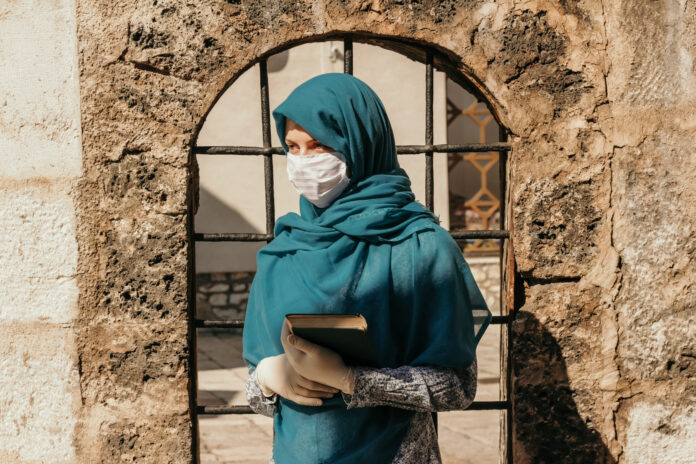
Schoolchildren across Muslim-majority Azerbaijan have staged protests and boycotted lessons after girls wearing the hijab were barred from classrooms under new government regulations enforcing “secular dress codes.”
Videos circulating on social media show pupils protesting outside schools, refusing to attend classes in solidarity with their hijab-wearing classmates and demanding an end to restrictions on Islamic headscarves.
The controversy has also spread to teachers, with reports that women have been told to remove their hijabs or face losing their jobs.
The protests have intensified a national debate about religious freedom in Azerbaijan, a country where the overwhelming majority of the population is Muslim but the state maintains a strictly secular education system.
The Azerbaijani government maintains that public schools must uphold secular principles and enforce uniform dress codes, arguing that religious clothing such as the hijab is incompatible with these requirements.
Schoolchildren refuse to attend lessons
At Secondary School No. 69 in Balakhany, near the capital Baku, pupils refused to attend lessons after classmates wearing hijabs were prevented from entering the school.
Subscribe to our newsletter and stay updated on the latest news and updates from around the Muslim world!

Similar protests have been reported at a school in the southern Masally district, where pupils demanded that their classmates be allowed to return to education without removing their headscarves.
Footage shared online has shown emotional scenes of schoolgirls leaving educational institutions in tears after reportedly being turned away because of their religious clothing.
In another widely circulated video, pupils are seen embracing their teacher, Zahra Hasanova, who says she was prevented from continuing to teach while wearing her hijab.
Hasanova has publicly challenged the restrictions, arguing that Muslim women and girls should not be forced to choose between their religious beliefs and their education or employment.
“I am against forcing anyone to wear the hijab and against forcing anyone to uncover her head,” she said.
She also warned that preventing girls from attending school because of their headscarves could damage their educational prospects and futures.
What has the government done?
The controversy follows changes to Azerbaijan’s education laws and school dress regulations introduced over recent months.
In July, the government introduced legislative changes reinforcing the secular character of public education and establishing clothing requirements for students and teachers.
On September 21, the Cabinet of Ministers amended school uniform regulations to prohibit clothing that violates uniform standards or conflicts with the secular nature of education.
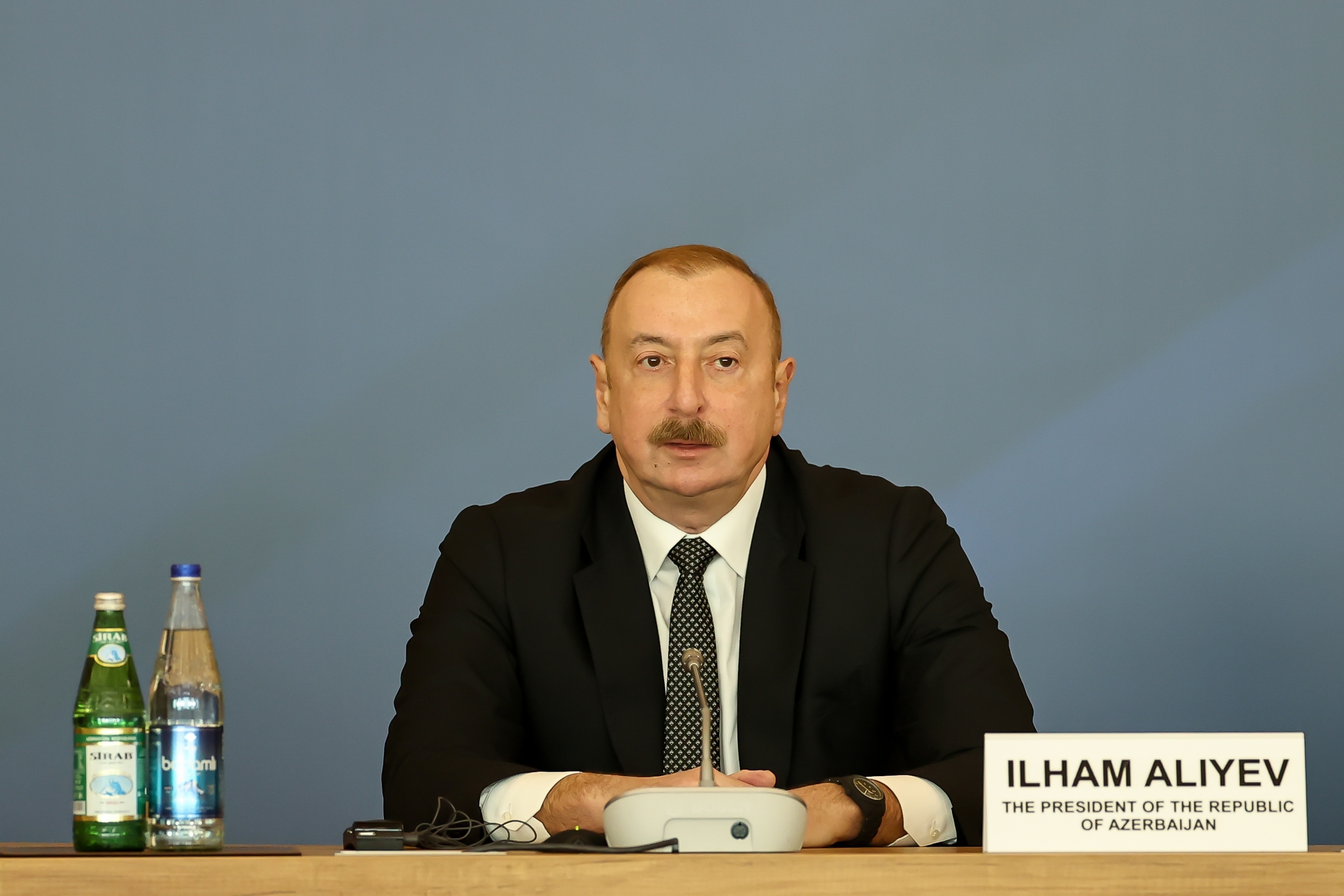
Further regulations introduced on October 6 required teachers’ clothing to comply with the principle of secular education.
Crucially, the regulations do not explicitly mention the hijab or impose a nationwide prohibition on Islamic headscarves.
However, some school administrators have reportedly interpreted the new rules as grounds for excluding hijab-wearing pupils and requiring female teachers to remove their headscarves.
Teachers in Baku and Sumgayit have reported being instructed to uncover their hair or resign.
The Baku Education Department has defended the importance of complying with school uniform requirements, stating that school administrations are responsible for enforcing the regulations and parents must ensure their children attend school in the prescribed clothing.
However, the authorities have not clearly explained how girls who refuse to remove their hijabs will be guaranteed access to education.
Growing opposition
The restrictions have provoked criticism from religious figures, activists, journalists and politicians, both inside Azerbaijan and abroad.
Azerbaijani theologian Abgul Suleymanov was detained in September and sentenced to 30 days’ administrative detention.
His family believes the detention was connected to his public criticism of the hijab restrictions, although the authorities have not publicly clarified the legal grounds for his detention.
Meanwhile, imprisoned Azerbaijani journalist Polad Aslanov reportedly began a hunger strike on October 8 in protest against the treatment of hijab-wearing schoolgirls and teachers.
Aslanov said he wanted to defend the constitutional rights of Muslim girls who were being forced to choose between education and religious observance.
Opposition politician Tural Abbasli has also criticised the exclusion of hijab-wearing children, warning that denying them education could deepen divisions between religious families and the state.
The controversy has spread beyond Azerbaijan’s borders.
On October 3, members of the Turkish rights organisation Özgür-Der demonstrated outside Azerbaijan’s consulate in Istanbul, demanding an end to restrictions affecting Muslim women and girls.
Protesters carried placards calling for freedom to wear the hijab and expressing solidarity with Azerbaijani schoolchildren.
A Muslim-majority but secular country
Azerbaijan is an overwhelmingly Muslim country, with Muslims accounting for approximately 96% of its population.
Most Azerbaijanis are traditionally associated with Shia Islam, although there is also a substantial Sunni minority.
However, Azerbaijan has a long history of secular government, shaped partly by decades of Soviet communist rule, during which religious institutions and public religious expression were heavily restricted.

Editorial credit: Rustamli Photos / Shutterstock.com
Following independence from the Soviet Union in 1991, Azerbaijan maintained a constitutional separation between religion and the state.
Under President Ilham Aliyev, who has ruled since 2003, the government has maintained extensive oversight of religious institutions and activities.
Although Islam remains an important part of Azerbaijan’s national and cultural identity, public religious observance varies considerably, and the country’s political and educational institutions operate on secular principles.
The hijab has been a recurring source of controversy.
In 2010, restrictions on Islamic headscarves in educational institutions triggered protests and criticism from religious communities.
Earlier in 2026, there were further reports of schoolgirls being excluded from classrooms for wearing hijabs, months before the latest government regulations were introduced.