
The International Court of Justice has ruled that Myanmar committed genocide against Rohingya Muslims, ordering the country to compensate victims and investigate those responsible for the atrocities.
The United Nations’ highest court delivered its landmark judgment in The Hague today, finding by nine votes to six that Myanmar had violated the 1948 Genocide Convention through its treatment of the Rohingya minority in northern Rakhine State.
Approximately 10,000 Rohingya Muslims were killed during Myanmar’s military operations in Rakhine State in 2017, with many victims shot, burned alive or beaten to death.
The court cited research by Médecins Sans Frontières estimating that between 6,700 and 9,867 Rohingya were violently killed in just the first month of the crackdown. It also examined evidence documenting at least 1,834 victims of rape, alongside widespread physical injuries, sexual violence and severe psychological trauma.
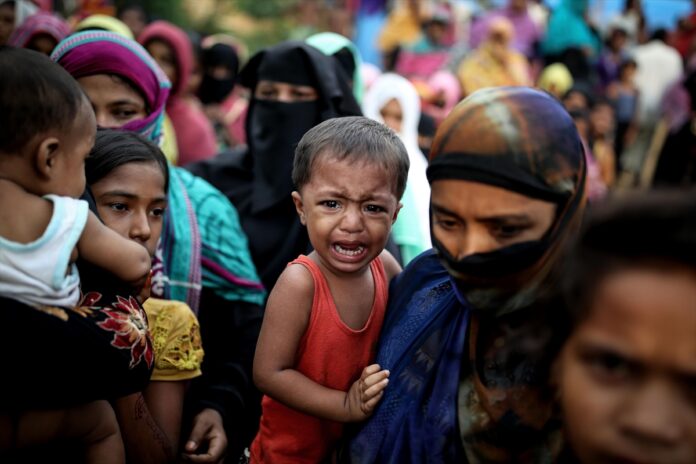
More than 700,000 Rohingya fled across the border into Bangladesh, where many remain in refugee camps nearly a decade later. The court did not establish a comprehensive figure for those injured, but concluded that Myanmar’s security forces had deliberately inflicted serious bodily and mental harm on the Rohingya population.

The ruling follows a seven-year legal battle brought by the Muslim-majority West African nation of The Gambia, which accused Myanmar of carrying out a campaign of mass killings, sexual violence and destruction against the Rohingya.
In its 191-page judgment, the court declared: “The Republic of the Union of Myanmar has committed genocide against the Rohingya group in northern Rakhine State.”
Subscribe to our newsletter and stay updated on the latest news and updates from around the Muslim world!
The judges also found that Myanmar had failed to prevent genocide by individuals operating alongside its security forces and had violated its obligations to punish those responsible.
The court ordered Myanmar to investigate individuals reasonably suspected of involvement in the 2017 atrocities and, where warranted, prosecute and punish them.
It further ruled that Myanmar must compensate Rohingya victims for harm caused by its violations of the Genocide Convention, where that harm cannot be remedied through restitution.
The amount and arrangements for compensation will be determined in subsequent proceedings, with Myanmar required to submit a report to the court within two years.
Mass killings and sexual violence
The case centred on Myanmar’s military operations against Rohingya Muslims in 2017, when security forces launched what they described as clearance operations in Rakhine State.
The operations involved widespread killings, sexual violence, the destruction of Rohingya villages and attacks on civilians fleeing towards neighbouring Bangladesh.
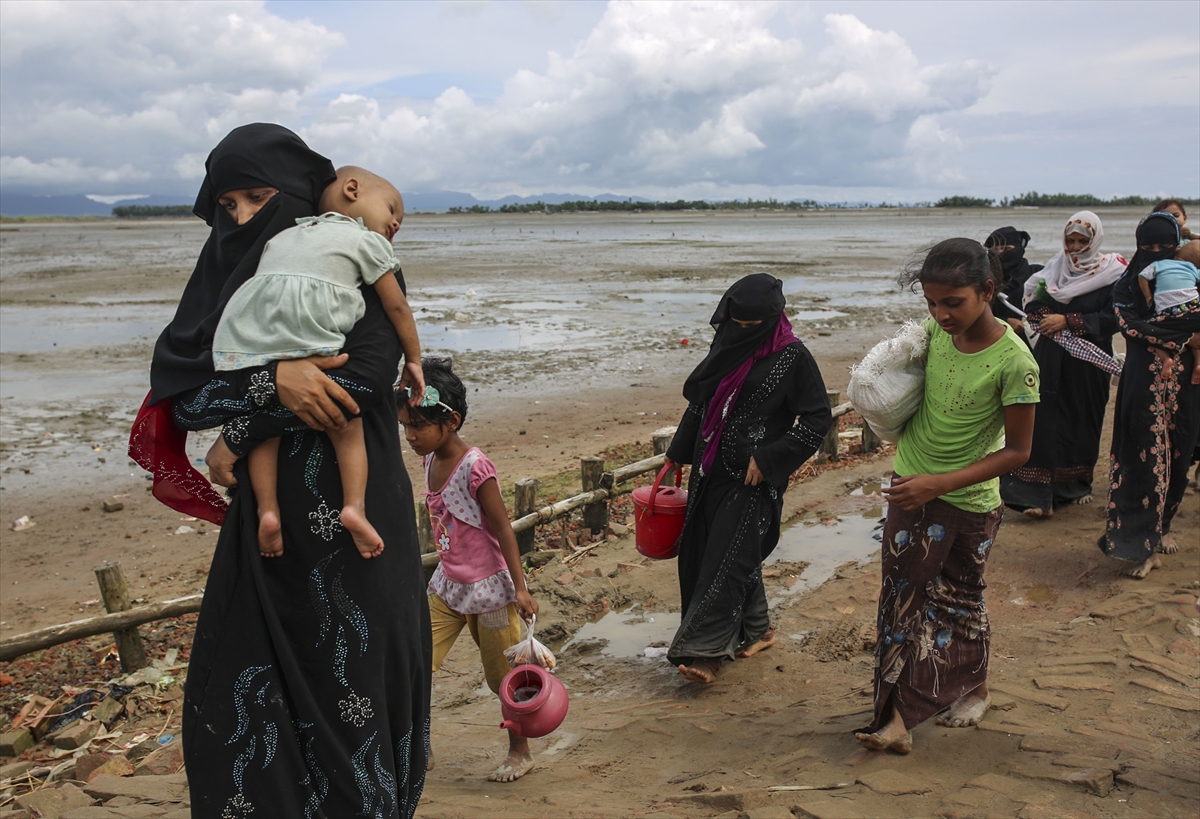
Hundreds of thousands of Rohingya fled their homes, with many seeking refuge in overcrowded refugee camps across the border.
The judgment examined atrocities in villages including Min Gyi, Chut Pyin and Maung Nu, alongside evidence of discriminatory laws, anti-Rohingya hate speech and systematic attacks on the community.
A central question before the judges was whether Myanmar’s actions demonstrated the specific intent required under international law to establish genocide, rather than other serious international crimes.
The majority concluded that the legal threshold for genocide had been met.
The judges stated in paragraph 468: “The Court is fully convinced that Myanmar committed acts falling under Article II (a), (b) and (d) of the Genocide Convention with an intent to destroy a substantial part of the Rohingya population of Myanmar.”
These provisions concern killing members of a protected group, causing serious bodily or mental harm, and imposing measures intended to prevent births.
The court also examined evidence of anti-Rohingya propaganda, the targeting of children and the destruction of villages subsequently occupied by other communities.
Myanmar ordered to allow Rohingya to return
Beyond compensation, the judgment requires Myanmar to facilitate the safe, voluntary and dignified return of displaced Rohingya to their homes, including those who fled abroad.
It also orders the return or replacement of property lost through Myanmar’s unlawful actions.
The judges found that Myanmar had breached its obligation to enact legislation implementing the Genocide Convention and had failed to preserve evidence relating to allegations of genocide, despite an earlier court order issued in January 2020.
However, the court did not uphold The Gambia’s separate claim that Myanmar had directly and publicly incited private individuals to commit genocide.
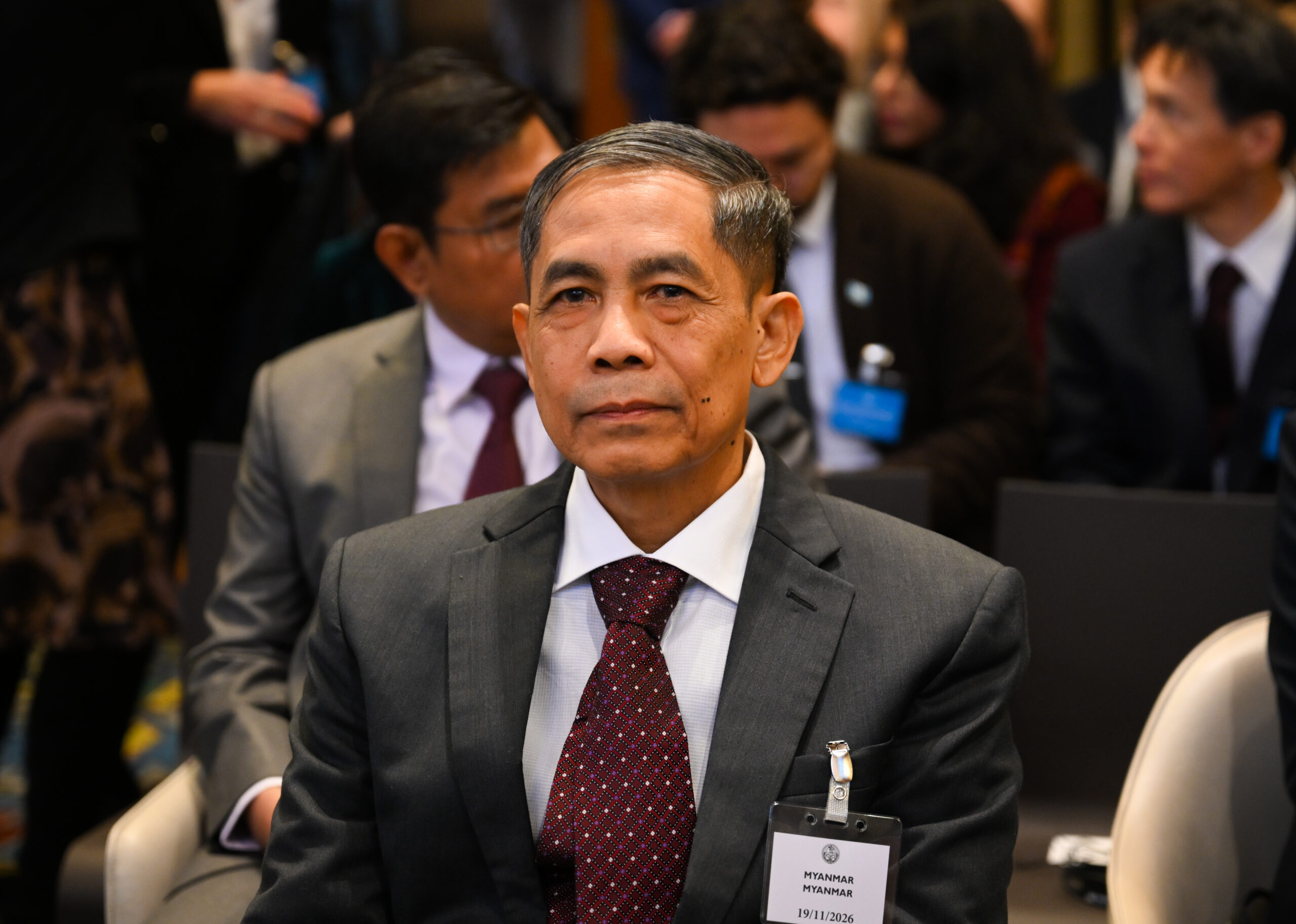
Myanmar defence
Myanmar denied committing genocide, arguing that its military operations in Rakhine State in 2017 were legitimate counter-terrorism measures in response to attacks by the Arakan Rohingya Salvation Army (ARSA), an armed Rohingya group.
It maintained that its security forces were attempting to combat militants and restore stability, rather than destroy the Rohingya Muslim population.
Myanmar also argued that even if its troops had committed unlawful killings or used excessive force, this did not necessarily establish genocidal intent.
It suggested that some civilian casualties could have resulted from fighting with militants or collateral damage, while the forced displacement of Rohingya civilians could be explained by objectives other than genocide, including ethnic cleansing or collective punishment, although Myanmar denied intending to carry out ethnic cleansing.
The country also challenged the credibility of evidence presented by UN investigators and maintained that it had investigated allegations of military wrongdoing and prosecuted some perpetrators.
However, the ICJ rejected Myanmar’s central defence, finding that the systematic killing of civilians, widespread sexual violence, attacks on children and destruction of Rohingya villages could not reasonably be explained as legitimate counter-terrorism operations.
A landmark case brought by The Gambia
The Gambia initiated proceedings in November 2019, arguing that Myanmar had violated its obligations under the Genocide Convention.
Although the atrocities occurred thousands of miles from West Africa, The Gambia was able to bring the case because the Convention establishes obligations owed by its member states collectively.
The judgment represents a major legal victory for the Rohingya and establishes Myanmar’s responsibility as a state for genocide under international law.
It does not itself impose criminal convictions on individual military commanders, but requires Myanmar to investigate and, where warranted, prosecute those responsible.
The decision also adds to the significance of the ICJ’s ongoing consideration of genocide allegations against Israel in the case brought by South Africa. Although the two cases concern different conflicts and evidence, both involve the interpretation and enforcement of the same 1948 Genocide Convention.