


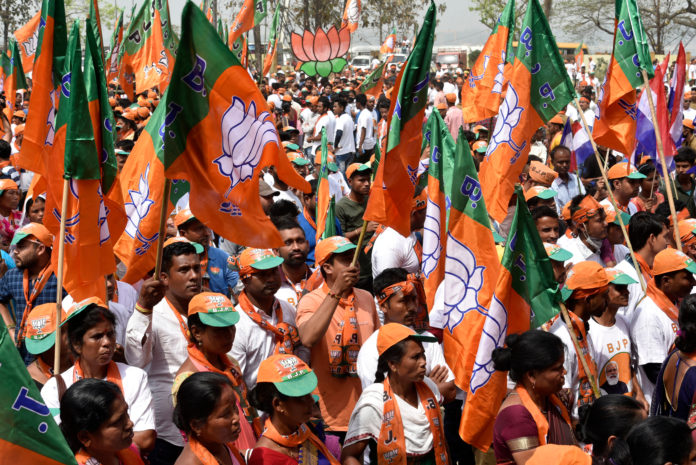
More than 130 million names have been removed from India’s electoral rolls in a sweeping revision that critics say risks excluding millions of eligible voters, with Muslim communities raising particular concerns that they will be disproportionately affected.
Millions of people across India are facing uncertainty over their right to vote after the Election Commission of India (ECI) launched a large-scale revision of the country’s electoral rolls, removing more than 130 million names and requiring voters to provide documents to establish their eligibility.
The exercise, known as the Special Intensive Revision (SIR), was ordered by the ECI as part of an effort to identify duplicate entries, deceased voters and people considered ineligible to remain on the electoral register.
But opposition parties, civil rights campaigners and critics of Prime Minister Narendra Modi’s government say the process has gone far beyond routine electoral housekeeping, warning that legitimate voters, particularly those from poorer and marginalised communities, risk being excluded from elections. Among the groups facing particular concern are India’s roughly 200 million Muslims, the country’s largest religious minority.
Critics argue that the revision has disproportionately affected Muslim voters, who are generally less likely to support Modi’s Hindu nationalist Bharatiya Janata Party (BJP).
The allegations have become increasingly politically charged ahead of further protests against Election Commission chief Gyanesh Kumar, with opposition parties demanding his resignation and questioning the independence of the electoral process.

Workers living away from their home villages have reportedly travelled hundreds of miles, often at considerable personal expense, to submit documents and challenge deletions.
Subscribe to our newsletter and stay updated on the latest news and updates from around the Muslim world!
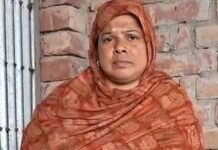
Ruksana Aamir, a resident of Atharobanki in West Bengal’s South 24 Parganas district, told The Telegraph that she travelled twice from Mumbai with her family after discovering that their names were missing from the electoral roll.
Her uncle’s family, she said, also found that all four members had been removed and were unable to vote.
“We live hand to mouth and most of our savings were spent on travelling to our villages to prevent our disenfranchisement,” Aamir said.
The difficulties have been particularly acute for migrant workers, who may live and work hundreds or even thousands of kilometres from the place where they are registered to vote.
There have also been cases of people reportedly being marked as dead despite being alive, forcing them to produce documents to challenge their removal.
For poorer households, elderly people and those without easy access to official paperwork, such requirements can create a significant barrier to exercising the right to vote.
Why Muslims are the target?
The political sensitivity surrounding the revision stems partly from India’s long-running debate over citizenship, migration and Muslim political representation in a Hindu majority India.
The BJP and its supporters have repeatedly raised concerns about undocumented migrants from neighbouring Bangladesh, alleging that some have fraudulently obtained places on India’s electoral rolls.
The Election Commission has similarly said the revision is intended to prevent ineligible or fraudulent voters, including illegal foreign migrants, from participating in elections.
Critics, however, say that efforts to identify undocumented migrants can place an unequal burden on India’s poorest communities, particularly Muslims, who may have greater difficulty producing historical documents proving residence or citizenship.
The controversy has also emerged against the backdrop of increasingly polarised political rhetoric around India’s Muslim population.
Modi and senior BJP leaders have faced repeated accusations of using anti-Muslim rhetoric during election campaigns. Critics have pointed to remarks describing Muslims as “infiltrators” and comments about their birth rates as examples of political messaging that portrays the country’s largest minority as a demographic or electoral threat.
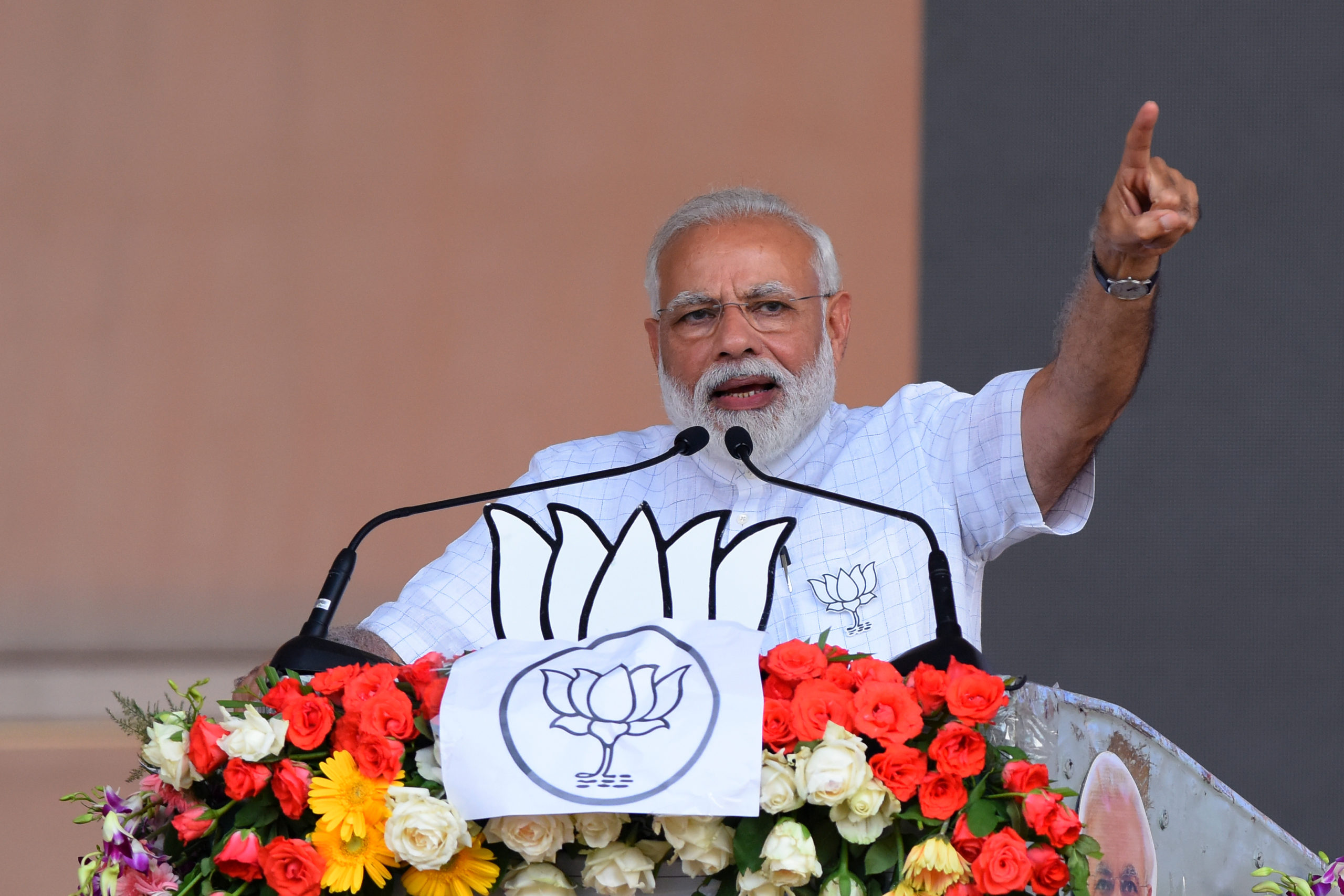
Amid the growing outrage, the BJP has rejected all accusations that its policies are designed to discriminate against Muslims.
India’s Election Commission is a constitutionally established body responsible for overseeing elections and maintaining electoral rolls. The institution has rejected allegations that the revision is politically motivated, insisting that its decisions are lawful and unanimous.
Opposition parties, however, accuse the commission of acting in a manner that benefits Modi and the BJP.
The Indian Express reported last month that important decisions concerning the large-scale revision may have been taken without the approval of two of the three election commissioners. The Election Commission has rejected the allegation and maintained that its decisions were unanimously taken and legally valid.
India’s Supreme Court has also intervened in the dispute.
The court has sought responses from the government, the Election Commission and Gyanesh Kumar over allegations concerning the decision-making process. It has also examined challenges to the legality of the voter-roll revision.
In May, the Supreme Court allowed the electoral exercise to proceed while stressing the need for safeguards to ensure that eligible voters are not excluded. Another hearing is expected next week.
Protests spread across India
The controversy has fuelled major street protests across the country.
On Tuesday, Congress leader Rahul Gandhi and hundreds of opposition MPs marched in New Delhi demanding Gyanesh Kumar’s resignation, an end to the current revision process and a return to paper ballots.
Police detained Rahul Gandhi and his sister, Congress leader Priyanka Gandhi Vadra, after intervening in the protest. Delhi Police said demonstrators were removed to maintain law and order and prevent the situation from escalating.
The demonstration came days after the Cockroach Janta Party, a Gen-Z political movement, organised protests in Mumbai and Delhi over the electoral revision and other political issues.
The group has called for another nationwide mobilisation on 10 October, with protesters expected to demand Kumar’s resignation.
The protests follow a summer of youth-led demonstrations across India, including the so-called “Cockroach Protests”, which focused on examination leaks, unemployment and the lack of opportunities facing young Indians.
For those whose names have disappeared from the electoral register, the immediate problem is not simply whether they can vote in a future election.
Millions of people who have challenged their removal are reportedly still waiting for their cases to be decided. Some were unable to vote in closely fought elections earlier this year while their appeals remained unresolved.
That has raised a fundamental question: what happens when a citizen has the right to vote in principle, but cannot exercise that right in practice?
India is the world’s largest democracy, with more than 900 million registered voters. Its elections routinely involve hundreds of millions of people.