


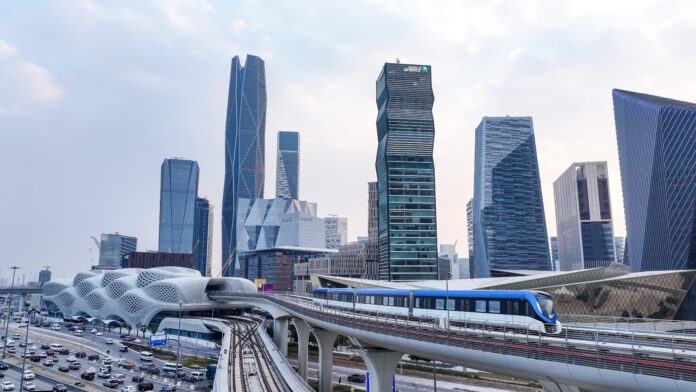
Aktar Ahmed, from Luton, reflects on his year in Riyadh, Saudi Arabia, revealing how life in a Muslim country brought unexpected loneliness and taught him valuable lessons about community, belonging and purpose.
When people speak about hijra, the focus is usually on the benefits of living in a Muslim country. They mention hearing the adhan, being surrounded by Muslims, and raising a family in an Islamic environment.
These were many of the reasons that motivated me to leave the UK and move to Riyadh.
I went with high hopes. I believed that being in a Muslim country would naturally strengthen my faith, increase my happiness, and make practising Islam easier.
In some ways, it did. But the greatest lesson I learned was not about living in a Muslim country. It was about loneliness, purpose, and understanding where Allah places us.
What I expected
Before moving, I imagined a strong sense of brotherhood and community. I imagined being surrounded by people who shared my values and outlook. I thought I would feel more connected to Islam and more at home.
Subscribe to our newsletter and stay updated on the latest news and updates from around the Muslim world!

I expected the move to solve many of the challenges Muslims face in the West. But the reality was more complex.
The greatest challenge I faced was not language, culture, paperwork, or even work. It was loneliness.
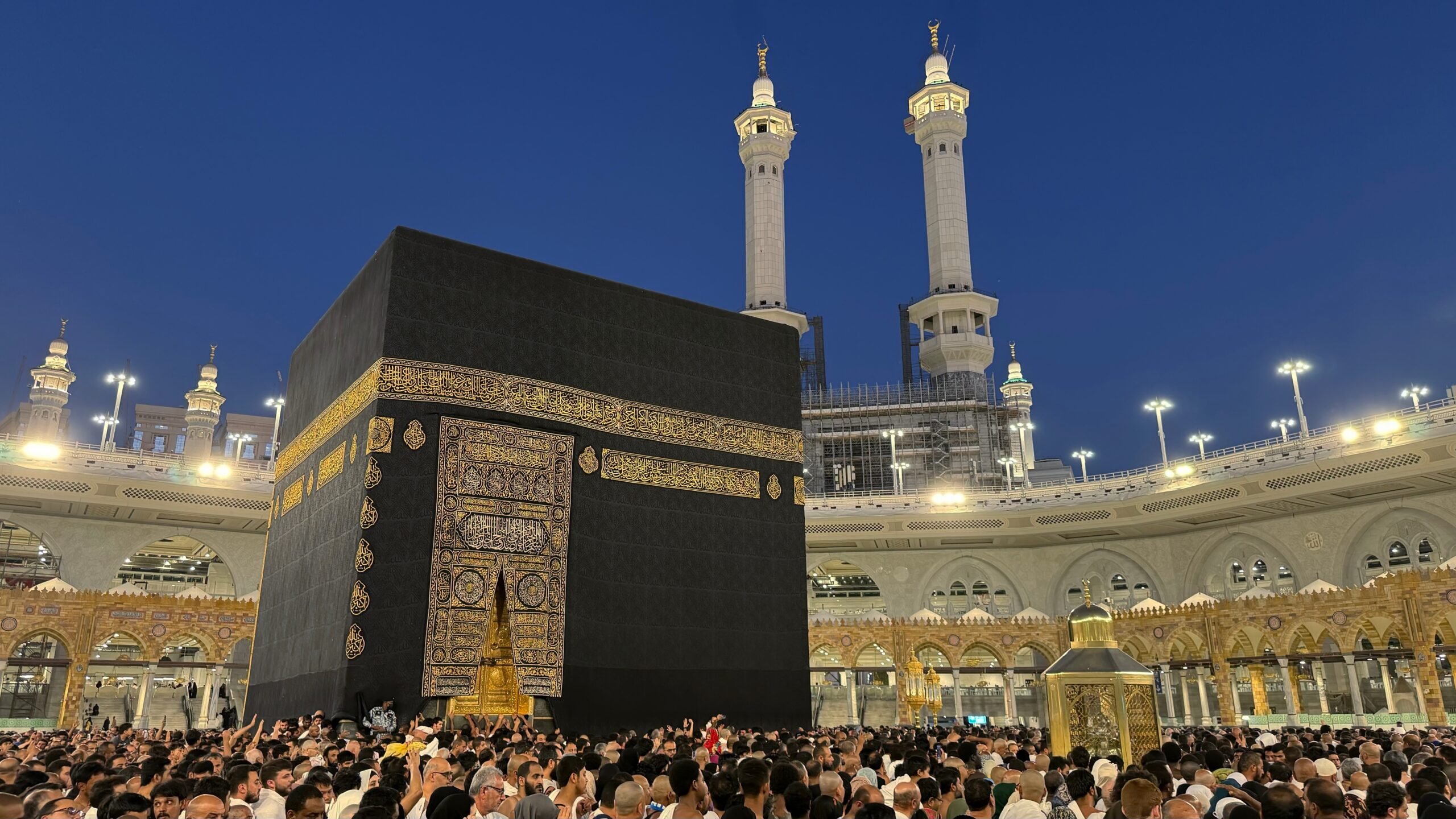
I was surrounded by millions of people. The masjids were full, and the adhan echoed across the city, yet I often felt more alone than I had ever felt in the UK.
I missed family. I missed old friends. I missed the people who knew me, the ones I could call without explanation, the ones who shared my history, my struggles, and my journey.
I learned that being surrounded by Muslims is not the same as having a community. You can live in a Muslim country and still feel profoundly alone.
Losing a sense of purpose
The loneliness deepened when I realised I had left behind more than family and friends. I had left behind a role.
In the UK, much of my life revolved around serving the Muslim community. I was involved in da’wah, volunteering, helping at the masjid, supporting events, and contributing to community projects.
These activities weren’t just things I did; they had become part of my identity. They gave me purpose.
When I arrived in Riyadh, I expected those opportunities to increase. Instead, I found that things worked very differently.
Masjids functioned without volunteers in the way I was used to. Public da’wah was limited. Community involvement was structured differently.
I wasn’t a contributor to a growing community. I was simply another person in a city of millions.
For the first time, I had to ask myself: Who am I when my usual opportunities to serve are taken away?
I realised that part of my loneliness came from no longer feeling useful. I missed not only the people of the UK but also the ability to contribute to the community around me.
The workplace experience
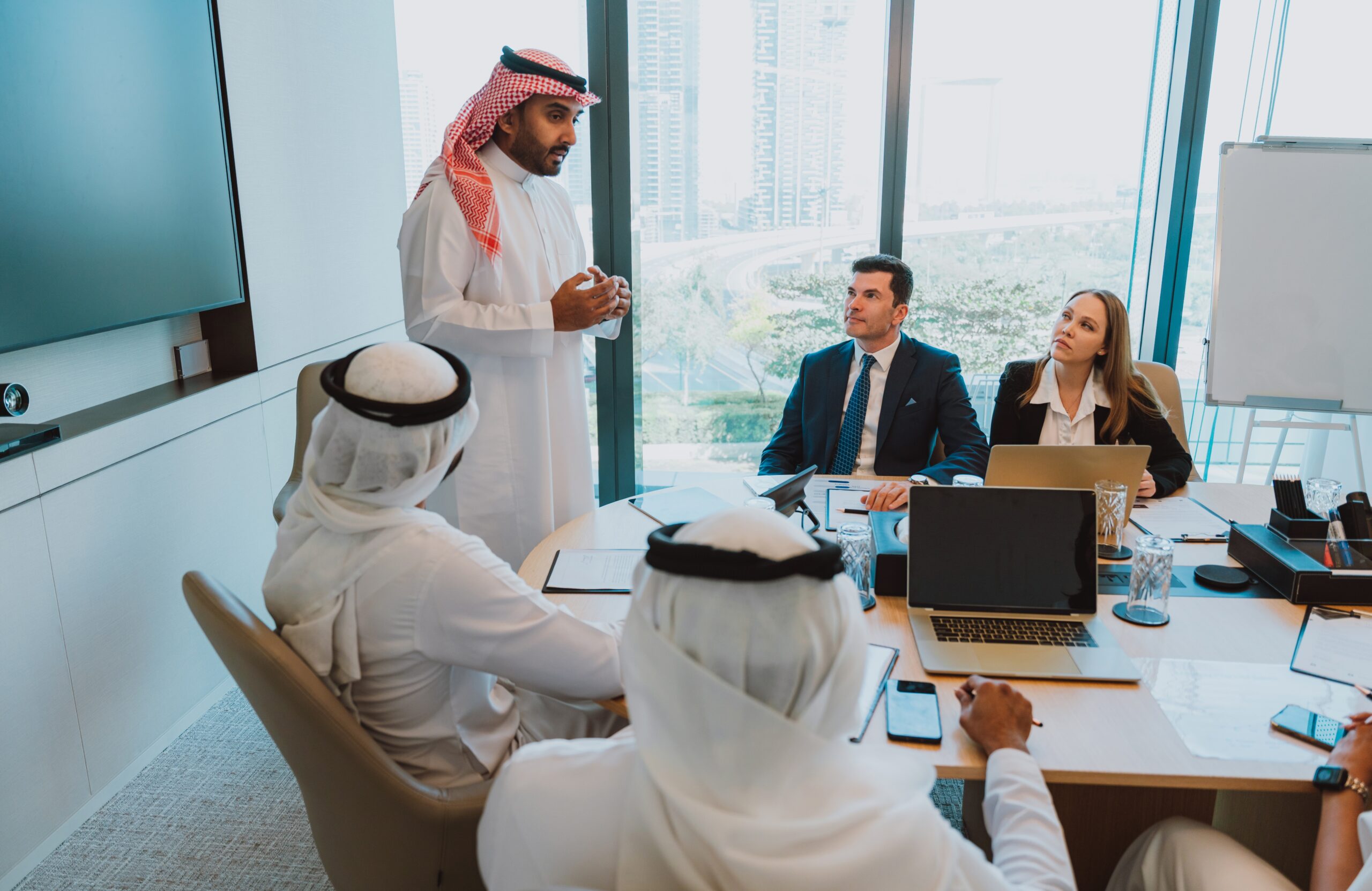
Another unexpected challenge was the workplace culture.
Coming from the UK, I was used to environments that, despite their flaws, emphasised development, coaching, mentorship, and helping employees progress. My experience in Riyadh felt very different.
The culture seemed more disciplinary than developmental. Hierarchy and authority were emphasised more than growth. Relationships and personal connections often played a larger role in career progression than performance alone.
Whether this was entirely true or simply my experience, it affected how connected I felt to my work.
In the UK, hard work and initiative often opened doors. In Riyadh, I sometimes felt that who you knew mattered more than what you did.
This added to my sense of isolation because work was not providing the fulfilment I had hoped for.
The spiritual lessons
Despite the difficulties, the experience taught me valuable lessons.
- Hijra is not a magic solution. Changing countries does not automatically solve spiritual struggles.
- Community is a blessing we often take for granted. Friends, volunteers, local masjids, and da’wah organisations are gifts we rarely appreciate until they are gone.
- Purpose is one of Allah’s greatest gifts. Many of us focus on finding the right city, job, or environment, but perhaps the more important question is: Where can I serve Allah and benefit others?
Returning to the UK
After a year, I returned to the UK. Some may see that as a failed hijra. I do not. I see it as an education.
It taught me gratitude for family, gratitude for friendship, gratitude for community service, and gratitude for the unique opportunities Muslims have in the UK to serve Islam through dawah, volunteering, community projects, and supporting others.
When I left the UK, I thought the most important question was: What is the best country for a Muslim to live in?
When I returned, I realised a more important question was: Where can I best worship Allah and serve His religion?
My year in Riyadh taught me that loneliness can exist even in a Muslim society. It taught me that purpose is just as important as environment, and it taught me that the ability to serve your community is one of Allah’s greatest blessings.
Sometimes hijra is not only about moving from one place to another. Sometimes it’s about discovering who you are when everything familiar is taken away.
This experience has not put me off hijra, but it has taught me how to better prepare for a future attempt, insha’ Allah.
Akhtar Ahmed recounted this experience at a Hijra Expo event in Luton yesterday. For more information see here.