


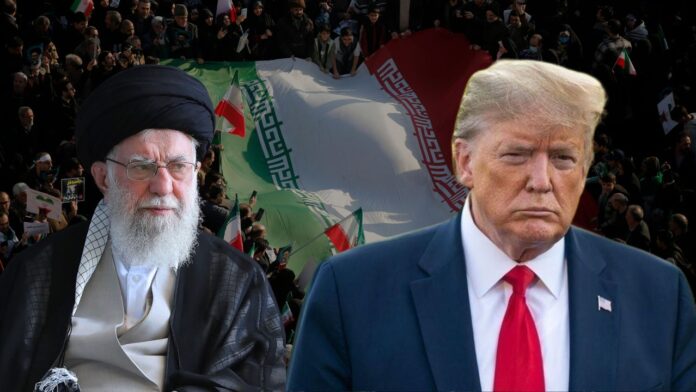
Journalist Abdel Bari Atwan says if the United States embarks on a full-scale regime change war with Iran, it will be facing a far more dangerous enemy than it has ever encountered in the Middle East.
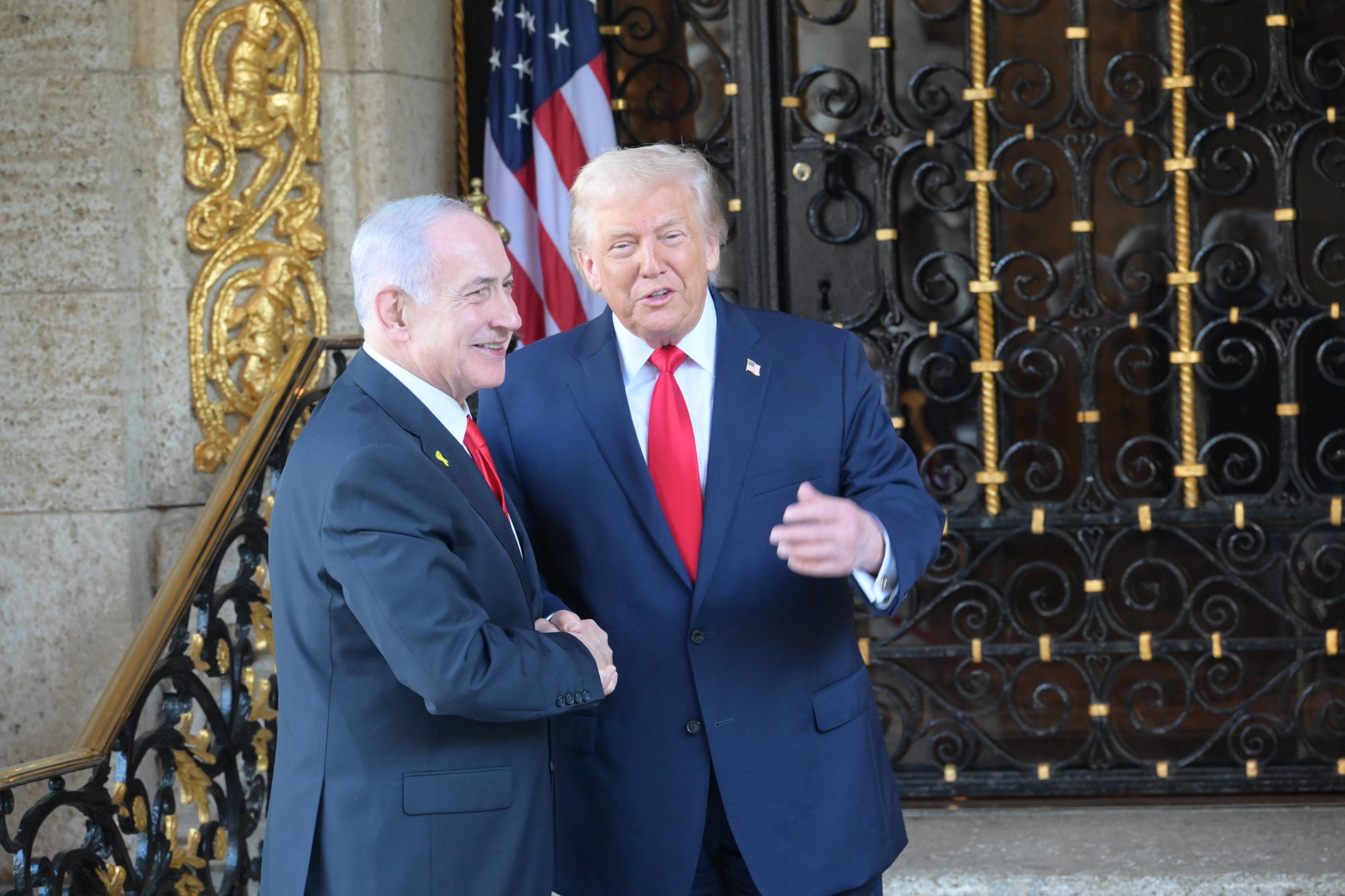
There are growing indications that a decision taken a few weeks ago in Florida by U.S. President Donald Trump and Israeli Prime Minister Benjamin Netanyahu has moved from the planning stage to execution. All signs suggest that a joint American-Israeli military confrontation with Iran may now be imminent.
According to emerging assessments, a recent phone call between Netanyahu and U.S. Secretary of State Marco Rubio effectively set a “zero hour” for action. This was followed by preparations for a nationwide state of emergency and a high-level Israeli war cabinet meeting scheduled for Sunday evening. Several countries have reportedly closed their embassies in Tel Aviv and evacuated diplomatic staff, a rare step that reflects the seriousness of the situation.
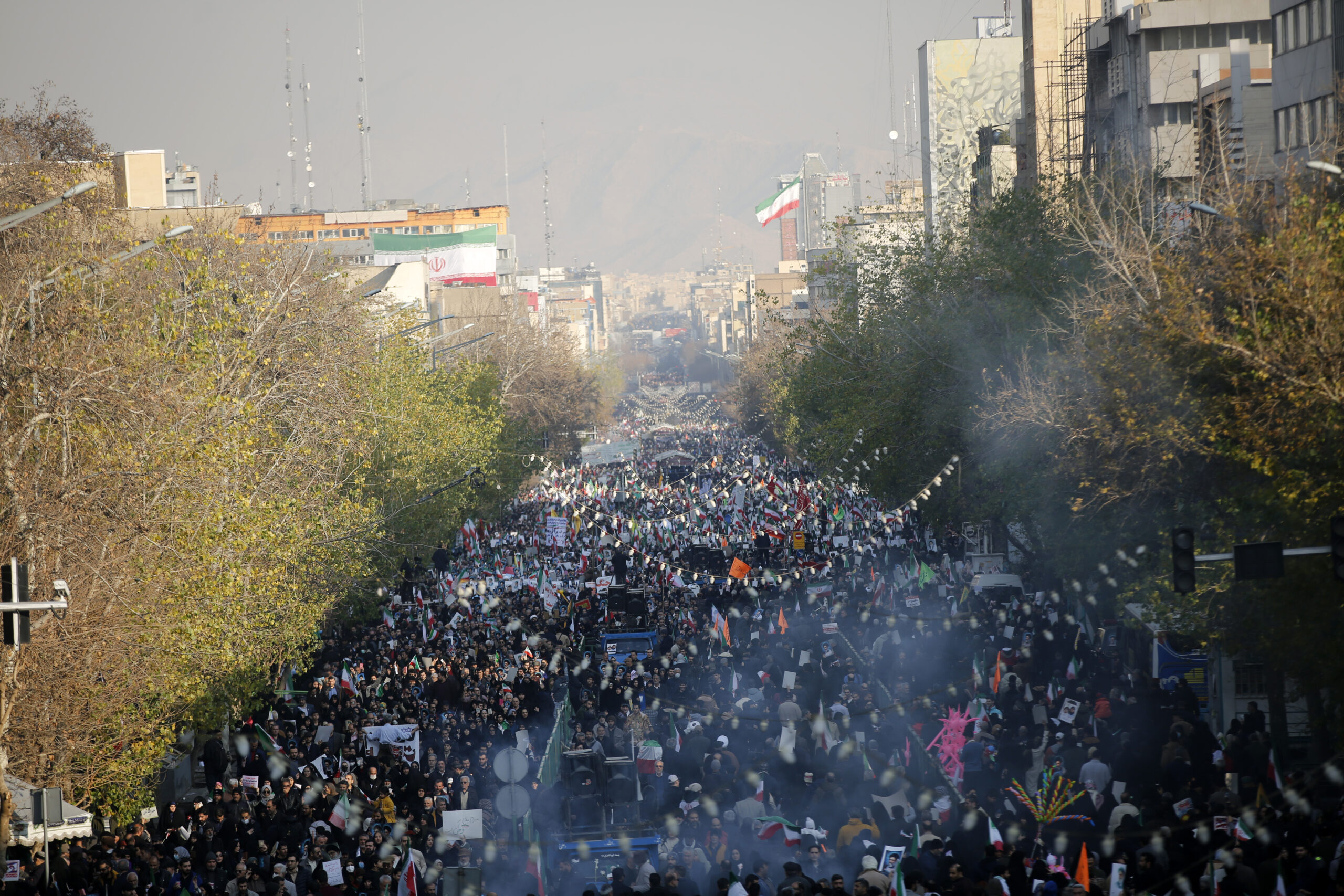
The justification being advanced for a potential attack centres on protests that have spread across major Iranian cities over the past two weeks. President Trump has openly declared his readiness to support the demonstrators, reaffirming that both the United States and Israel are backing them.
Israeli intelligence services, including the Mossad, have previously acknowledged the presence of their operatives inside Iran. During earlier hostilities, Israel itself claimed that internal bases had been established from which drones were launched to strike Iranian targets and carry out assassination operations.

Yet these protests represent only a small fraction of Iranian society. Contrary to Israeli and American expectations, the majority of Iranians rallied behind their state during the recent 12-day confrontation, refusing Netanyahu’s calls to rise up against the regime. This response reportedly shocked and disappointed the planners of the conflict.
Tehran’s options
Subscribe to our newsletter and stay updated on the latest news and updates from around the Muslim world!
The Iranian government has adopted a restrained and pragmatic approach, recognising public suffering caused by inflation and economic hardship while providing immediate support to demonstrators. Crucially, it distinguished between genuine protest and attempts to exploit unrest in the service of foreign interests. Security forces acted with restraint, resulting in relatively limited casualties, a significant portion of whom were security personnel.
Tehran has nonetheless drawn clear red lines. Iranian Parliament Speaker Mohammad Baqer Qalibaf publicly warned that any U.S. attack on Iran would make both Israel and American interests legitimate targets. In such a scenario, Israel could face hundreds or even thousands of precision missiles, while U.S. military bases across the Middle East —home to more than 70,000 American soldiers — would also be exposed.
If President Trump initiates this conflict, it could ignite the most dangerous war the region has ever witnessed. Beyond Iran’s direct response, dormant networks in Europe and the United States could be activated. Iranian Foreign Minister Abbas Araghchi’s recent visit to Beirut is widely interpreted as part of consultations with Hezbollah regarding a potential Lebanese front.
Iran’s military leadership has previously stated that less than 30 per cent of its capabilities were used during last year’s conflict. Retired Israeli General Yitzhak Brick recently confirmed in Haaretz that Iran now produces thousands of missiles each month and has fully replenished its arsenal.
In a future war, Iran could reportedly launch a massive missile barrage on the first day alone, overwhelming Israeli and even American missile defence systems. Unlike previous engagements, civilian centres — including Greater Tel Aviv — may not be spared.
Iran is not Iraq, Afghanistan, or Venezuela. It is a major regional power with advanced uranium enrichment, a sophisticated domestic missile industry, and the potential backing of allies such as Russia, China and North Korea. Israel, by contrast, may not withstand a prolonged confrontation, while Iran — more than seventy-five times its size — is likely to endure.
Should Trump proceed, the consequences could be catastrophic. It would be an Israeli-driven war fought at American expense, with severe implications for U.S. credibility and potentially disastrous political consequences for Trump himself. Meanwhile, the Iranian state would almost certainly survive.
The United States has exited every Middle Eastern war in retreat. Afghanistan and Iraq remain stark reminders. A war with Iran would be far more dangerous, far more costly, and far less controllable. History suggests that once such a conflict begins, it may not end on terms chosen in Washington or Tel Aviv.
The age of easy wars is over.