



Australian Prime Minister Anthony Albanese has announced that tougher hate speech laws will be implemented after a mass shooting at Bondi Beach killed 15 people.
Albanese announced a list of legislative changes after a meeting of the National Security Committee, according to the Australian Broadcasting Corporation.
Changes include new federal offences for “aggravated hate speech offense for preachers and leaders who promote violence,” and increased penalties for “hate speech promoting violence.”
Others include “making hate an aggravating factor in sentencing crimes for online threats and harassment,” developing a regime for listing organisations “whose leaders engage in hate speech promoting violence or racial hatred,” and for “serious vilification based on race and or advocating racial supremacy.”
The home affairs minister will also have new powers to cancel or reject visas, while a 12-month task force will have more oversight on the education system.

“Governments aren’t perfect, I’m not perfect,” he told reporters in Canberra. “I have done my best to respond,” he said.
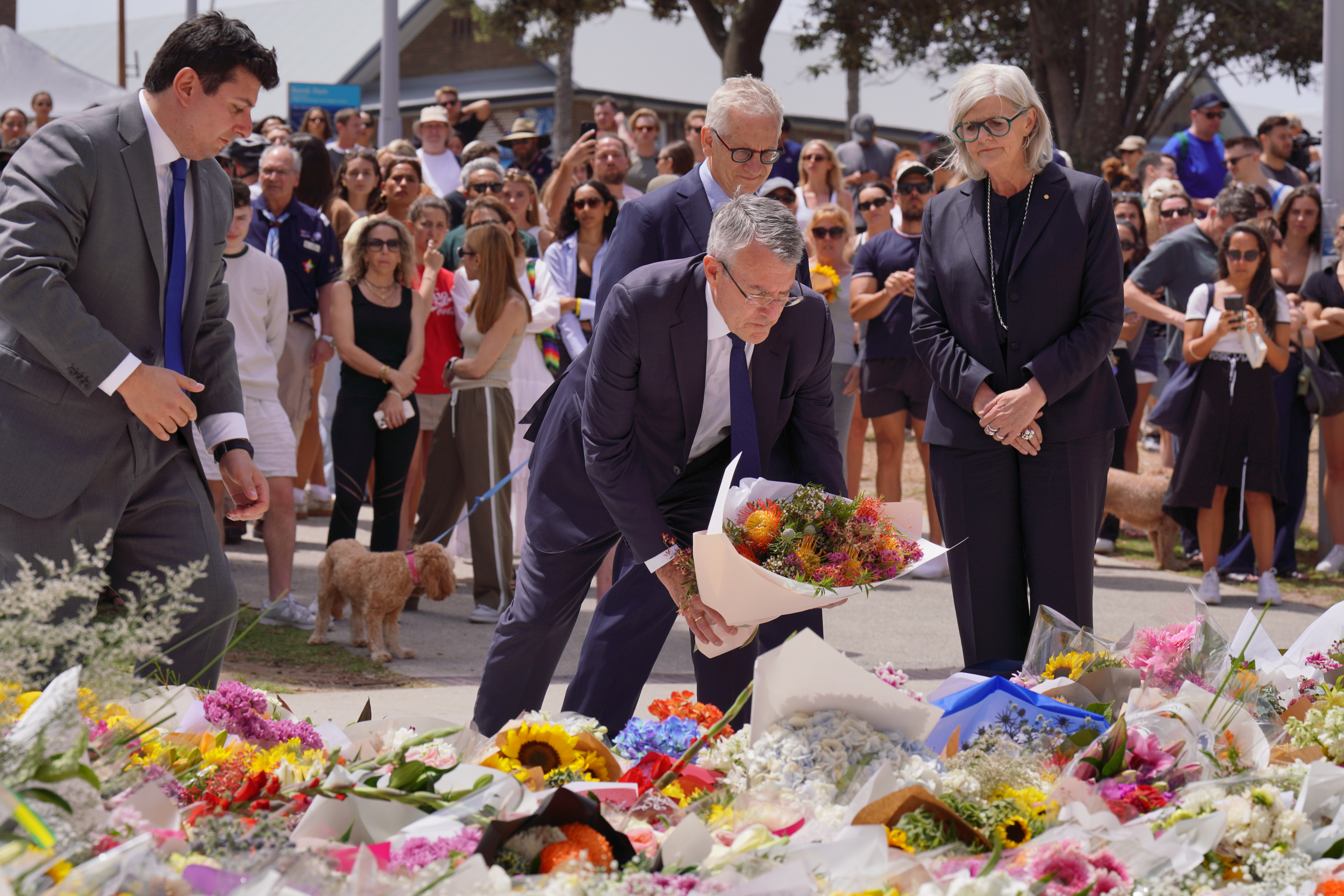
“Anyone in this position would regret not doing more, and any inadequacies which are there,” he said, “but what we need to do is to move forward.”
Subscribe to our newsletter and stay updated on the latest news and updates from around the Muslim world!
Following the recent attack at Bondi Beach, Australian Muslims have told 5Pillars that the community is feeling a strong mix of emotions dominated by anxiety, vigilance and a strong sense of vulnerability.
Many express deep concern about a potential backlash, including heightened Islamophobia and hate incidents targeting visibly Muslim individuals, such as women wearing hijab.
Community members have been urged to stay alert, report any suspicious or hateful behaviour, and document interactions with authorities.
A notable point of unease is the anticipation of police raids in the coming days, even as police have reassured leaders of their commitment to protecting Muslim institutions and addressing Islamophobic threats.
There is widespread fear that Muslims will once again be collectively scapegoated — blamed for the actions of individuals in a way that serves political optics, as has happened in the past. This has prompted calls to reject any sense of collective guilt and to avoid self-censorship, particularly on issues like the situation in Gaza.
But despite revulsion at the loss of life in the attack, there is reluctance to issue blanket community condemnations, with some arguing that such statements have historically been exploited to justify broader surveillance, restrictions on free speech, or punitive policies against Muslims.
Amid these tensions, the community is being encouraged to remain united internally, resist division, and continue advocating unapologetically for their principles.