


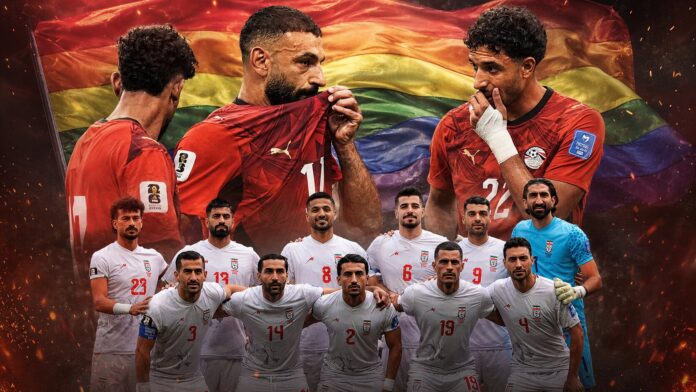
The Iranian and Egyptian national football teams have issued formal objections to planned ceremonies promoting homosexuality and displays of rainbow flags scheduled to take place during their World Cup match on Saturday.
The Muslim nations of Iran and Egypt are scheduled to play their first-ever World Cup match against each other on Saturday, but a dispute over FIFA’s decision to host LGBTQ ceremonies and celebrations has overshadowed the upcoming game.
In both Iran and Egypt, homosexuality is outlawed and treated as a criminal offence.
The two Muslim countries have decided to protest the decision, claiming that displays supporting and endorsing homosexuality clash with their religious and cultural values.
The game between the nations is scheduled for June 26 at Lumen Field in Seattle, which falls on the same date as Seattle’s annual Pride weekend.

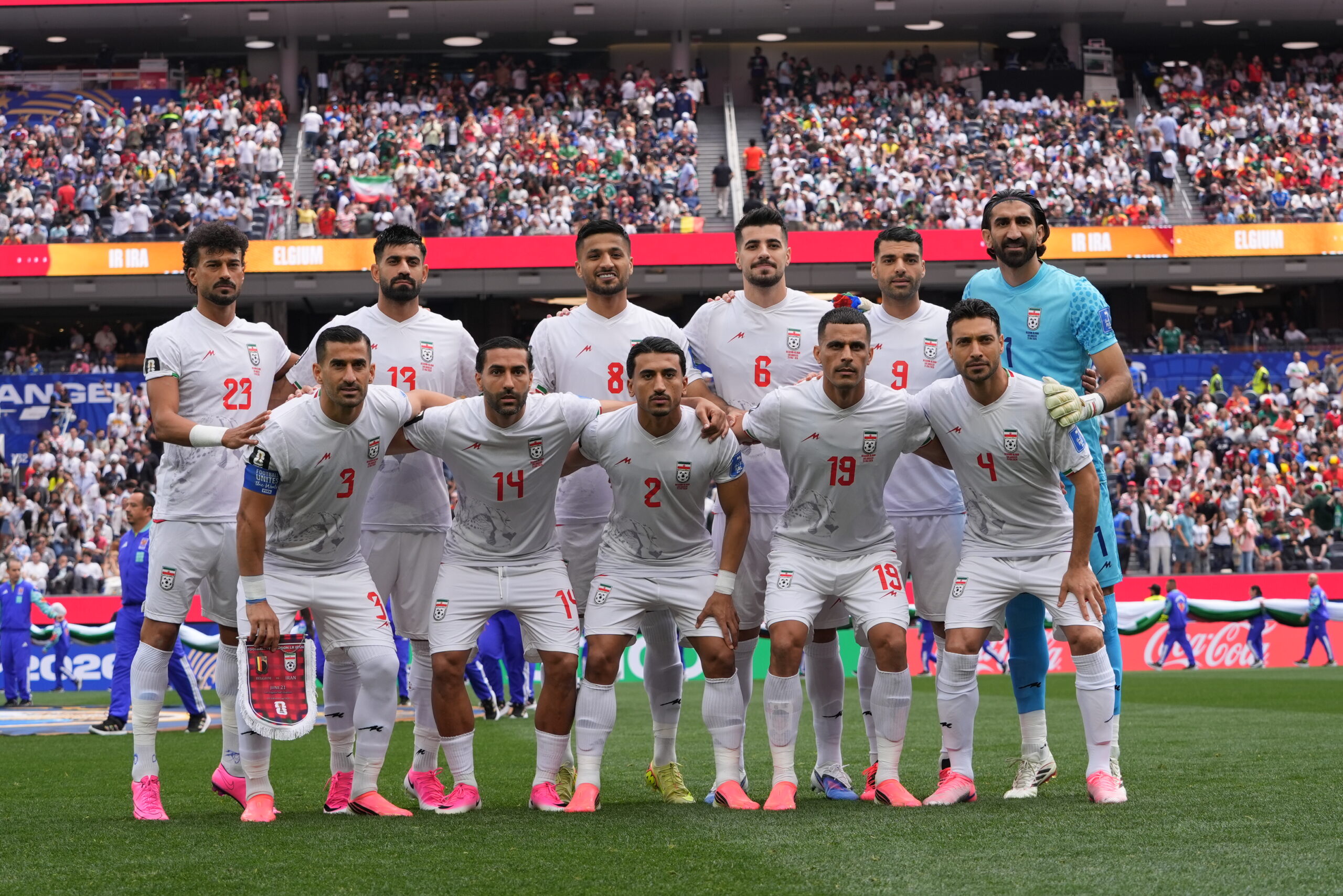
Iran’s Football Federation chief, Mehdi Taj, has said that the federation has formally objected to Pride and LGBTQ displays since the World Cup draw was announced in December 2025.
Taj emphasised Iran’s position clearly and said he had conveyed the country’s stance on LGBTQ issues and homosexuality in numerous meetings with FIFA.
Subscribe to our newsletter and stay updated on the latest news and updates from around the Muslim world!
( Tayfun Coşkun – Anadolu Agency )
According to Taj, FIFA had assured Tehran that its concerns would be addressed and that appropriate measures would be taken to prevent any controversy, Iran’s Mehr News Agency reported.
Iranian officials said that FIFA had promised to cancel any plans requiring players to wear rainbow armbands or allowing related flags to be displayed or brought into the stadium.
Egyptian officials raise concerns
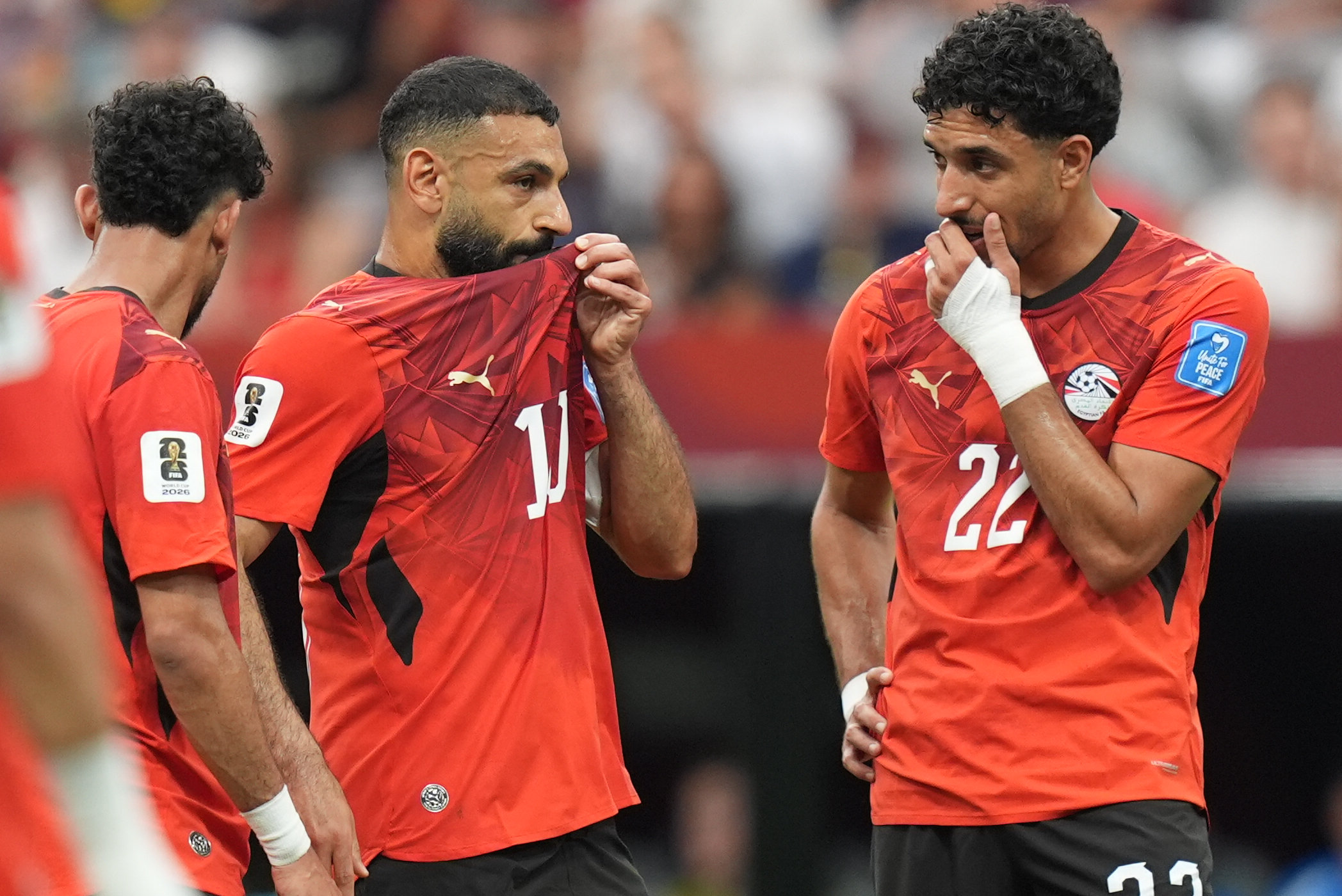
The Egyptian Football Association (EFA) has also sent an official letter to FIFA rejecting any activities promoting homosexuality during the Egypt-Iran World Cup match.
“We completely reject such activities, which directly contradict the cultural, religious, and social values of the region, particularly in Arab and Muslim societies,” the EFA said in its letter to FIFA Secretary General Mattias Grafström.
Continuing the letter, it called on FIFA “to avoid activities that could incite cultural and religious sensitivities between fans”, as the planned activities “are culturally and religiously incompatible with the traditions of both countries.”
FIFA has responded, claiming that the planned activities and ceremonies were part of plans by Seattle’s local World Cup committee, not the global football body.
“I must clarify that there will be no ‘Pride Match’ at the World Cup,” FIFA President Gianni Infantino told Swiss magazine Die Weltwoche in January.
“There will be a FIFA World Cup match in Seattle and, on the same day, events organised by external organisations will be taking place in the city. But that has nothing to do with the match itself.”
Egypt is currently ranked first in Group G with four points, while Iran has two points in second place. Belgium is third, also with two points, while New Zealand sits at the bottom of the group.
Both Egypt and Iran have good chances of advancing to the knockout stages.
Controversies over LGBTQ in football
This is not the first time controversy has arisen over Muslim nations and the World Cup regarding LGBTQ issues and homosexuality.
At the last World Cup tournament in 2022, hosted in the Muslim country of Qatar, FIFA threatened to issue yellow cards to any captains who wore armbands bearing the slogan “OneLove”, citing its rules against political slogans.
As a result, Qatar was widely criticised for its crackdown on symbols or displays of support for LGBTQ issues and homosexuality, as the country has strict anti-LGBTQ laws, with punishments ranging from seven years in prison to much more severe sentences.