



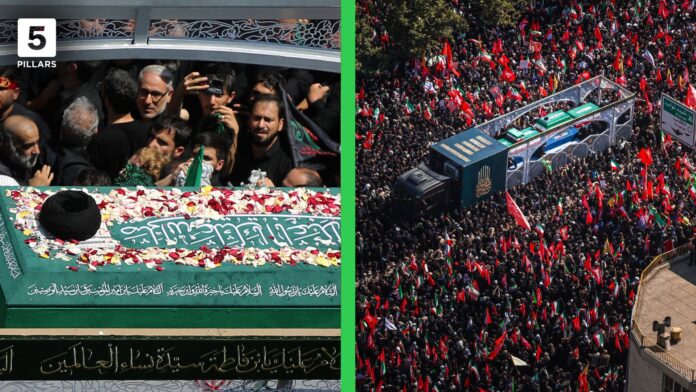
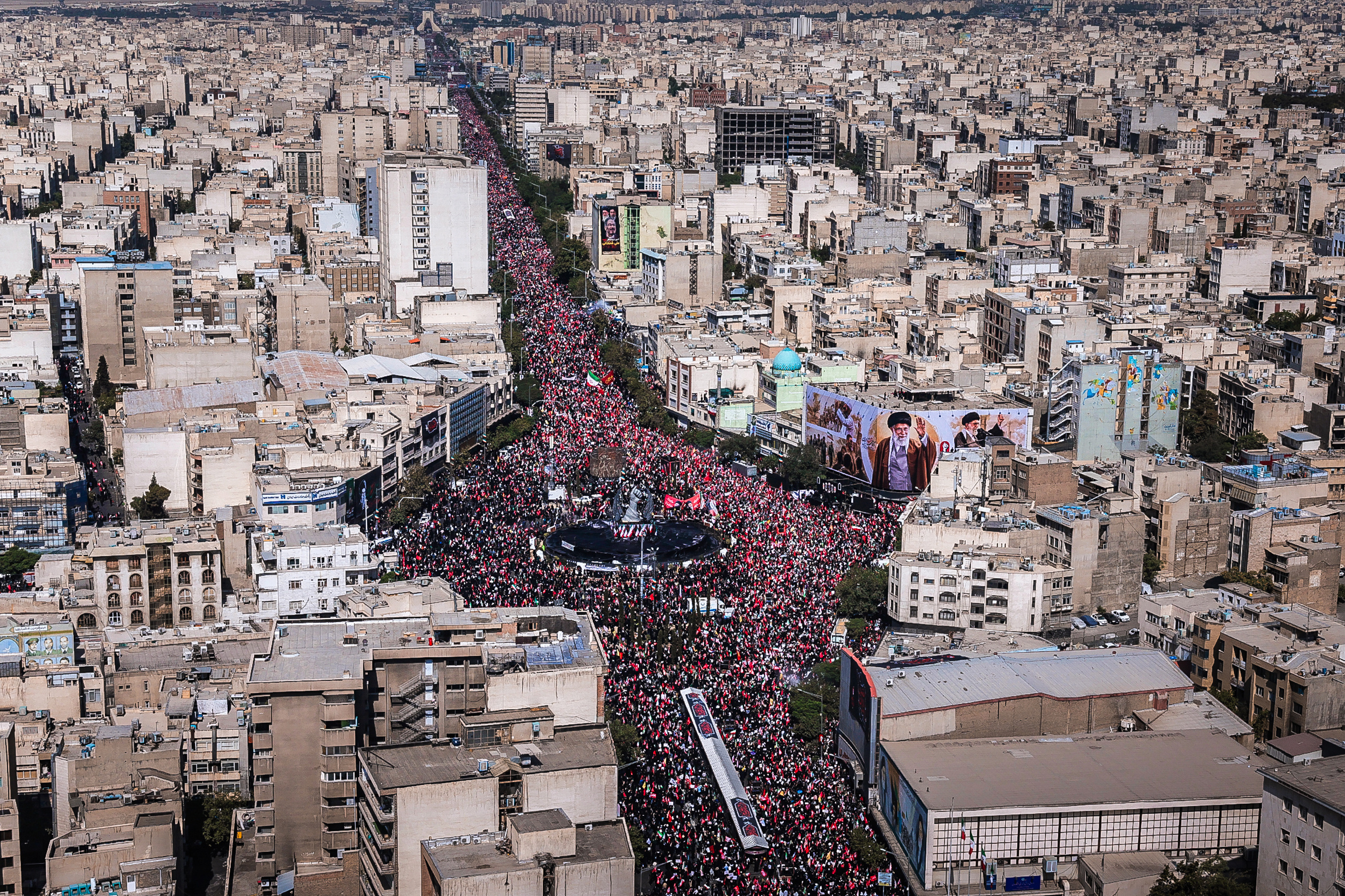
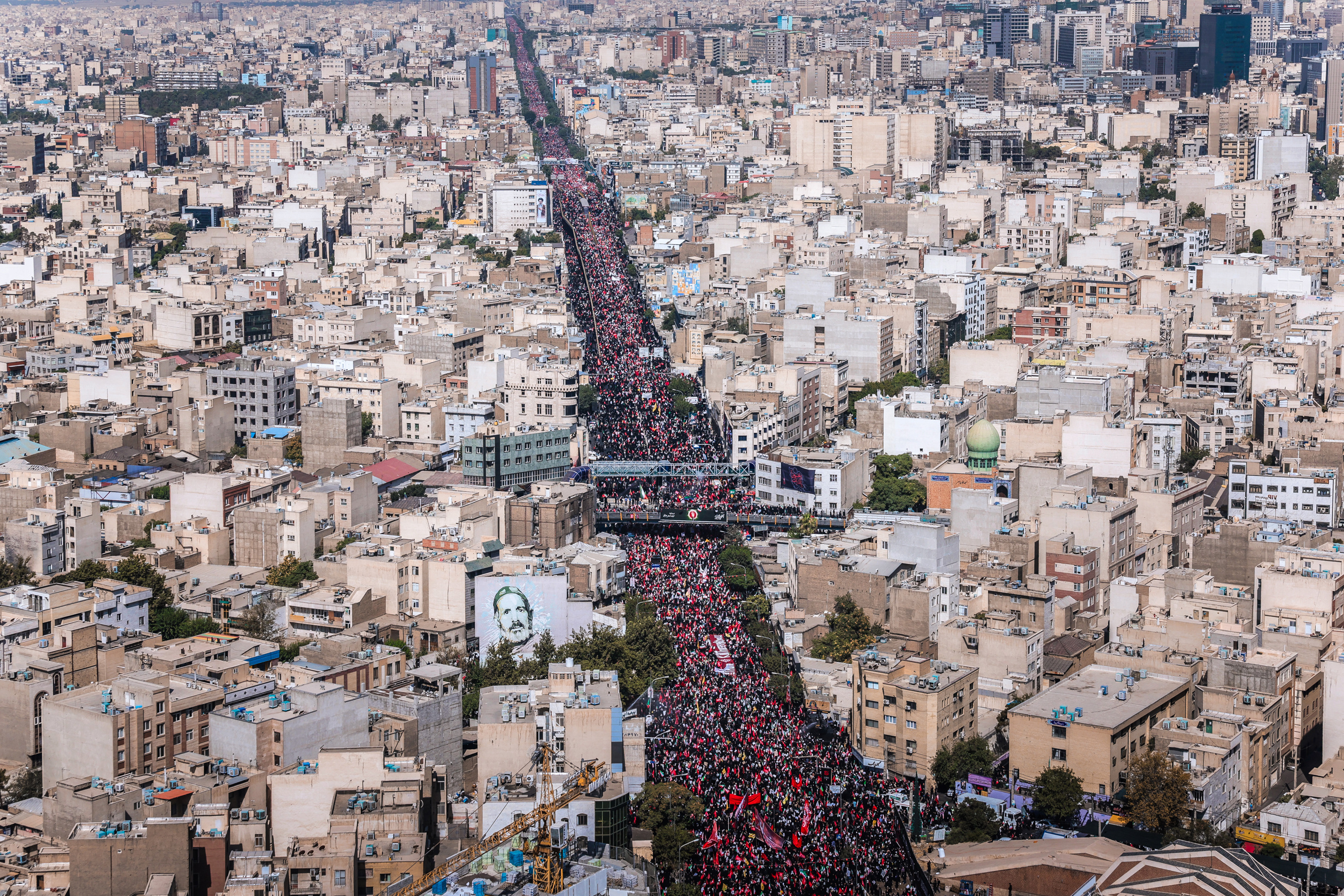
Millions of people have gathered in the streets of Tehran, Iran, to attend the farewell ceremony for Iran’s former Supreme Leader Ali Khamenei, who was killed in the attacks carried out by the United States and Israel.
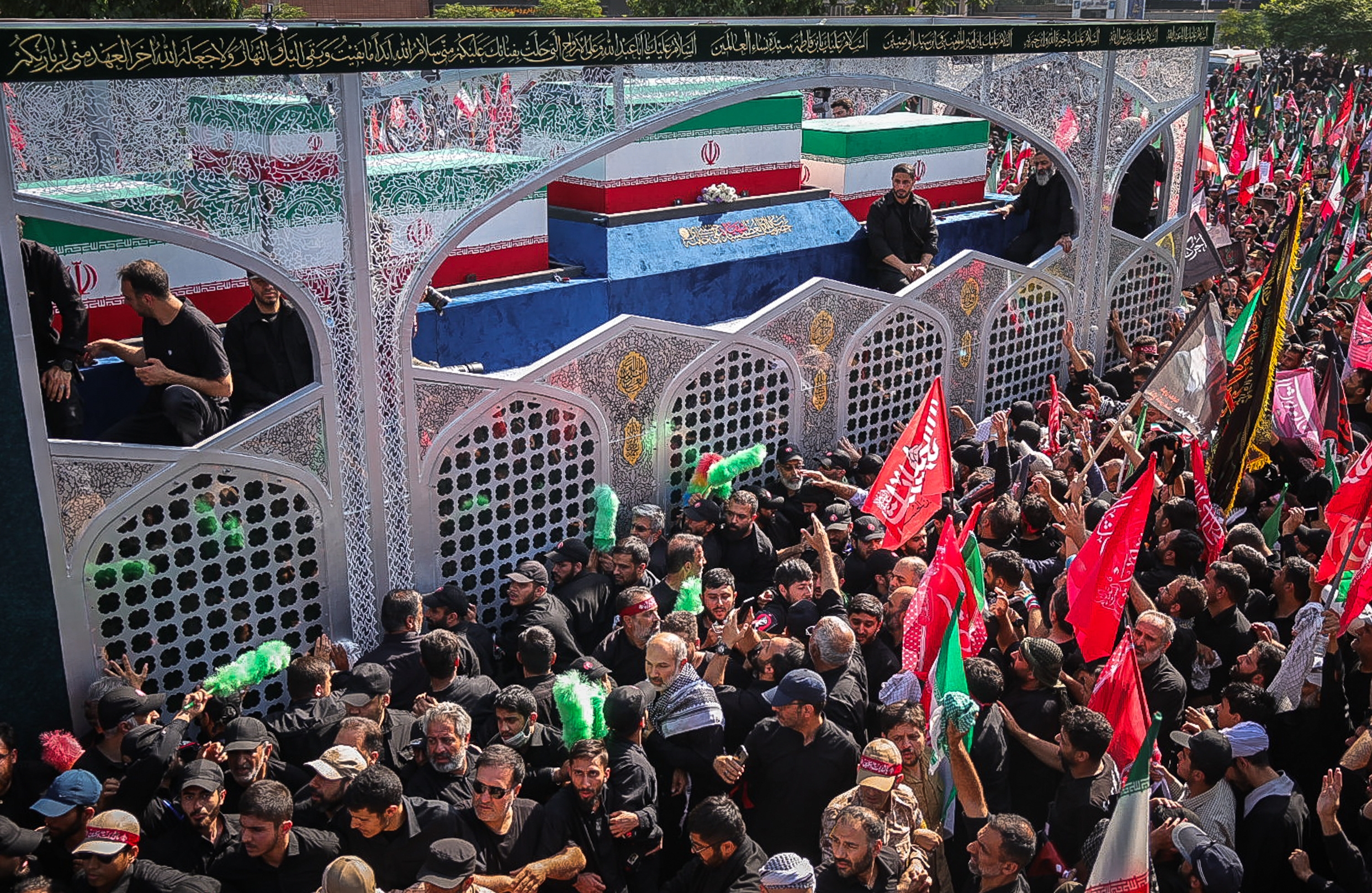
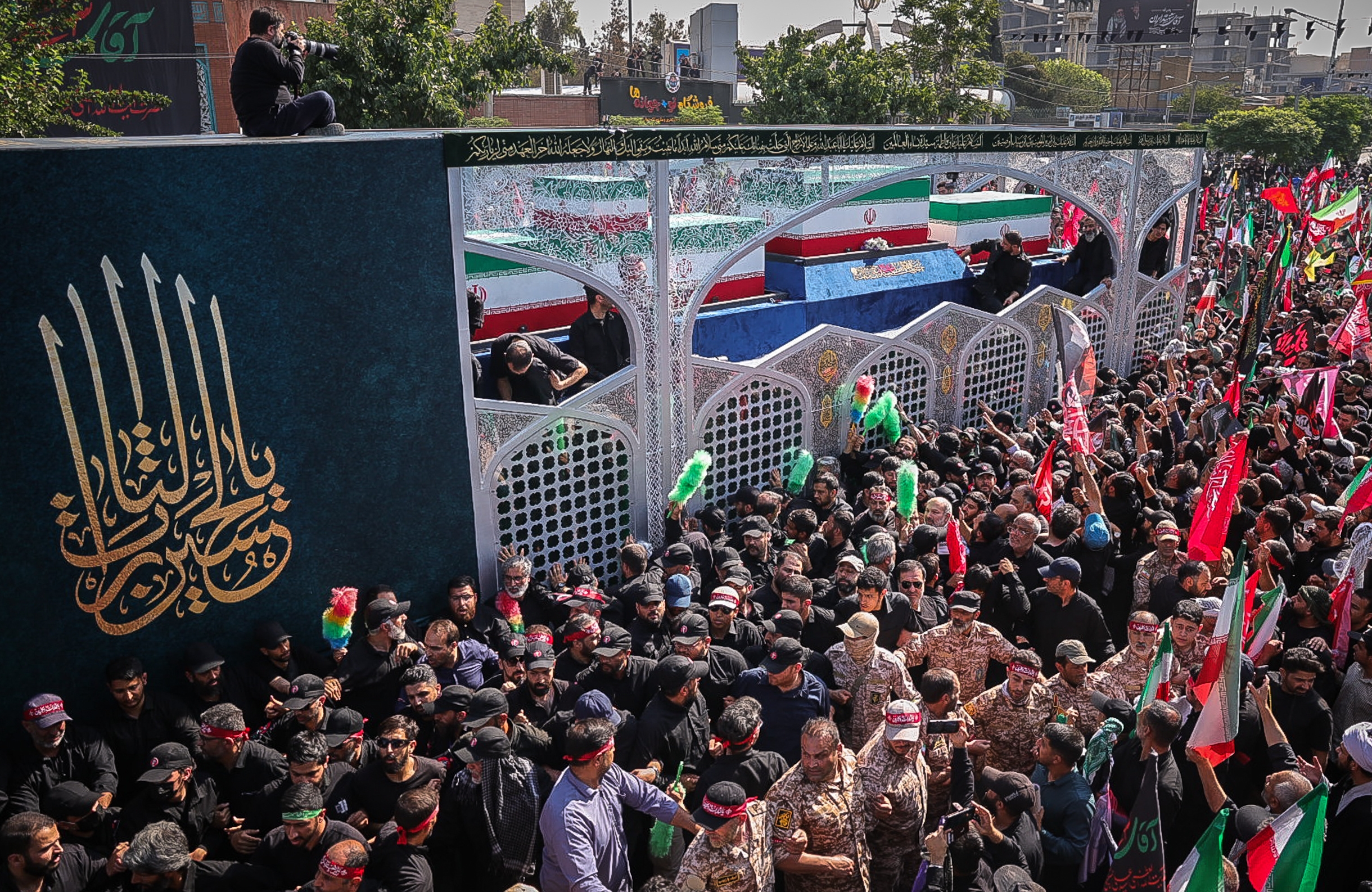
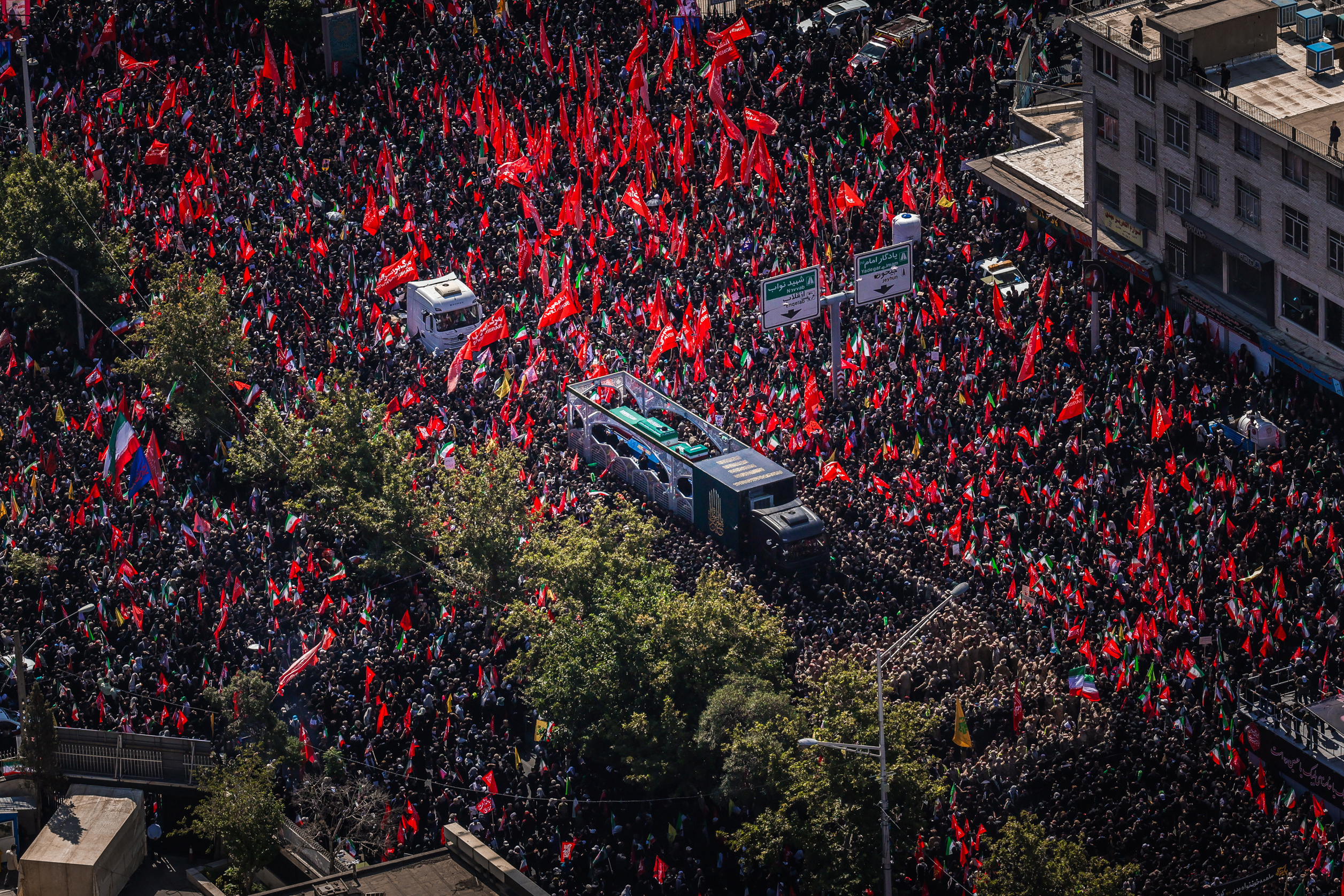
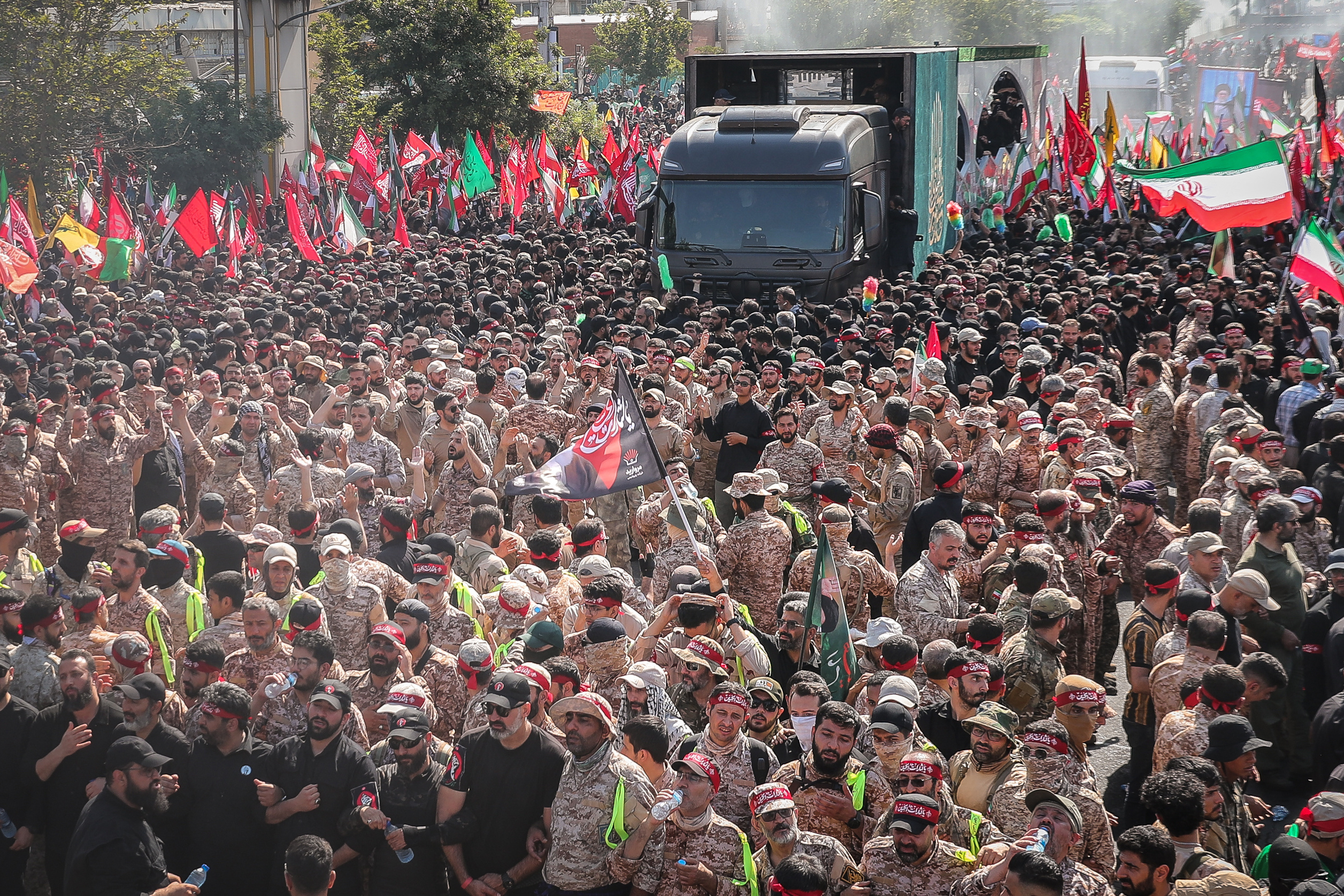
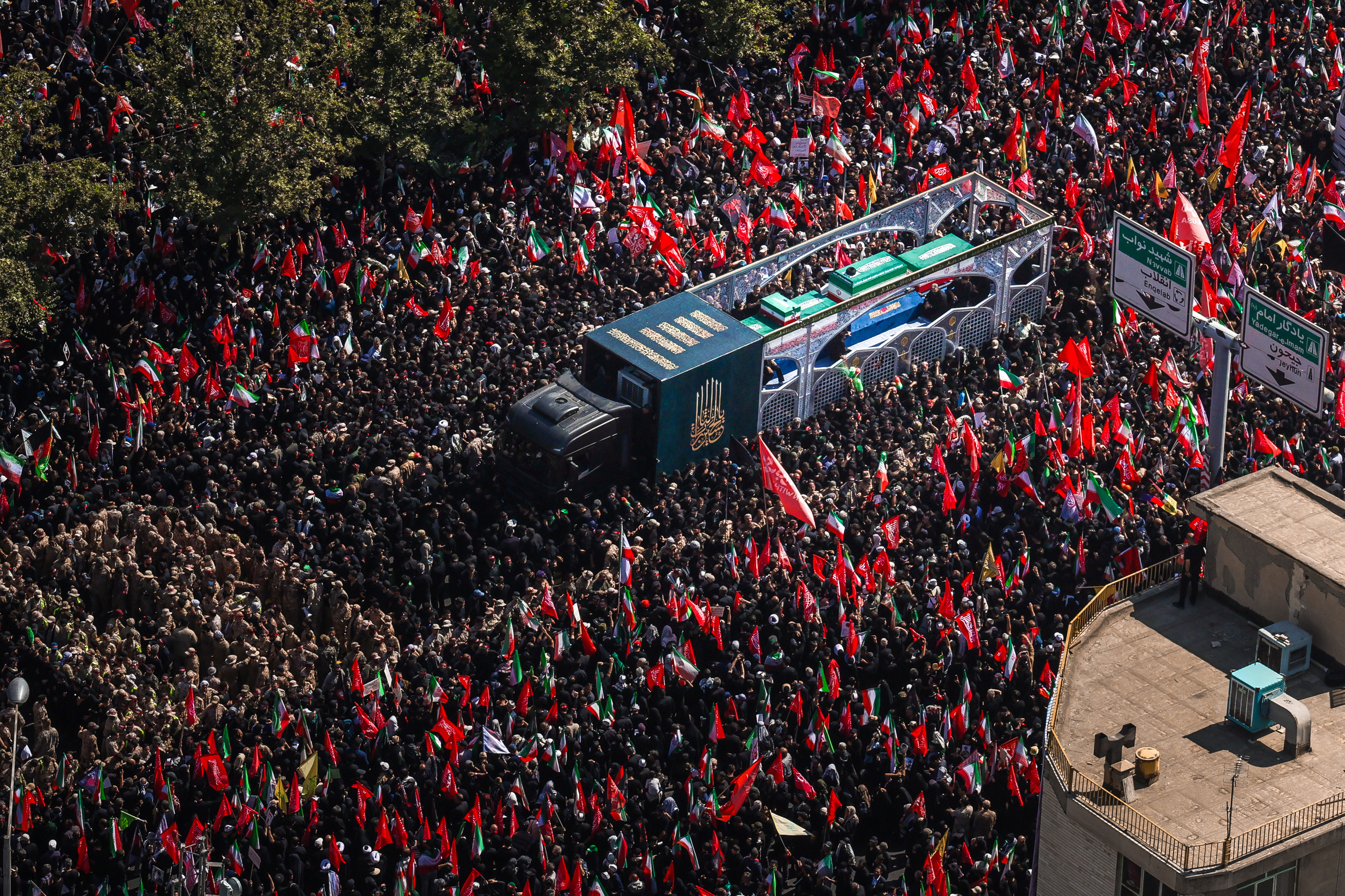
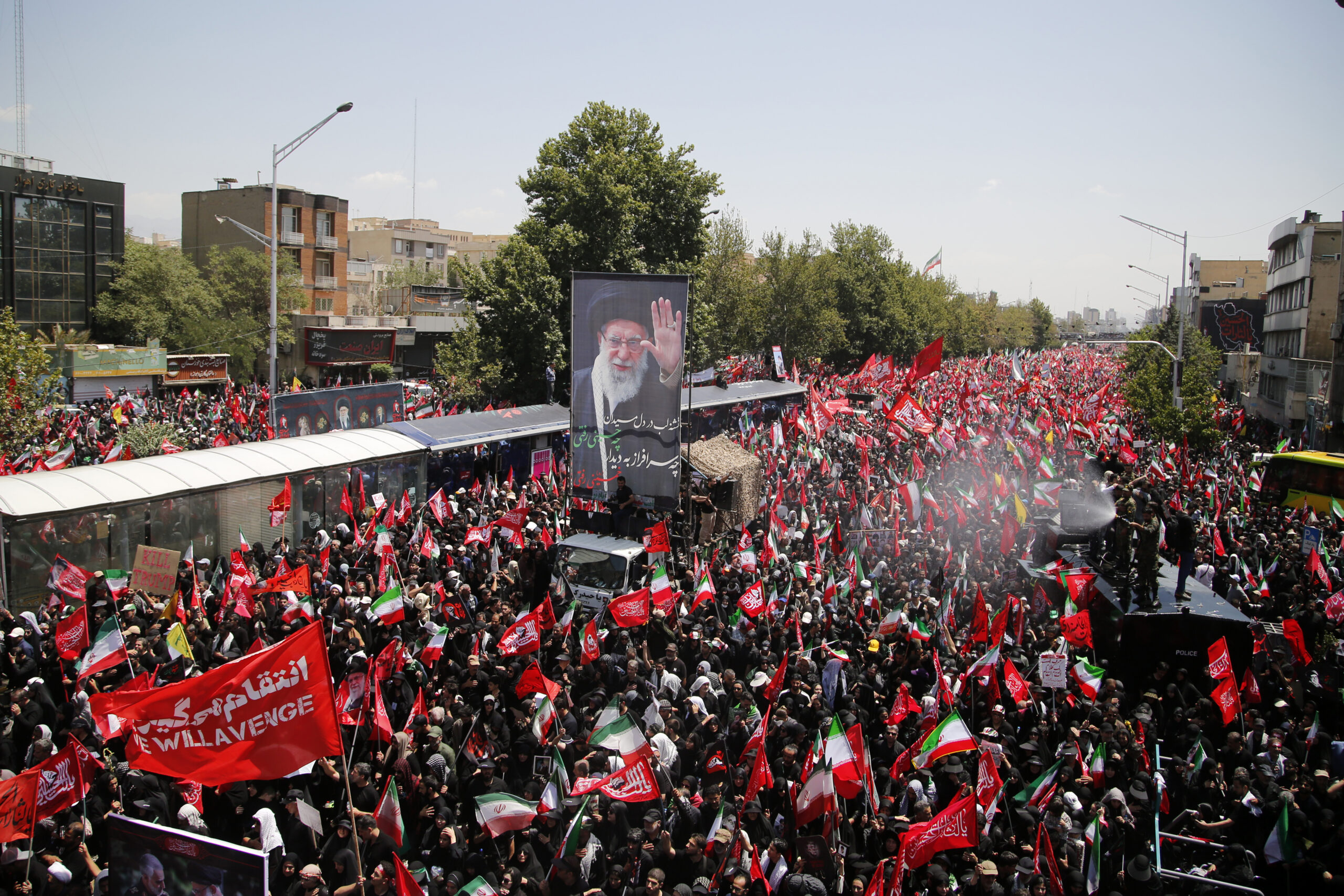
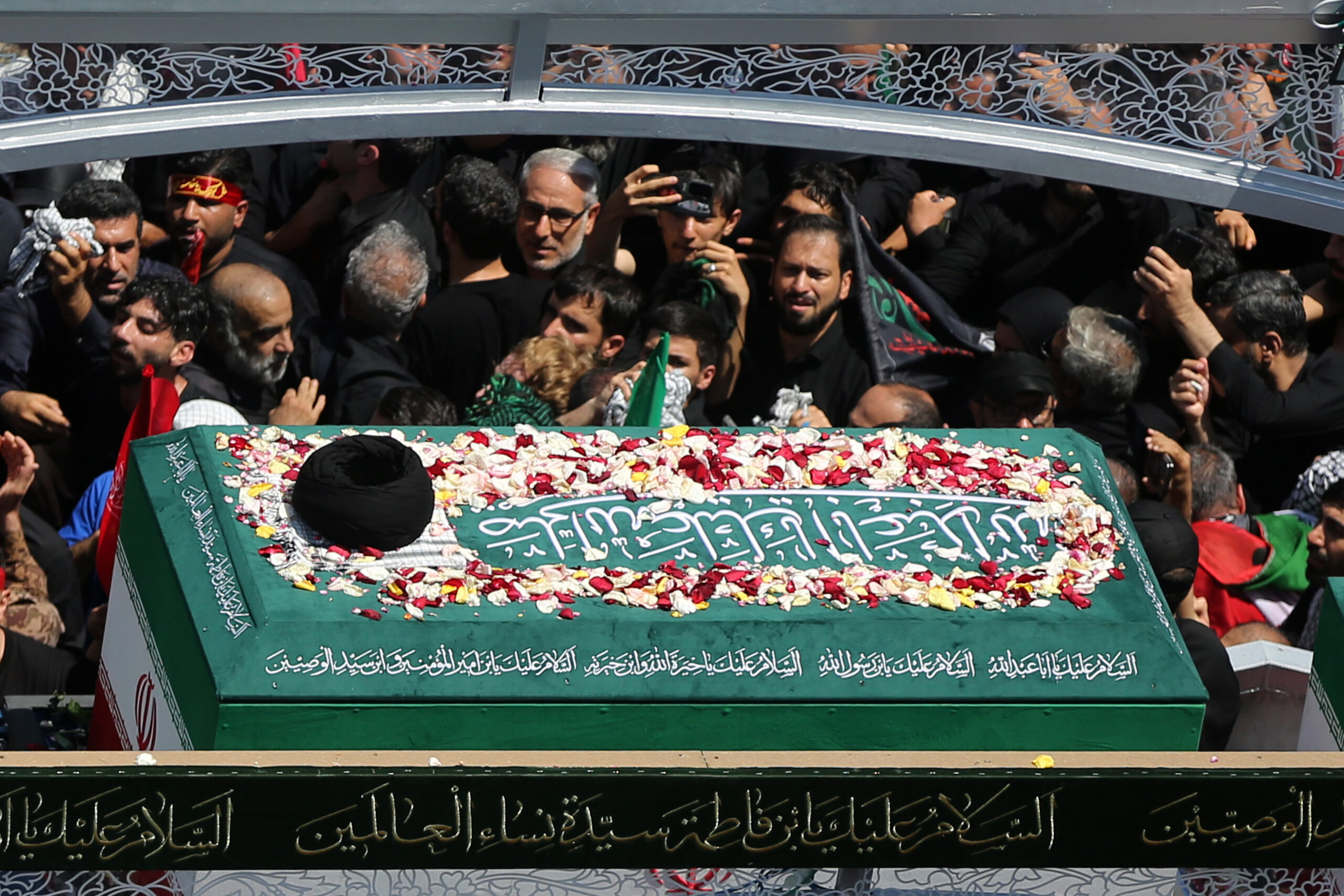
On Monday, the final day of public mourning, Khamenei’s coffin, draped in the national flag, was placed on a vehicle, making its way through the streets of Tehran amid a massive crowd.
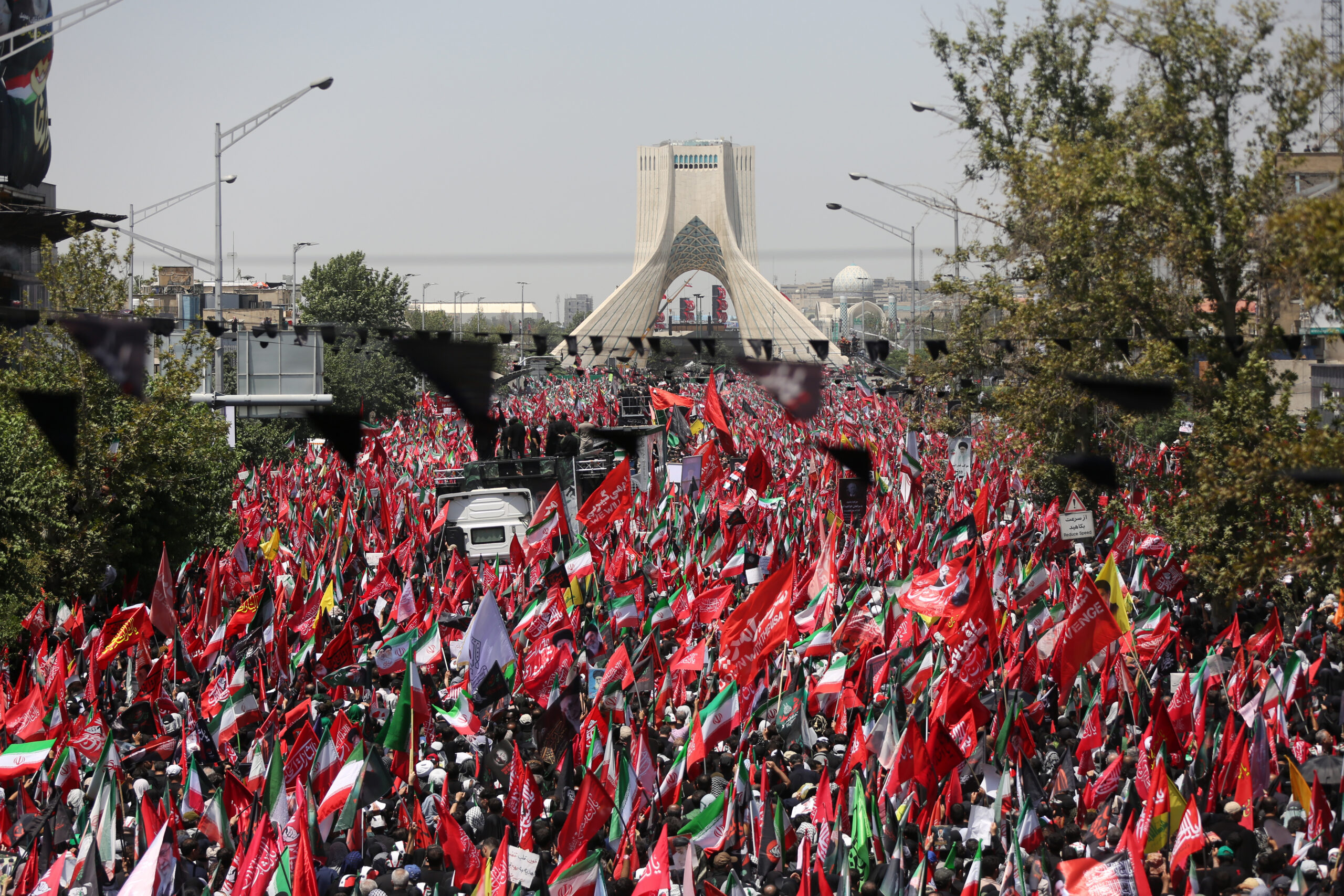
People walked for several kilometers in the soaring heat. Many carried Iranian flags and red banners, as giant portraits of Khamenei hung over buildings across the city.
At the funeral processions, security has been heightened, with Islamic Revolutionary Guard Corps (IRGC) personnel deployed throughout the area and vehicles forbidden from entering.
Ayatollah Khamenei was killed on February 28 when US and Israeli strikes hit his compound at the opening of the war on Iran.

Iranian state media and multiple international outlets reported that several of his family members were also killed in the same attack, which triggered a long period of mourning before the funeral ceremonies now taking place across Iran.
Israeli intelligence reportedly spent years hacking into Tehran’s traffic camera network to track Khamenei’s movements and monitor his bodyguards before the strike that killed him.
Subscribe to our newsletter and stay updated on the latest news and updates from around the Muslim world!
The Financial Times reported that Israel used access to street cameras and surveillance systems to build a picture of his security patterns, raising questions over how deeply Israeli intelligence had penetrated Iran’s internal security apparatus.
Mojtaba Khamenei, his son and successor, reportedly survived the strike but was injured and has not appeared publicly since.
Iranian officials have kept details limited, while reports say security chiefs stopped him from attending his father’s funeral over fears Israel could target him too. However others speculate his injuries are severe to warrant public appearances.
The ceasefire remains in force under a 60-day interim truce signed by Washington and Tehran in mid-June, after months of war that began with the 28 February US-Israeli strike that killed Khamenei.
The agreement halted direct hostilities and opened a window for negotiations, but Iranian officials have repeatedly warned that any new Israeli or American attack would trigger retaliation.