


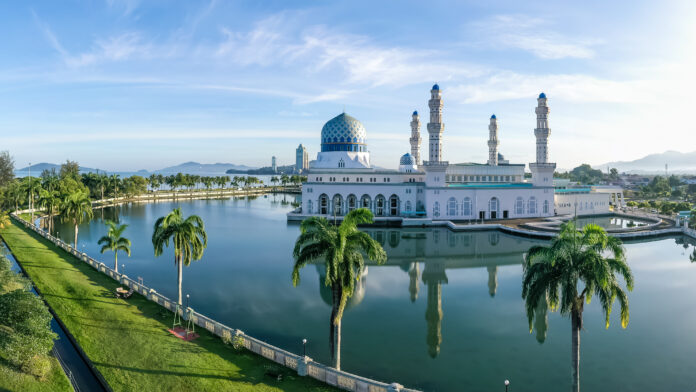
Malaysia has retained its position as the world’s best destination for Muslim travellers amid a thriving global halal travel market driven by a young, digitally-connected Muslims.
The annual Mastercard-CrescentRating Global Muslim Travel Index (GMTI) 2026 ranks 150 destinations on how well they cater for Muslim visitors, taking into account factors including halal food, prayer facilities, accessibility, safety, communications and tourism services.
Malaysia tops the list, followed by Indonesia, Saudi Arabia, Türkiye and Qatar.
Malaysia retained the top spot because it offers a comprehensive Muslim-friendly travel ecosystem, with halal food, prayer facilities, certified services and modern tourism infrastructure widely available across the country, backed by strong government initiatives such as the Visit Malaysia 2026 campaign.
The report says its ability to combine Islamic heritage with world-class attractions, digital services and consistently high standards makes it the global benchmark for Muslim-friendly tourism.

The world’s top Muslim-friendly destinations
According to the GMTI 2026 rankings, the world’s highest-rated Muslim-friendly destinations are:
Subscribe to our newsletter and stay updated on the latest news and updates from around the Muslim world!
- Malaysia
- Indonesia (joint second)
- Saudi Arabia (joint second)
- Türkiye (joint second)
- Qatar
- United Arab Emirates
- Bahrain
- Iran
- Kuwait
- Oman
- Singapore
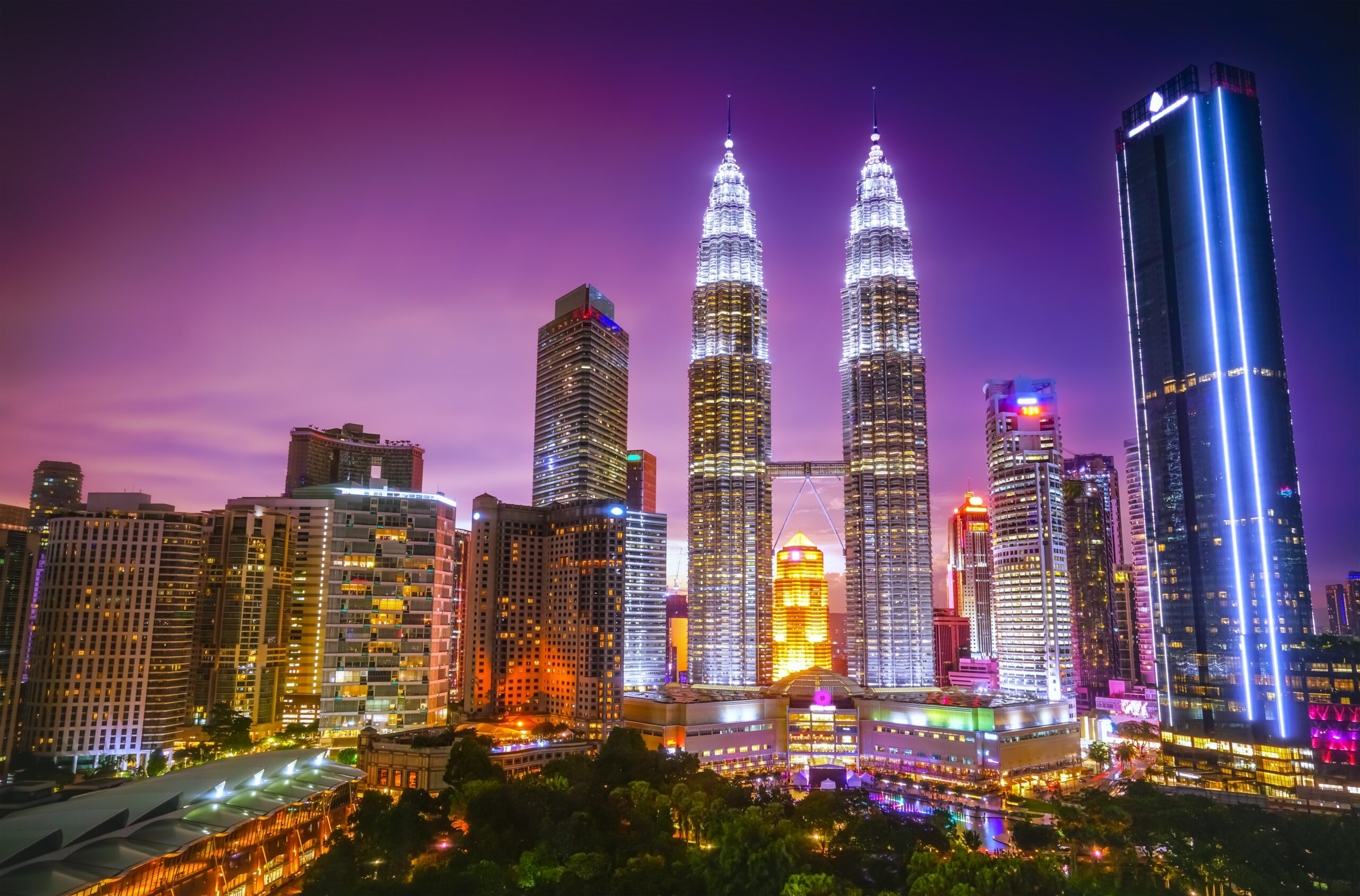
Why Malaysia remains number one
Malaysia strengthened its lead this year, increasing its overall score to 83, four points higher than last year.
The report says the country has continued to invest heavily in its halal tourism ecosystem through the Visit Malaysia 2026 campaign, expanding policies, digital services and certification programmes that make travelling as a Muslim both easy and predictable.
Unlike many destinations where halal services are concentrated in particular cities, Malaysia offers widespread access to halal-certified restaurants, prayer facilities and Muslim-friendly accommodation throughout the country.
Researchers also praised Malaysia’s ability to combine Islamic heritage with a modern, multicultural society, allowing visitors to enjoy everything from tropical beaches and rainforests to luxury resorts without compromising their religious needs.

Indonesia climbs back among the leaders
Indonesia was one of the biggest success stories in this year’s rankings, climbing three places to share second position after increasing its score by three points.
The report attributes the improvement to renewed investment by tourism authorities and halal industry stakeholders in strengthening the country’s Muslim-friendly tourism infrastructure.
As the world’s largest Muslim-majority nation, Indonesia combines rich Islamic heritage with diverse natural attractions, from Lombok and Aceh to Java and Sumatra, while continuing to improve facilities for domestic and international Muslim visitors.
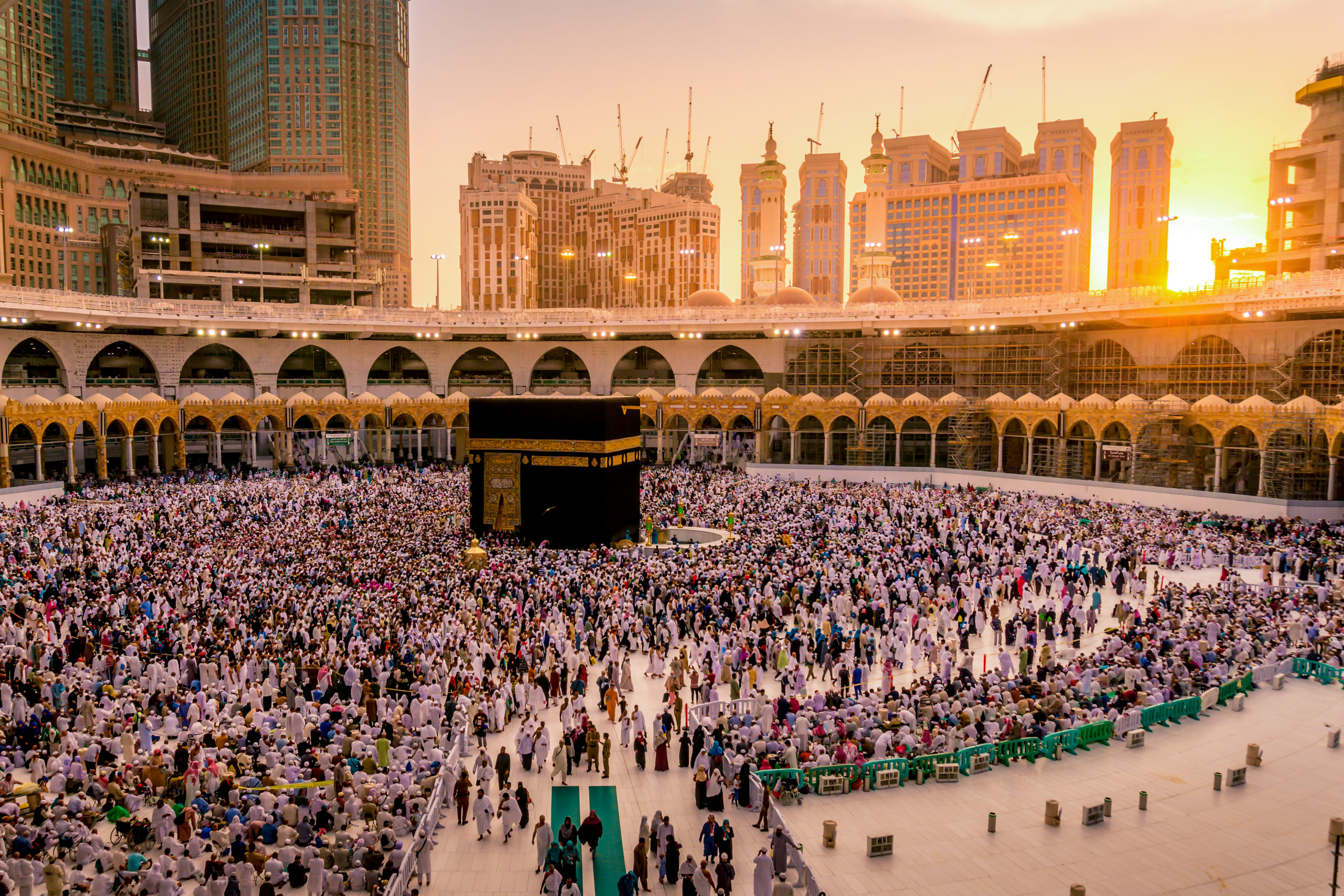
Saudi Arabia broadens its appeal beyond Hajj and Umrah
Saudi Arabia retained its place among the world’s top destinations as it continues to transform itself into a broader tourism destination under Vision 2030.
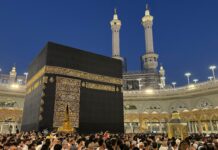
While Makkah and Madinah remain the spiritual heart of the Muslim world, the report says Saudi Arabia has invested heavily in airports, railways, digital visa systems and tourism infrastructure to attract families and leisure travellers alongside pilgrims.
The expansion of entertainment, shopping, cultural attractions and improved transport has helped make the Kingdom increasingly attractive for visitors throughout the year while maintaining its strong Islamic identity.
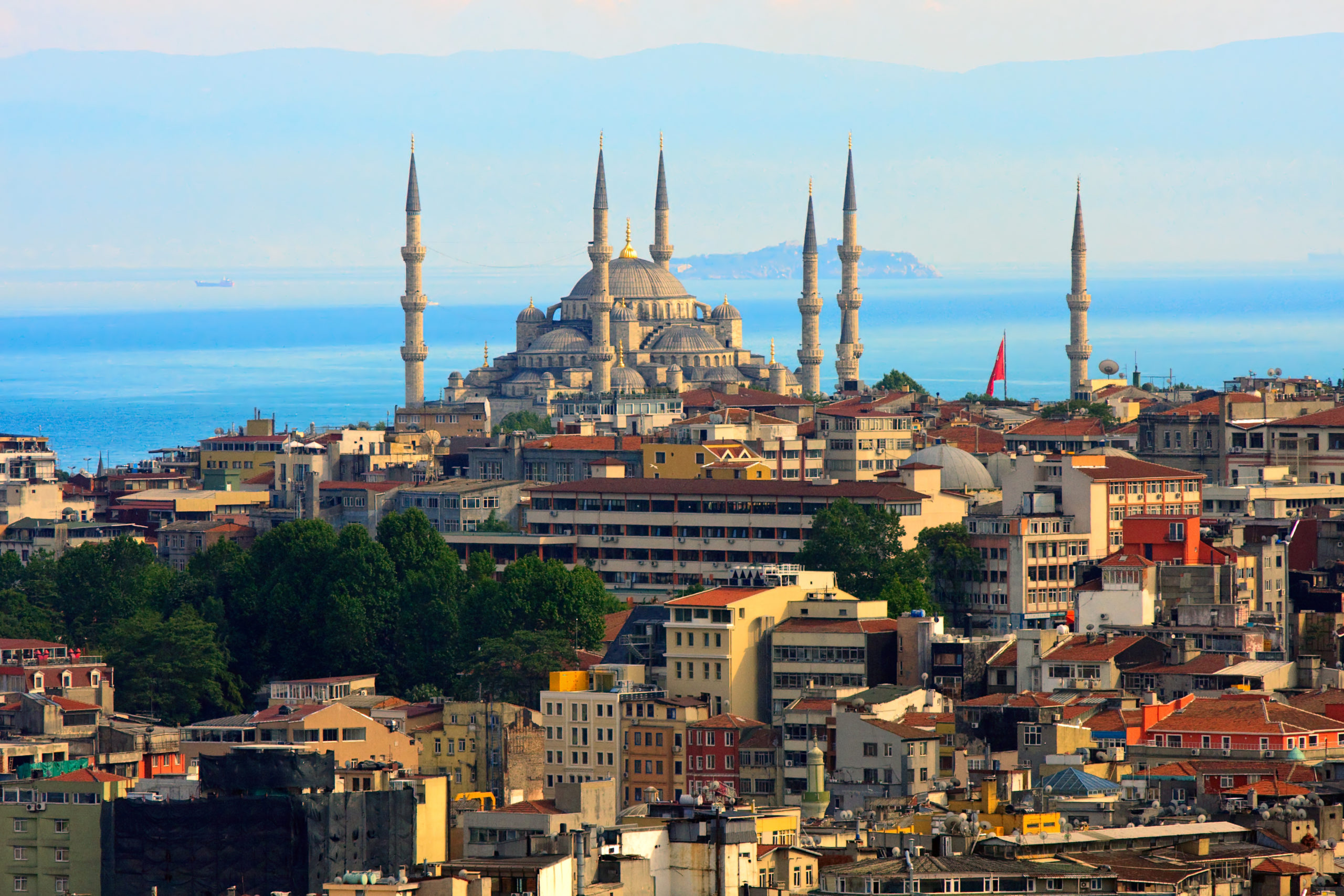
Türkiye balances heritage with modern tourism
Türkiye also shared second place after further investment in its halal tourism sector.
The report highlights the country’s unique ability to combine Islamic history with modern tourism, offering visitors Ottoman heritage, world-famous mosques, Mediterranean beaches and vibrant city life alongside expanding Muslim-friendly hotels and services.
The continued expansion of Turkish Airlines has also improved accessibility for Muslim travellers from around the world.
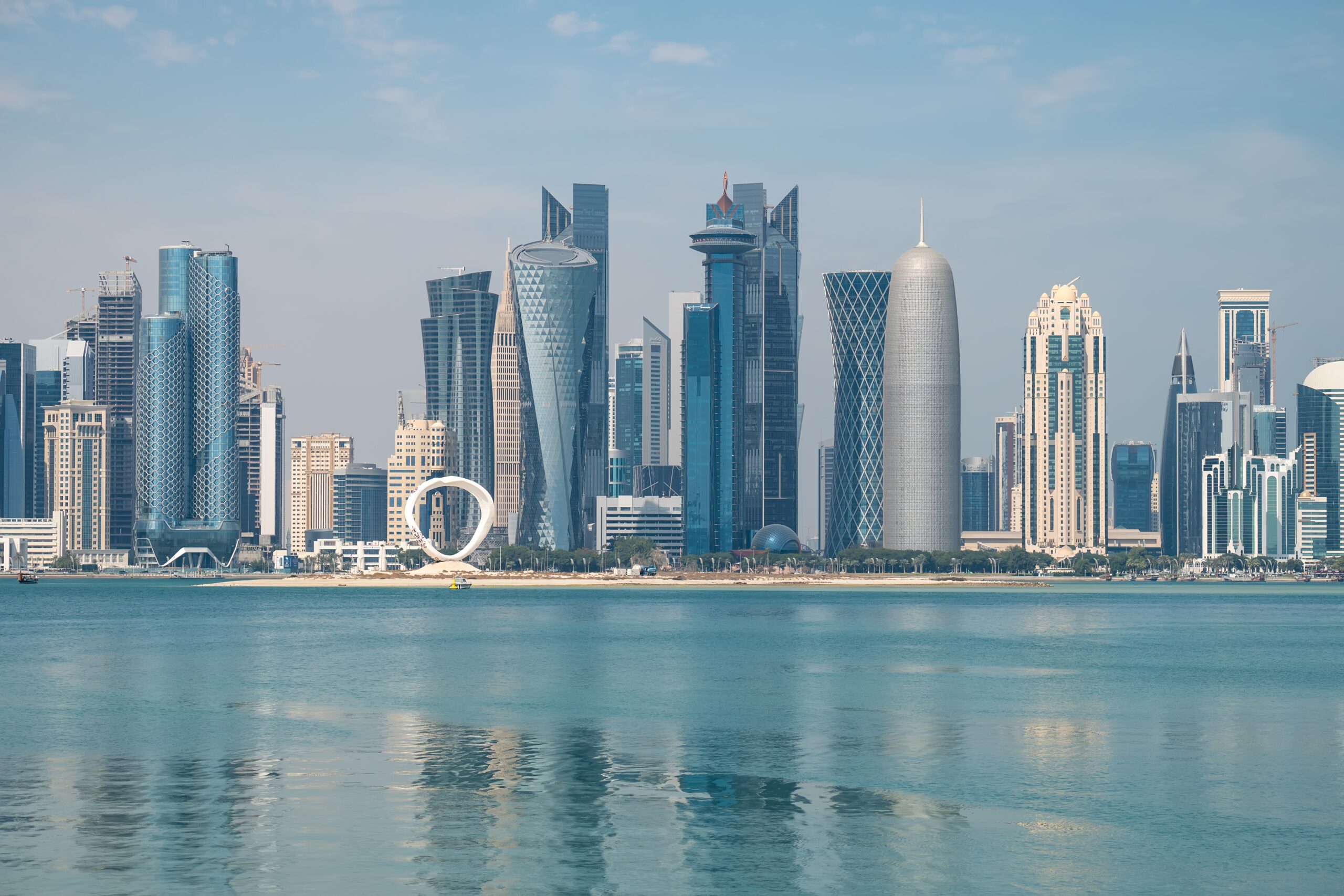
Doha skyline view with amazing sea. Panoramic view of the tall skyscrapers of Doha in Qatar. Pic: Shutterstock.
Qatar continues to punch above its weight
Qatar completed the top five after consolidating the gains made following its hosting of the FIFA World Cup.
The report says the Gulf state has successfully combined luxury tourism with Islamic values, offering halal-friendly hotels, abundant prayer facilities and modern infrastructure while hosting major international sporting and cultural events.
Doha, in particular, is praised for blending traditional Islamic culture with contemporary museums, architecture and high-end hospitality.
Muslim travel becoming a global economic powerhouse
Beyond the rankings, the report argues that Muslim travel has moved from being a niche market into a mainstream global industry.
Researchers say international Muslim travel has fully recovered from the pandemic and is now one of the fastest-growing sectors in global tourism.
Muslim international arrivals reached 196 million in 2025, are forecast to climb to 208 million this year, and are expected to reach 262 million by 2030, generating an estimated $310 billion in annual travel spending.
Around 70% of the world’s Muslims are under the age of 40, making them one of the world’s youngest and most digitally connected travel markets.
The world’s Muslim population is expected to increase from 2.22 billion today to 2.57 billion by 2036, representing almost 30% of humanity. Because most Muslims are under 40, the sector is expected to enjoy decades of sustained growth.
Researchers also point to the growing influence of Muslim women travellers, who now account for around 90 million international trips, or almost half of all Muslim travel worldwide.
AI will shape the future of halal tourism
One of the report’s strongest conclusions is that Artificial Intelligence is rapidly changing how Muslims choose destinations.
Rather than searching manually through dozens of websites, travellers are increasingly relying on AI assistants to recommend destinations, hotels and itineraries.
As a result, tourism authorities are being urged not only to provide halal food, mosques and Muslim-friendly accommodation, but also to ensure that information about those facilities is digitally structured so AI systems can easily discover and recommend them.
The report warns that destinations which fail to make their Muslim-friendly services visible online risk becoming “algorithmically invisible,” regardless of how good their physical infrastructure may be.
For Muslim travellers, however, the message is more positive: competition between destinations is intensifying, meaning countries are investing more heavily than ever in making travel easier, safer and more welcoming for Muslims.