



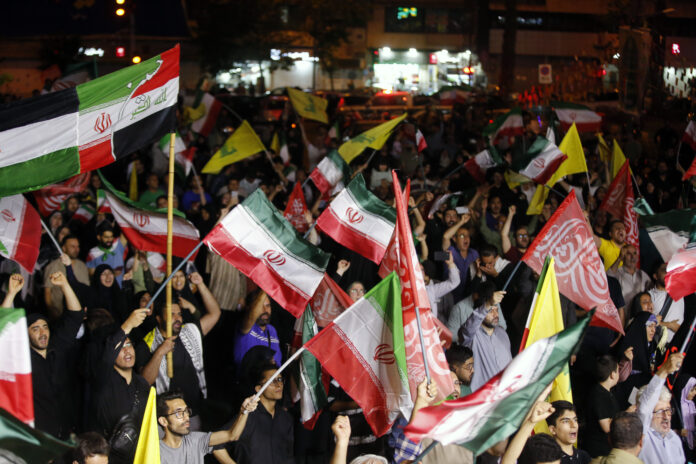
A new survey conducted by the Hebrew University of Jerusalem has found more than nine in ten Israelis believe that Tehran emerged as the winner of the conflict.
The poll, carried out in partnership with the Agam Institute between June 17 and June 20 among 3,644 respondents, found that 92.1% of those surveyed believe Iran “won or gained more” from the recent war and the subsequent agreement reached between the United States and Iran.
The findings have been widely reported in Israeli and international media, although the full survey report has yet to be released publicly.
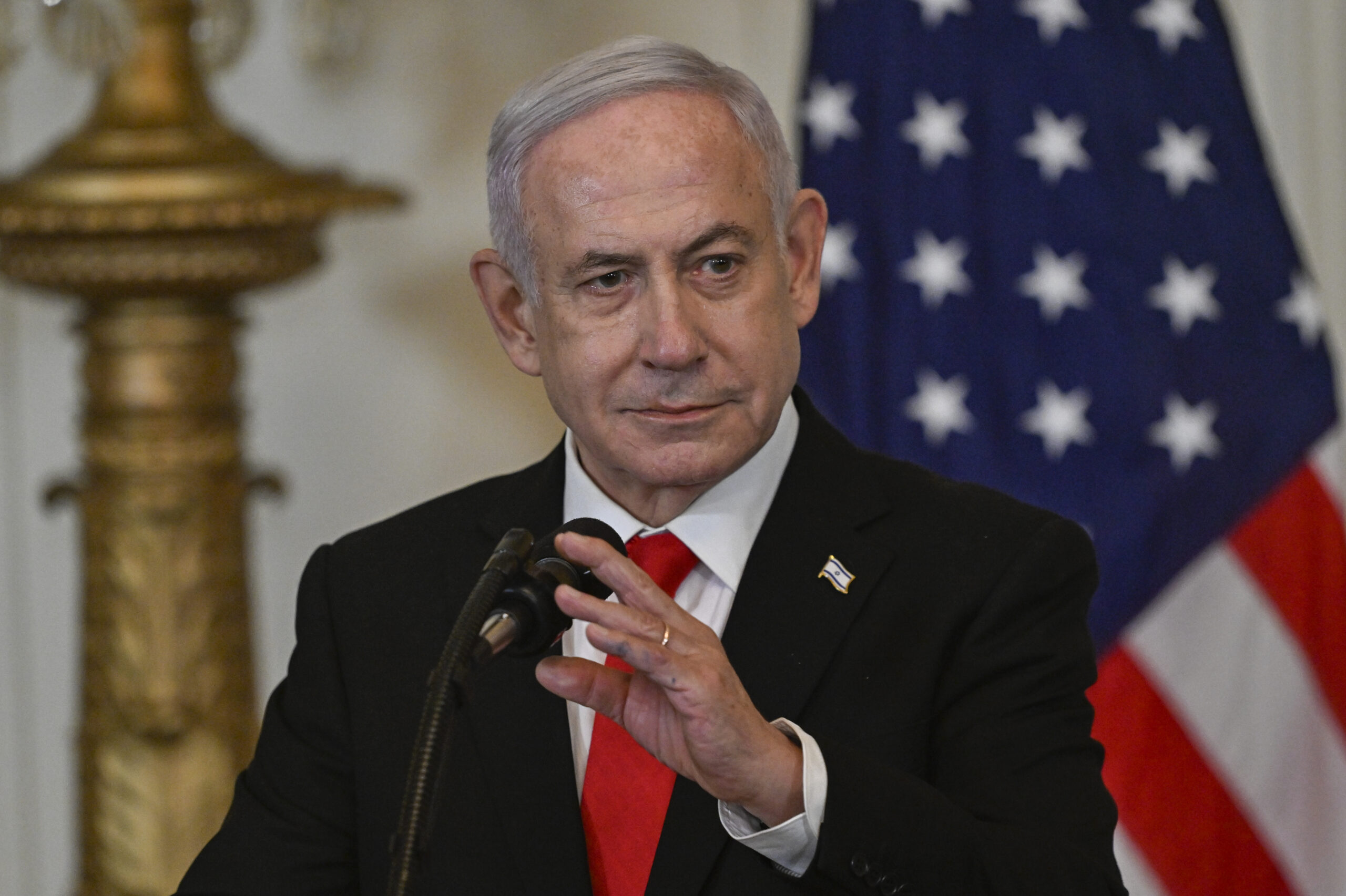
The results represent a remarkable shift in public mood inside Israel and underline growing dissatisfaction with Prime Minister Benjamin Netanyahu’s handling of the conflict.
According to the survey, 82.9% of respondents said Israel’s long-term security had actually been weakened by the war, directly contradicting government claims that the military campaign had significantly improved Israel’s strategic position.

Nearly 88% said Israel had either failed to achieve its military objectives or had only partially met them.
Perhaps most damaging for Netanyahu personally, almost three-quarters of respondents (72.5%) said they did not believe his repeated claims that Israel had removed an existential threat or achieved a decisive military success.
Subscribe to our newsletter and stay updated on the latest news and updates from around the Muslim world!
More than half (56.4%) rated his management of the war as either “poor” or an outright failure.
Israeli media have described the findings as reflecting a deep crisis of confidence in the country’s political leadership.
The television network i24NEWS said the survey revealed “deep distrust” among Israelis regarding both the outcome of the war and the agreement reached with Washington.
Other Israeli commentators have noted that the findings stand in sharp contrast to the widespread public support that existed when military operations against Iran first began earlier this year.
The survey also suggests that criticism extends well beyond Israel’s political opposition. According to the reported findings, even among voters aligned with Netanyahu’s right-wing bloc, over 93% believed Iran had emerged as the side that gained more from the conflict.
Opposition to the U.S.-Iran agreement was also widespread. Around 63% of respondents opposed the deal, while only around 12% expressed support for it.
The findings come at a politically sensitive time for Netanyahu, who is already facing growing domestic criticism over Israel’s handling of multiple fronts, including Gaza and Lebanon. Recent Israeli polling has shown declining support for the prime minister and growing backing for opposition figures ahead of elections expected later this year.
Why do Israelis believe Iran won?
- Israel did not achieve its stated strategic objectives:
Israeli leaders had argued that the campaign would significantly degrade Iran’s nuclear programme and missile capabilities and restore long-term deterrence. Many Israelis appear to have concluded those goals were not fully achieved. The poll reportedly found that nearly 88% believed Israel had failed to achieve its objectives or had done so only partially.
- Iran remained standing:
Despite heavy Israeli and U.S. strikes, the Iranian government survived, continued to function, and retained much of its military and political leadership. For many observers, simply surviving a confrontation with Israel and the United States can be viewed as a strategic success.
- Damage to Israel’s deterrence:
Around 83% reportedly believed Israel’s long-term security had been weakened. During the conflict, Iranian missile strikes penetrated Israel’s air defences and hit military and civilian infrastructure. Although Israel intercepted many incoming missiles, the attacks demonstrated vulnerabilities that received extensive coverage in Israeli media.
- The way the conflict ended:
Some Israeli commentators argued that the ceasefire and subsequent U.S.-Iran understanding did not produce the decisive outcome that had been promised. If the public expected Iran’s capabilities to be fundamentally curtailed but instead saw a negotiated end to the fighting, many may have interpreted that as Iran emerging with the advantage.
- Distrust of Netanyahu’s government:
The survey reportedly found that about 72.5% did not believe Prime Minister Netanyahu’s claims about the war’s success. Public dissatisfaction with the government’s handling of the conflict could have influenced perceptions of the outcome independently of military events.
- The psychological dimension of victory:
Wars are often judged politically as much as militarily. Even if both sides inflicted significant damage, respondents have concluded that Iran gained prestige, strengthened its image of resilience, or achieved political objectives simply by withstanding the campaign.