


Journalist Bilal Abdul Kareem says that Syria must respond forcefully to Israel’s brazen land grabs and violations of its territory or risk the country becoming part of “Greater Israel.”
The recent incursion by Israeli forces into Syrian territory near Al Kiswah, just 10 kilometers from Damascus, is a stark reminder of the growing audacity of Israel’s actions against a sovereign nation.
The operation, which saw 60 Israeli soldiers descend from helicopters, operate unchallenged for two hours, and leave without resistance, is not just a violation of Syria’s territorial integrity – it is a direct challenge to its sovereignty and a dangerous escalation that demands a response.
Israel’s actions are not isolated. From frequent airstrikes in Quneitra near the Golan Heights to the establishment of checkpoints, house raids and arrests in southern Syria, Israel has shown a pattern of provocation.
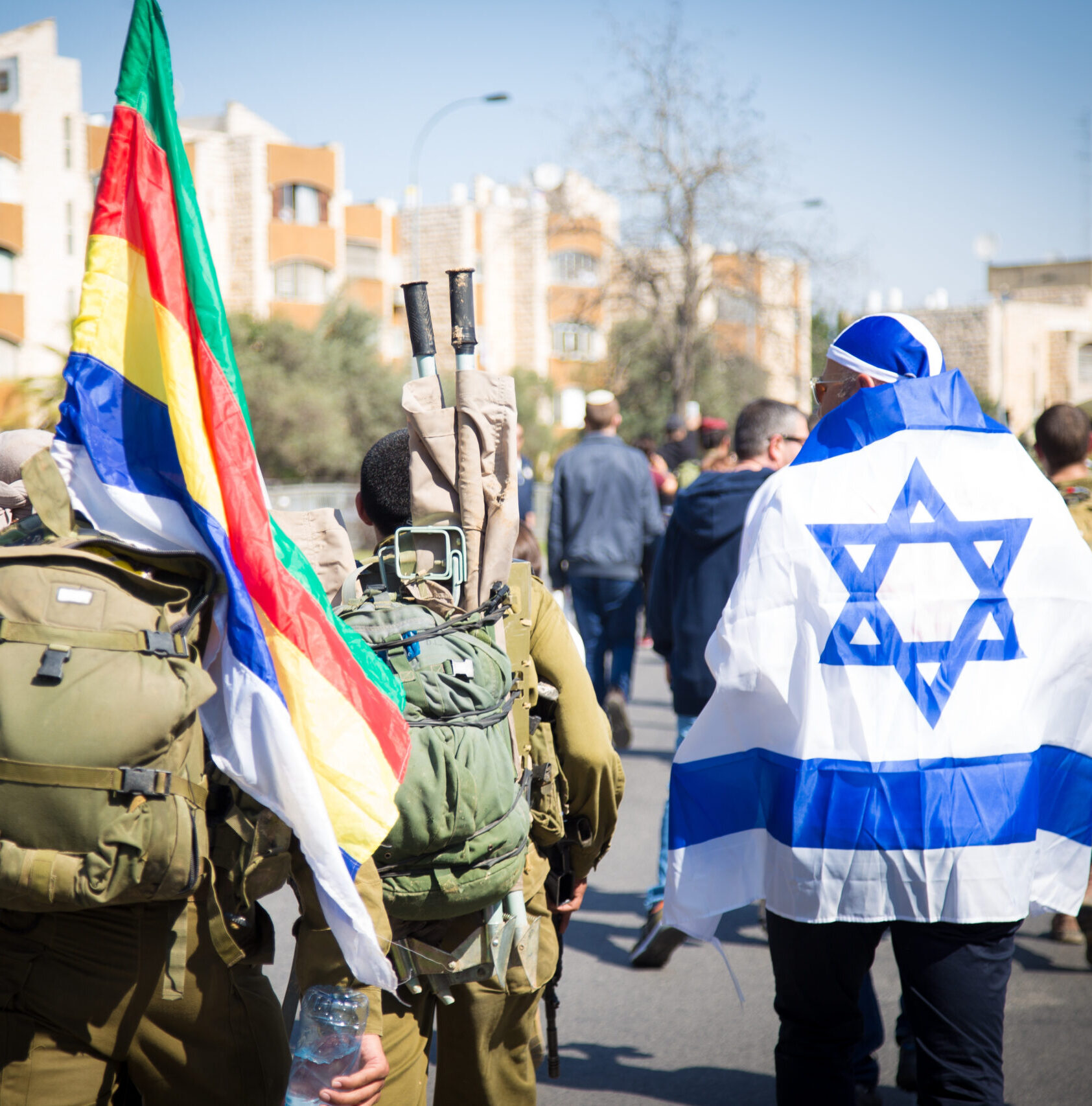
The presence of Israeli-backed Druze militia forces, openly flying Israeli flags and pledging allegiance to the so-called “Greater Israel” project, further underscores the existential threat Syria faces.

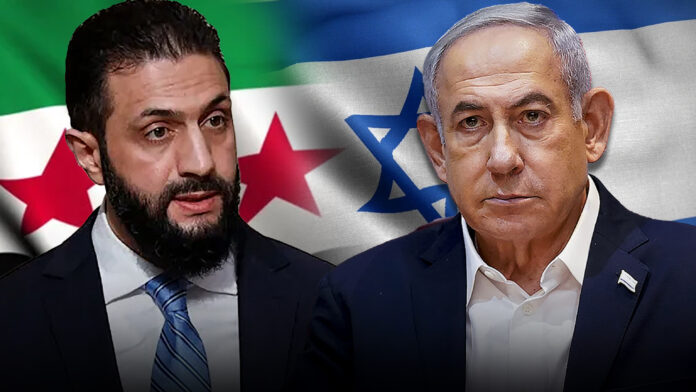
Prime Minister Benjamin Netanyahu’s public endorsement of this expansionist vision, coupled with the lack of a robust Syrian response, only emboldens further incursions.
Tepid reaction
Subscribe to our newsletter and stay updated on the latest news and updates from around the Muslim world!
The Syrian government’s tepid reaction — limited to statements of condemnation — falls woefully short of what is required. Condemnations do not deter aggressors; they signal weakness.
For a nation that has endured years of conflict and upheaval, the absence of a military or strategic response to such a blatant violation is alarming. The fact that Israeli forces could operate so close to the capital without encountering resistance raises serious questions about Syria’s ability to defend itself and the government’s commitment to protecting its people.
This is not a call for reckless war, but for a calculated and resolute response to deter further aggression. Israel’s actions demonstrate that it will not stop unless faced with meaningful resistance.
The Syrian leadership, under Ahmed Al Sharaa, may wish to avoid being baited into a broader conflict, but inaction is not a strategy — it is surrender by default. The fall of southern regions like Suweida to Israeli-backed forces and the unchecked influence in Quneitra and Dara’a show that Syria is losing ground, piece by piece.
If left unaddressed, the dream of a “Greater Israel” could become a reality at Syria’s expense, with Damascus itself potentially under threat.
Lessons from Gaza
Syria’s history of resilience, particularly in its revolution to overthrow authoritarian rule, offers a lesson in defiance. The Syrian people did not endure years of struggle to see their country carved up by external forces. The revolution’s goals of justice and liberation must now extend to defending the nation’s borders.
While Syria may not match Israel’s military might, the example of Gaza — where resistance has held firm against overwhelming odds — shows that determination and strategic action can make a difference. Syria has untapped potential, both in its people and its military resources, to assert itself.
The Syrian government must act decisively. Beyond military measures, Syria’s scholars and leaders must mobilise public support, articulate a clear plan, and hold the government accountable for its response. Silence from the ulama and vague condemnations from officials are not enough. The Syrian people deserve transparency and action.
Israel’s aggression thrives on Syria’s hesitation. Every unchallenged incursion invites another. If Syria is to preserve its sovereignty and protect its people, it must show Israel —and the world — that it will not stand idly by as its territory is eroded. The time for half-measures is over. Syria must respond out of necessity to safeguard its future.
Bilal Abdul Kareem is an American journalist known for covering the Syrian Civil War. He has worked with CNN, BBC, Sky News and Channel 4, and founded On The Ground News for English-language reports from Syria where he has been based since 2012. You can follow him on Twitter here.