



Iran targeted Al Udeid Air Base in Qatar yesterday, reigniting questions over Qatar’s deep military partnership with Washington and the role of the base in decades of U.S. intervention across the Muslim world.
Al Udeid Air Base was established in the aftermath of the 1991 Gulf War, as Qatar aimed to strengthen its strategic ties with the United States for its own military protection against fears of invasion by Saudi Arabia.
In the late 1990s, Qatar offered the U.S. military access to a newly constructed facility located in the desert southwest of Doha.
Construction was funded almost entirely by Qatar — reportedly at a cost of $1 billion — with the aim of luring U.S. forces away from Saudi Arabia following political backlash over the American military presence in the Kingdom.
The air base became operational in 2000, but it was the events of 9/11 and the subsequent launch of the so-called War on Terror that turned Al Udeid into a central hub for U.S. war planning.


By 2003, U.S. Central Command (CENTCOM) had shifted its forward headquarters from Prince Sultan Air Base in Saudi Arabia to Al Udeid. The move came just weeks before the U.S.-led invasion of Iraq.
Since then, Al Udeid has served as the logistical and operational heart of American airpower in the region.
Subscribe to our newsletter and stay updated on the latest news and updates from around the Muslim world!
It houses the Combined Air Operations Center (CAOC), which directs air campaigns across at least 21 countries, including Iraq, Syria, Yemen, and Afghanistan.
The base also supports surveillance operations, drone strikes, and bombing campaigns —including some conducted by allies such as the UK and Australia.
Its runways are capable of hosting long-range B-52 bombers, which have flown missions from Qatar into South Asia and the Levant.
During major operations — such as the U.S. war in Afghanistan, the campaign against ISIS in Iraq and Syria, and periodic bombing raids in Yemen — Al Udeid has acted as the central launchpad.
Doha’s contradictions
Despite presenting itself as a diplomatic mediator in regional conflicts, Qatar remains one of the most important logistical backers of the American military presence in the Middle East.
It has continuously expanded Al Udeid’s capacity, funded major infrastructure upgrades, and hosts over 10,000 U.S. personnel on a permanent basis.
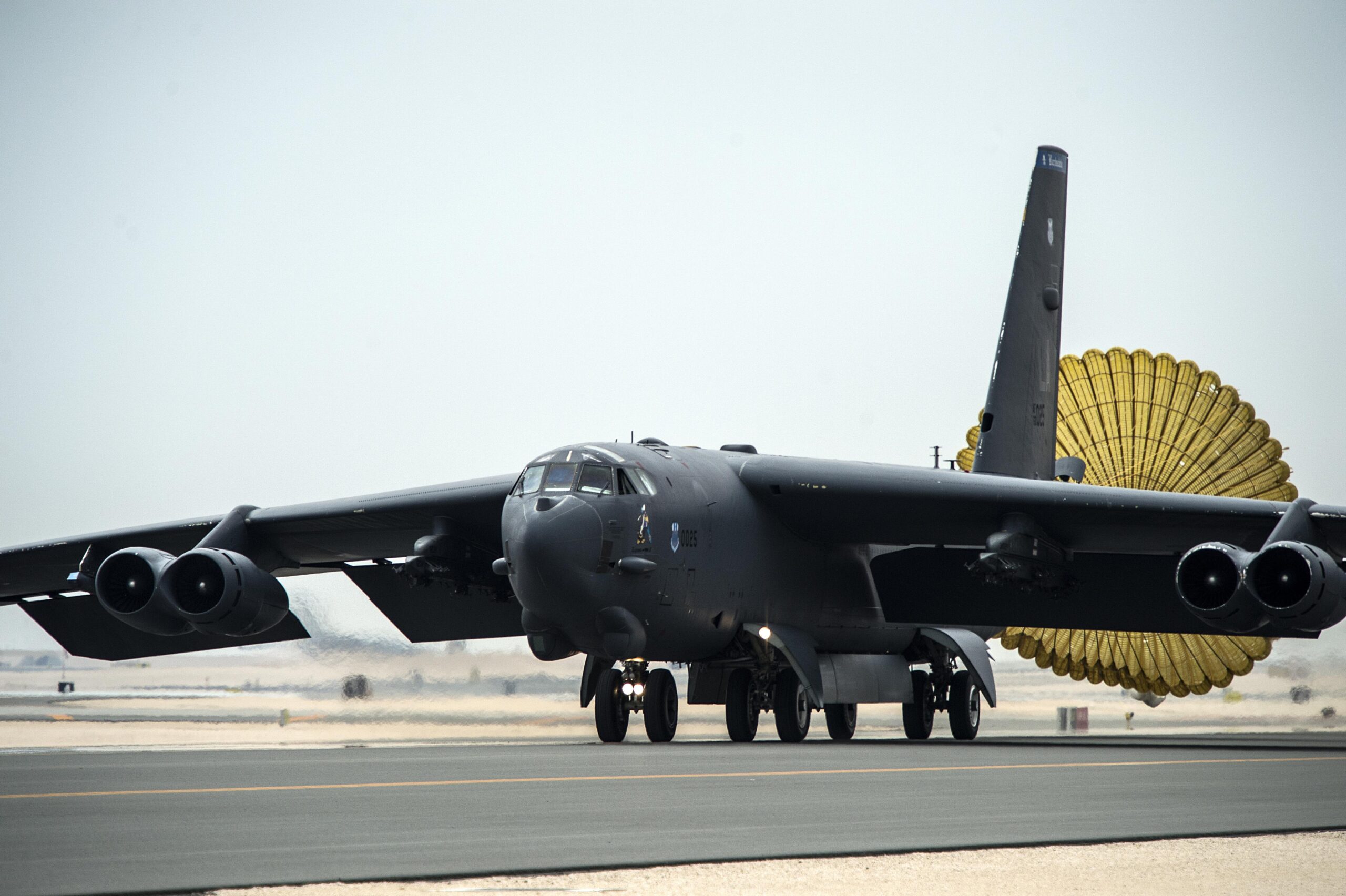
The Royal Air Force (UK) also operates from the base, maintaining aircraft and a command unit of its own.
While Qatari officials maintain that they do not permit offensive strikes to be launched from their territory, multiple U.S. and allied air campaigns have in fact been coordinated through Al Udeid.
That includes surveillance and support operations related to Israeli military actions, including during escalations in Gaza.
The contradiction between Qatar’s alignment with Western military power and its vocal support for Palestinian causes has come under sharper scrutiny in recent years. This month’s Iranian missile strike has only intensified that scrutiny.
According to regional reports, Tehran informed Doha in advance of the attack —underscoring that the aim was symbolic and not designed to escalate conflict with Qatar directly.
Qatar condemned the strike in a post on X as a violation of its sovereignty, but reiterated that its military cooperation with the U.S. is defensive in nature.
However, critics argue that hosting a base like Al Udeid — long associated with wars, drone strikes, and Western dominance — undermines any claim to regional independence.
Al Udeid is more than a military installation; it has become a key node in the post-9/11 security architecture of the Middle East, from which major U.S. and coalition operations have been launched across the region.
These campaigns have had far-reaching humanitarian consequences, particularly in Muslim-majority countries.
Iran’s strike on the base — limited though it was — suggests that U.S. military sites in the Gulf may no longer be viewed as off-limits.