


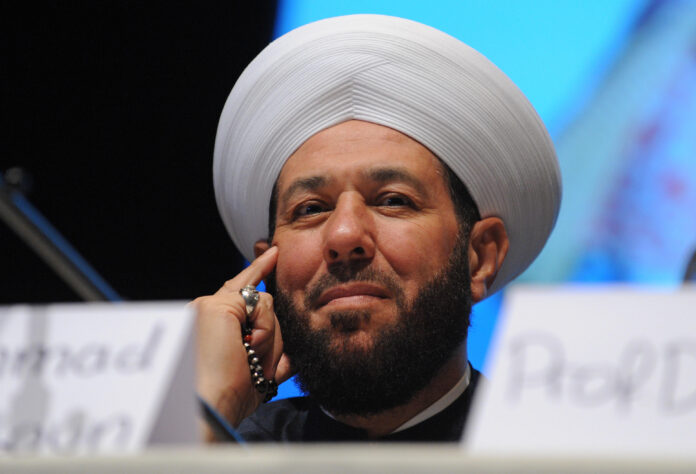
A Syrian court has sentenced former Grand Mufti Ahmad Badreddin Hassoun, one of the most prominent religious supporters of Bashar al-Assad’s regime, to life imprisonment after finding him guilty of inciting violence and sectarian strife.
The Fourth Criminal Court in Damascus delivered its verdict today following a six-session trial in one of the most high-profile prosecutions of a religious figure associated with the former government.
Judge Fakhr al-Din al-Aryan said evidence presented during the proceedings demonstrated Hassoun’s involvement in crimes against humanity and war crimes committed during Syria’s nearly 14-year conflict.
Hassoun, 77, is a Sunni Muslim and served as Syria’s Grand Mufti from 2005 until 2021 and became a vocal defender of Assad after the Syrian uprising erupted in 2011.
The court convicted Hassoun of acts intended to incite civil war and sectarian fighting, for which he received the life sentence.

He was also handed additional prison terms for incitement to intentional killing, complicity in intentional killing, abuse of office and stirring sectarian and racial tensions.
The court also ordered the confiscation of Hassoun’s assets for the benefit of the state and imposed a substantial financial penalty.
Subscribe to our newsletter and stay updated on the latest news and updates from around the Muslim world!
Religious backing for Assad’s war
At the centre of the prosecution was Hassoun’s alleged role in using his religious authority to legitimise the Assad regime’s violent suppression of its opponents.
According to Syrian state media, Judge al-Aryan said the country’s official religious establishment under Assad had been used to provide religious cover for military and security operations.
The court found that religious institutions headed by Hassoun had helped justify attacks against opposition-held areas, including the use of barrel bombs in populated neighbourhoods.
Hassoun became so closely associated with his defence of the regime’s military tactics that opponents frequently referred to him as the “Barrel Bomb Mufti.”
The court also found that Hassoun had provided regular financial assistance to Liwa al-Quds, a predominantly Palestinian militia which fought alongside Assad’s forces during the conflict.

Evidence presented during the trial alleged that Hassoun or his son had provided tens of thousands of dollars to the group’s leadership.
Hassoun was also accused of publicly supporting senior military figures implicated in atrocities and of strongly backing the Russian and Iranian interventions which helped keep Assad in power.
Among those he praised were Iranian commander Qassem Soleimani and Syrian Republican Guard general Issam Zahreddine, both prominent figures in the military campaign against Assad’s opponents.
Media reports covering the trial said witnesses also accused Hassoun of having longstanding relationships with Syria’s feared intelligence agencies.
One witness alleged that Hassoun had cooperated with the security establishment as far back as the 1980s and had supplied intelligence officials with information about people attending his religious lessons in Aleppo.
Other testimony focused on Hassoun’s actions during the early stages of the Syrian revolution.
In one instance, witnesses alleged that he travelled to Al-Sanamayn in Daraa province following the killing of protesters in 2011 and urged residents not to rebel against the country’s ruler.
Hassoun denied the accusations throughout his trial, arguing that his public statements had been taken out of context and insisting that he had not supported the Assad regime but had instead sought to help Syrians affected by it.
Who is Ahmed Hassoun?
Born in Aleppo in 1949 into a religious Sunni family, Hassoun studied Islamic sciences and rose through Syria’s religious and political establishment long before Bashar al-Assad came to power.
He served as a member of Syria’s parliament between 1990 and 1998 before becoming Mufti of Aleppo.
In 2005, Assad appointed him Grand Mufti of Syria, making him the country’s highest-ranking officially recognised Sunni religious authority.
During the earlier years of his tenure, Hassoun cultivated an international reputation as an advocate of interfaith dialogue and frequently participated in conferences and meetings with Christian and other religious leaders.
However, his reputation became increasingly controversial following the outbreak of anti-government protests in 2011.
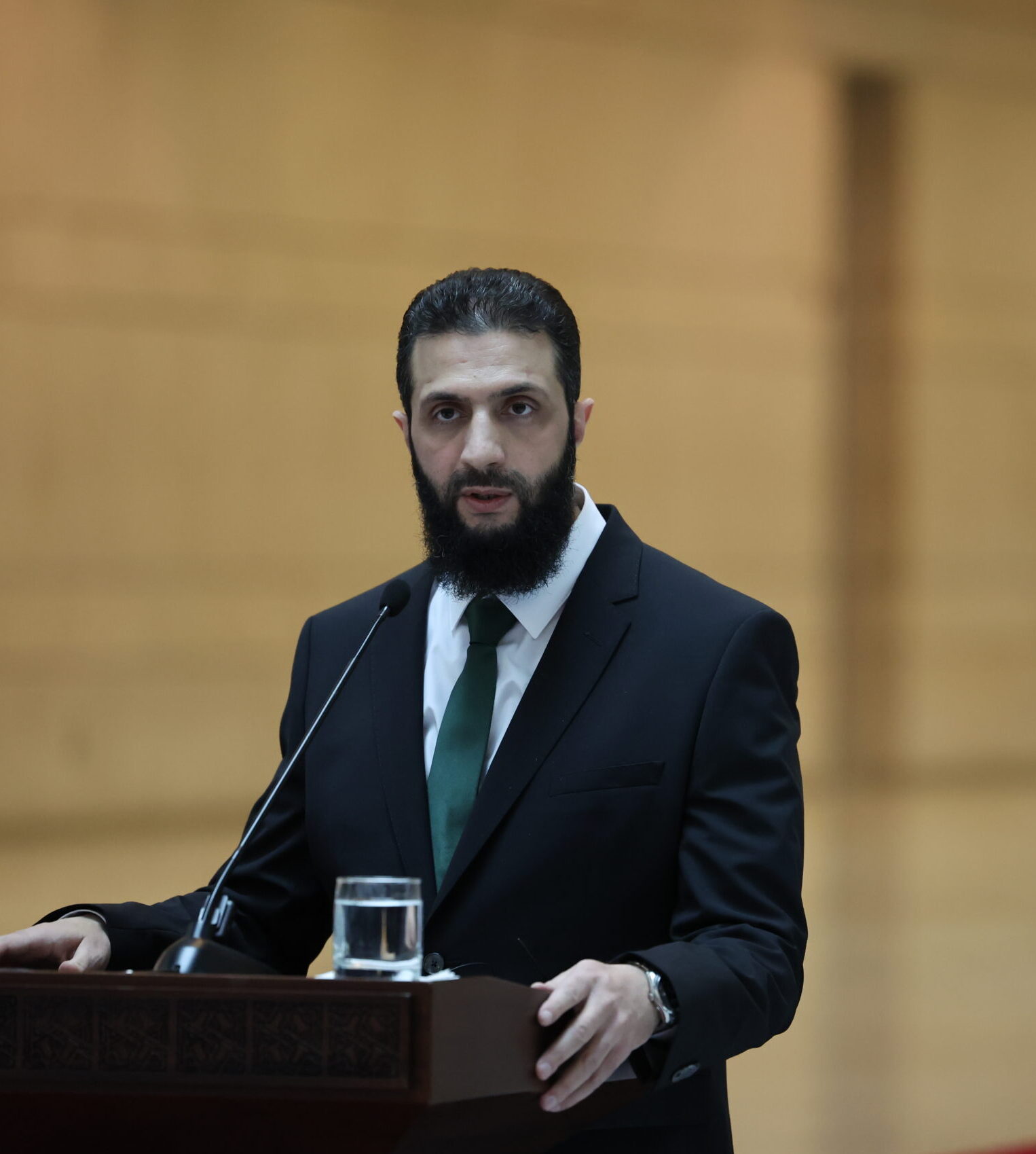
As Assad’s security forces responded to demonstrations with escalating violence, Hassoun emerged as one of the government’s most important religious defenders.
He adopted the regime’s argument that Syria was facing a foreign-backed conspiracy and repeatedly portrayed armed and civilian opposition to Assad as terrorism.
His critics accused him of placing the authority of the state above his responsibility as a religious scholar and of providing Islamic legitimacy for the government’s military campaign.
Hassoun’s own family was also touched by the conflict. His 22-year-old son Sariya was shot dead in an ambush in 2011, an attack attributed at the time to armed opposition fighters.
Despite his longstanding loyalty to the government, Assad unexpectedly abolished the office of Grand Mufti in 2021 and transferred some of its religious responsibilities to a council of scholars.
Arrested after Assad’s fall
Hassoun went into hiding following the dramatic collapse of the Assad government in December 2024.
He was arrested at Damascus International Airport in March 2025 while attempting to leave Syria and was subsequently detained under an arrest warrant issued by the new authorities.
His conviction forms part of a broader attempt by Syria’s post-Assad authorities to prosecute figures accused of responsibility for abuses committed during more than five decades of Assad family rule.
Several senior figures from the former regime have already faced proceedings, although many of the most powerful officials — including Bashar al-Assad himself — fled the country following the regime’s collapse.
Some human rights organisations have raised concerns about whether Syria’s rapidly developing transitional justice system can guarantee defendants fair trials and due process.
At the same time, many Syrians, particularly victims and families who suffered imprisonment, torture, displacement or the killing of relatives under the former government, have demanded much faster accountability for those responsible.
Syria’s uprising began with largely peaceful demonstrations against Assad in March 2011 before the government’s crackdown and subsequent armed rebellion transformed it into a devastating war.
Around half a million people are estimated to have been killed and millions more displaced before opposition forces toppled Assad in December 2024.