


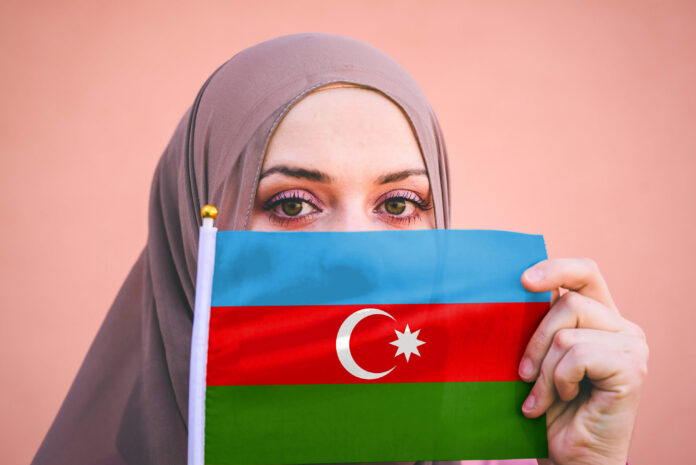
Azerbaijan is facing growing international condemnation over its crackdown on Muslims protesting restrictions on the hijab in schools, with hundreds reportedly detained, schoolgirls denied an education and a Muslim activist missing.
Amnesty International has demanded that the Azerbaijani authorities reverse the restrictions and release peaceful protesters, warning that the crackdown violates fundamental rights to education, religious freedom and freedom of expression.
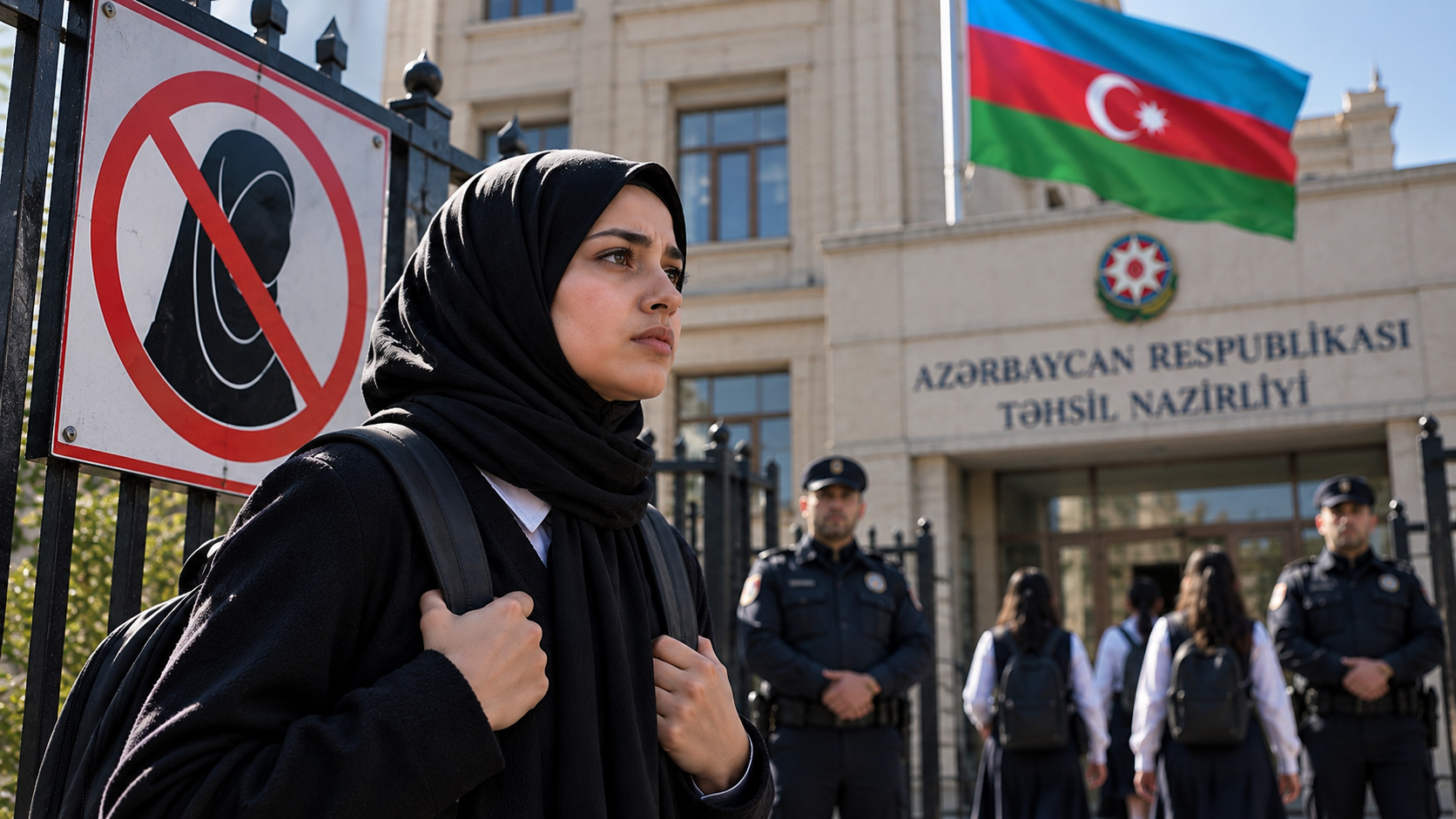
The controversy erupted after new school uniform regulations came into effect on October 12, effectively preventing girls and female teachers from wearing Islamic headscarves in public schools across the Muslim-majority country.
Although the regulations do not explicitly mention the hijab, schools have interpreted them as prohibiting religious head coverings, leaving Muslim girls facing a choice between their faith and their education.
The restrictions have sparked demonstrations across Azerbaijan, prompted protests in other countries and triggered an unusually public diplomatic dispute with neighbouring Turkey.

Amnesty condemns crackdown
In a statement on October 16, Amnesty International accused the Azerbaijani authorities of suppressing peaceful dissent and violating the rights of Muslim women and girls.
Subscribe to our newsletter and stay updated on the latest news and updates from around the Muslim world!
Marie Struthers, Amnesty International’s Eastern Europe and Central Asia Director, said: “Denying girls access to classrooms because they wear a hijab is discriminatory and violates their rights to education, and the freedoms of religion and expression. The secular character of public education doesn’t justify a blanket restriction on religious dress.”
Amnesty called for the immediate reversal of the restrictions and demanded the unconditional release of anyone detained solely for peacefully exercising their rights.
According to Azerbaijan’s Interior Ministry, 37 people were detained in the capital, Baku, on October 12, although activists have reported more than 200 detentions nationwide. Most of those arrested were subsequently released, but the number still being held remains unclear.
Among those detained was Gudrat Abdullayev, who received 25 days of administrative detention over a TikTok post.
Another protester, Rafael Huseynzade, was detained for 30 days after writing a slogan demanding freedom for the hijab on a school building.
Amnesty also highlighted the case of Shahizyar Huseynova, a mother who was detained after protesting outside a Baku school where her daughter had been refused entry because of her headscarf.
Meanwhile, Ilkin Huseynov, an activist who established a free online education initiative for children excluded from schools, reportedly disappeared on October 14 after leaving his home with unidentified individuals. His whereabouts have not been independently established.
The unrest has not been entirely peaceful. Authorities also detained six minors suspected of attempting to set fire to a school, while a criminal investigation was opened into actions allegedly disrupting public order.
However, Amnesty has insisted that those engaged in peaceful protest must not be punished for exercising their fundamental rights.
Muslim girls and teachers pay the price
Behind the political controversy are Muslim families whose everyday lives have been disrupted by the restrictions.
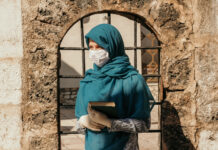
Gulshan Aliyeva, an English teacher with 23 years of experience, told Al Jazeera that she and her daughter were both refused entry to their schools in Baku because they wore headscarves. Aliyeva said she wanted to continue teaching without having to abandon her religious convictions.
She argued that Azerbaijan’s employment laws prohibit discrimination and said she intended to challenge the restrictions through the appropriate authorities.
Another teacher, Zahra Hasanova, described her distress after being told that she could no longer wear her hijab at school. She stressed that wearing the headscarf was her personal choice and that any decision to remove it should also be hers.
Videos circulating on social media have shown distressed schoolgirls crying after being turned away from classrooms, while some pupils have reportedly boycotted lessons in solidarity with affected teachers and classmates.
In one widely circulated video, a schoolgirl described being separated from other pupils and placed in a small room because of her headscarf.
Imprisoned journalist punished after hijab protest
The crackdown has also reached Azerbaijan’s prison system.
Polad Aslanov, an imprisoned journalist and editor, has reportedly been placed in a punishment cell after launching a hunger strike against the school hijab restrictions.
According to reports published on October 19 by Caucasian Knot and Meydan TV, Aslanov began refusing food in protest against the treatment of Muslim schoolgirls, including his own 13-year-old daughter.
His wife, Gulmira Aslanova, said prison officials informed her that he had been placed in a punishment cell because of his hunger strike and that his telephone contact had been restricted. She expressed concern about his health and argued that he should instead be receiving medical supervision.
The reports have not been independently confirmed by prison authorities.
Aslanov, who was convicted of treason in 2020, has maintained his innocence. His case has previously attracted concerns over press freedom in Azerbaijan.
Azerbaijan defends secular school rules
The Azerbaijani government has defended the new regulations, arguing that public education must remain secular and that pupils should comply with established uniform requirements.
The country’s constitution defines Azerbaijan as a secular state, while also guaranteeing freedom of conscience and religion.
Zahid Oruj, chairman of the human rights committee of Azerbaijan’s parliament, told Al Jazeera that the measures were not intended to discriminate against religious believers.
He said headscarves remained permissible outside schools and that the objective was to maintain consistent uniform standards within educational institutions.
Azerbaijan’s state broadcaster has also defended the restrictions as part of protecting the country’s national identity from external cultural and religious influences.
Supporters of the measures argue that Azerbaijan must preserve its secular traditions and resist attempts to import foreign religious practices, particularly from neighbouring Iran.
International protests and tensions with Turkey
The controversy has spread beyond Azerbaijan’s borders, provoking demonstrations and criticism from Muslim communities and political figures abroad.
Protesters have gathered outside Azerbaijan’s consulate in Istanbul, while schoolchildren in Beirut, Lebanon, have also demonstrated against the restrictions.
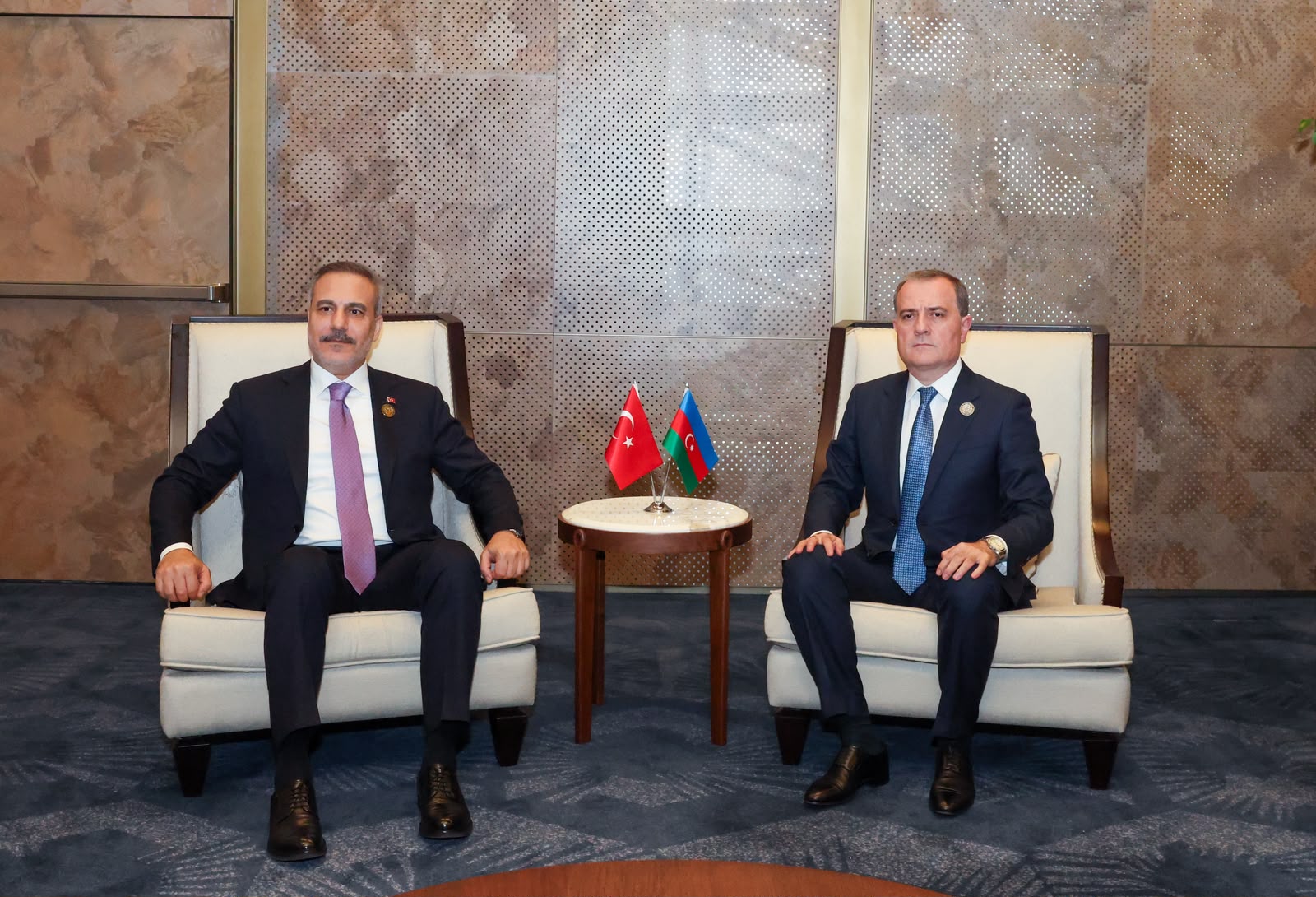
The dispute has been particularly sensitive in Turkey, Azerbaijan’s closest regional ally, where restrictions on Islamic headscarves were once a major political controversy.
Oktay Saral, a senior adviser to Turkish President Recep Tayyip Erdogan, criticised the Azerbaijani decision and urged Baku to reverse course.
Turkish parliamentarians, including members of Erdogan’s governing Justice and Development Party, have also condemned the exclusion of hijab-wearing girls from education.
Azerbaijan’s ruling New Azerbaijan Party responded angrily, accusing Turkish politicians of interfering in its domestic affairs.
The party argued that no Muslim-majority country had the right to impose its views on another.