


Roshan Muhammed Salih argues that five years after the Taliban returned to power, Afghanistan is more Islamic, largely at peace and free from foreign occupation — achievements routinely overshadowed by relentless Western criticism of its government.
Five years after the Taliban returned to power in Afghanistan, the country continues to be portrayed in overwhelmingly negative terms by the Western media.
Much of that coverage focuses, sometimes almost exclusively, on the treatment of women and girls. And while the restrictions on female education and employment are serious issues which Muslims themselves should not shy away from criticising, they cannot constitute the entirety of our assessment of Afghanistan today.
There is another story which deserves to be told.
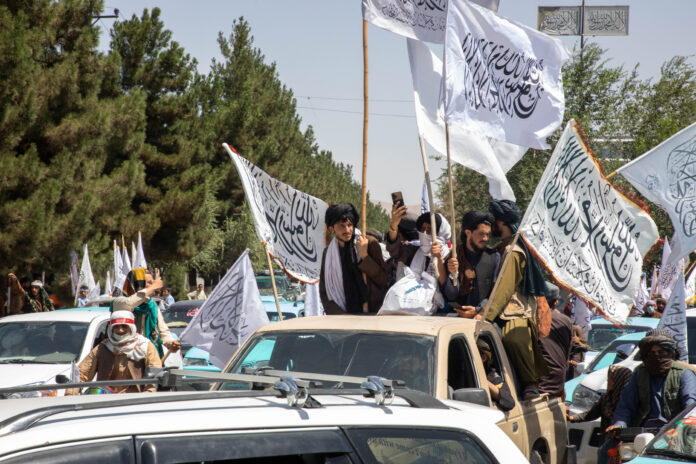
My overwhelming feeling, five years after the Taliban took Kabul, is one of pride and admiration for a movement which defeated the United States and NATO and brought 20 years of foreign occupation to an end.

For two decades, the world’s most powerful military alliance occupied one of the poorest Muslim countries on earth. Tens of thousands of Afghans were killed, families were displaced, homes were destroyed and a political system heavily dependent on Western military and financial support was imposed upon the country.
But ultimately, despite all their military power and trillions of dollars spent, the Americans and their allies were forced to leave.
Subscribe to our newsletter and stay updated on the latest news and updates from around the Muslim world!
For me, therefore, the most fundamental achievement of the past five years is sovereignty.
Afghanistan is once again governed by Afghans. It is no longer occupied by racist and Islamophobic Americans, British or other Western powers who presumed that they knew what was best for Afghanistan and attempted to reshape an overwhelmingly Muslim society according to their own political and cultural priorities.

The achievement of peace
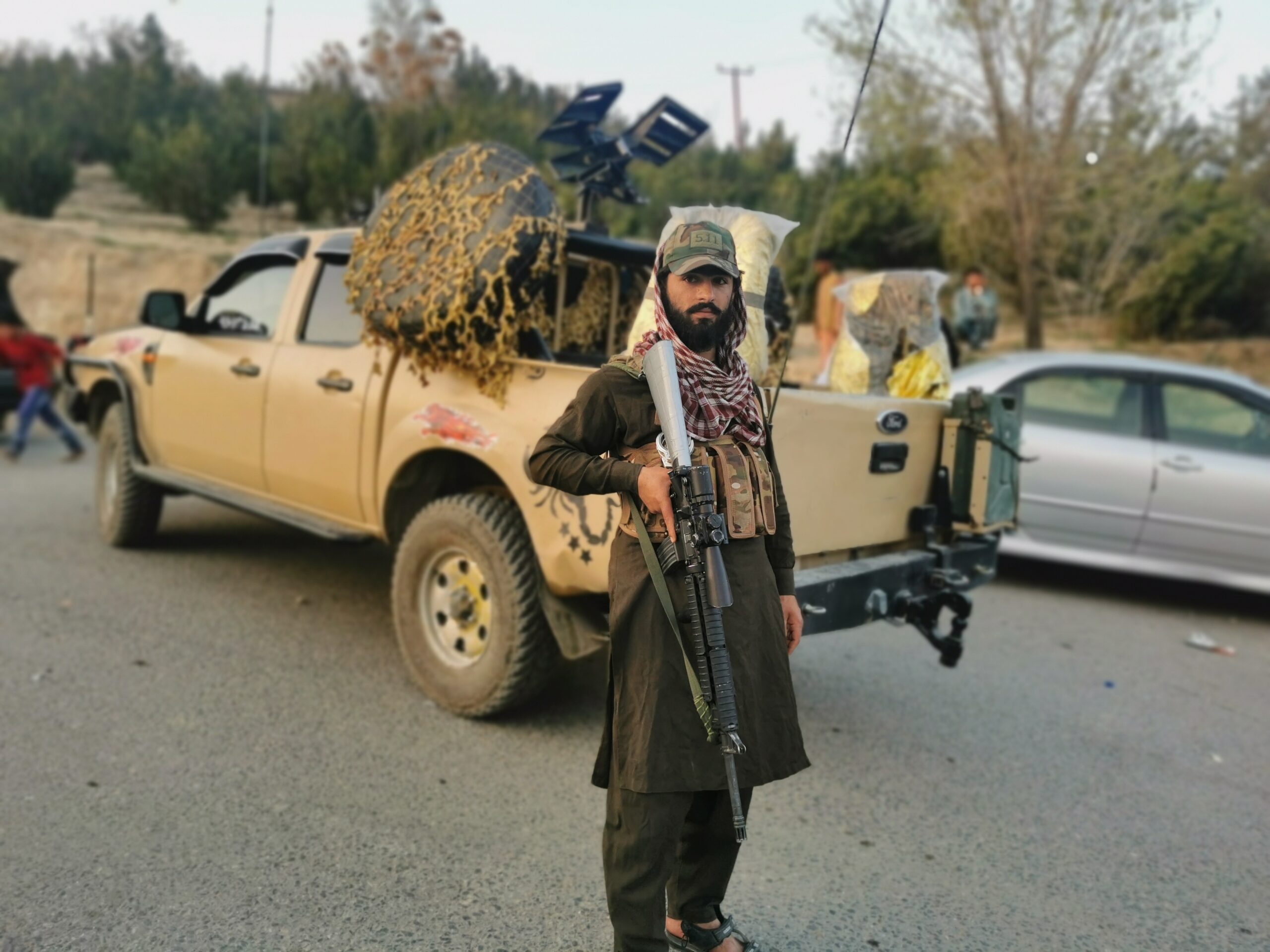
Perhaps the Taliban’s greatest achievement in government has been the restoration of security and stability.
Afghanistan experienced approximately four decades of almost continuous warfare — from the Soviet invasion and occupation, through civil war, the first Taliban government and finally the American-led invasion and occupation which began in 2001.
There were periods when horrific numbers of Afghans were being killed every single day. Today, that level of bloodshed has dramatically declined.
Of course, Afghanistan is not completely free of violence. Security incidents and attacks still occur. But compared with the relentless warfare of previous decades, they are relatively rare.
This transformation should not be underestimated.
For those of us sitting safely in Britain, peace can easily be taken for granted. For Afghans who have spent much of their lives surrounded by bombs, airstrikes, checkpoints, insurgency and warfare, the ability simply to live without the constant prospect of violent death is an enormous achievement.
And that security has transformed everyday life in other ways.
People can travel around the country and conduct their daily lives much more easily, during the day and at night. Businesses can operate and people can travel between different parts of Afghanistan without navigating the insecurity associated with the war years.
Women, too, benefit from the dramatic improvement in general security and can move around without facing the same dangers associated with decades of conflict and instability.
An Islamic government that believes in Islam
But there is another aspect of Afghanistan which particularly strikes me as a Muslim.
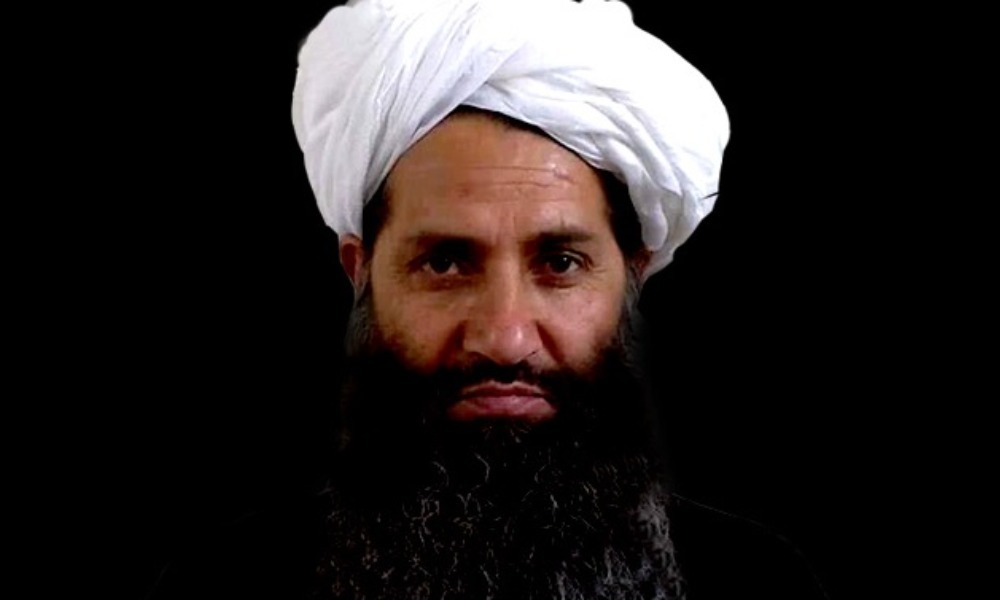
Of all the Muslim countries I have visited, I feel strongly that Afghanistan has a leadership which genuinely loves Islam and genuinely wants to construct an Islamic society.
That may sound obvious. The Taliban call their state the Islamic Emirate of Afghanistan, after all.
But across the Muslim world, we know how meaningless Islamic terminology can become in the hands of governments.
Many Muslim countries are ruled by corrupt elites who enrich themselves, serve foreign interests or treat Islam as little more than a tool of political legitimacy. Even among governments which are considerably better than this, corruption, political expediency and a willingness to compromise Islamic principles remain commonplace.
Whatever else one thinks about the Taliban, I do not get the impression that Islam is merely a branding exercise for them. They take their religion seriously.
Their leadership genuinely appears to believe that Islam should shape society and government, and they are attempting — successfully in some areas and unsuccessfully in others — to put that belief into practice.
For Muslims living in an age when so many of our governments seem embarrassed by Islam, subordinate themselves to foreign powers or readily compromise Islamic principles for political convenience, that sincerity should count for something.
Rebuilding Afghanistan
Another striking development is the amount of construction taking place.
This is particularly visible in Kabul, where new roads are being built, existing roads improved, and bridges and other infrastructure projects constructed.
After decades in which Afghanistan became synonymous with destruction, it is significant to see Afghans building rather than watching their country being bombed.
There has also been the Taliban’s campaign against Afghanistan’s drugs industry.
The dramatic reduction in opium cultivation represents a significant development for a country which for decades was the world’s dominant producer of illicit opium. Alongside this, programmes have been established attempting to rehabilitate drug addicts and return them to ordinary life.
These achievements receive nothing like the international attention afforded to Afghanistan’s failures.

Female education
But admiration should never mean blind loyalty. And there is one issue on which I believe the Taliban have got things seriously wrong: female education.
Five years after taking power, restrictions on the education of Afghan women and girls remain a major failure.
There is not a blanket prohibition on every form of female education or employment. Afghan women continue to study and work in certain sectors and circumstances. Nevertheless, severe restrictions remain, particularly when it comes to secondary and higher education.
This has understandably damaged perceptions of the Taliban not only in the West but among Muslims around the world.
And this is important because criticism of these policies cannot simply be dismissed as Western liberalism or hostility towards Islam. Muslims themselves have legitimate concerns.
We do not need Afghanistan to reproduce the Western model of education. An Islamic society has every right to construct an education system consistent with its religion, morality and social values. But Muslim women must be educated.
No Muslim society can reach its potential while half its population is denied adequate educational opportunities.
Women are half of the Ummah. They are also the mothers and educators of future generations. An Islamic society needs knowledgeable Muslim women just as surely as it needs knowledgeable Muslim men.
Importantly, this is not simply an argument between the Taliban and the West. There are differences within the Taliban itself over female education, with the more restrictive position associated with the leadership in Kandahar prevailing for the moment.
I sincerely hope that, with time, this changes.
The economic challenge
The second major problem is economic.
Ordinary Afghans, particularly young people, still struggle to find employment.
The situation has improved in some respects, but unemployment and poverty remain serious problems. Afghanistan also remains relatively isolated internationally and faces sanctions and other restrictions which inevitably constrain its economic development.
A lack of opportunities is one reason many young Afghans continue to leave the country. They want what young people everywhere want: jobs, financial security and the ability to provide for their families.
If the Islamic Emirate is to consolidate its achievements, creating a functioning economy capable of providing opportunities for its young population must therefore be a priority.
Final thoughts
So where does Afghanistan stand five years after the Taliban returned to power?
The answer is considerably more complicated than the caricature presented to us by much of the Western media.
The Taliban have their faults, and Muslims should have the confidence to acknowledge them. The restrictions on female education are particularly difficult to justify and should change. Poverty, unemployment and international isolation remain enormous challenges.
But these failures should not erase what has been achieved.
A foreign occupation has been expelled. Afghanistan has regained its sovereignty. A devastating war has largely ended. Security has dramatically improved. Afghans can travel around their country again. Infrastructure is being constructed. Opium cultivation has been dramatically reduced. And a leadership which genuinely appears to believe in Islam is attempting to build a society around it.