


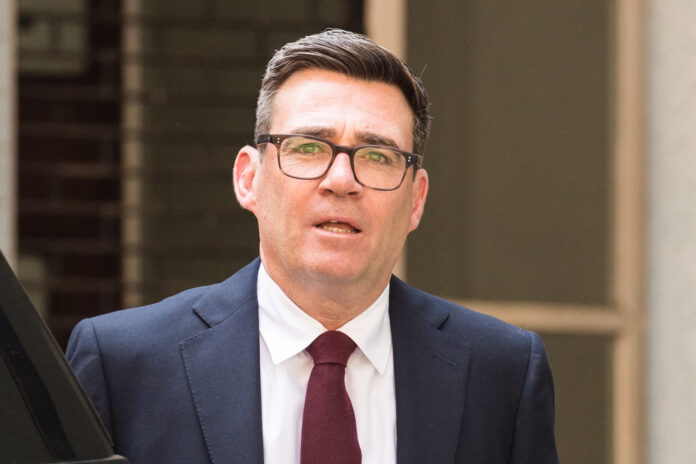
Labour wants British Muslims to believe Andy Burnham marks a new beginning. But given Iraq, Gaza and years of broken trust, scepticism and demands for concrete action remain the only sensible response for us, writes Roshan Muhammed Salih.
Andy Burnham is replacing Keir Starmer as Prime Minister today.
But for British Muslims, the real question is whether he represents a genuine change in Labour’s relationship with our community or merely a change in tone.
His recent statements on Gaza have given Muslims reason for cautious optimism. Yet his long political record — including his support for the disastrous invasion of Iraq — provides equally strong reasons for scepticism.
More fundamentally, should British Muslims abandon the independent political strategy they have painstakingly developed over recent years simply because Labour has changed its leader?

Labour’s relationship with Muslims is broken
Keir Starmer’s leadership left Labour’s relationship with British Muslims in ruins.
Subscribe to our newsletter and stay updated on the latest news and updates from around the Muslim world!
His refusal to call for an immediate ceasefire during the early months of Israel’s assault on Gaza, combined with comments justifying Israel’s siege, convinced many Muslims that Labour was complicit in Israel’s genocide,
The electoral consequences were profound – independent candidates defeated Labour MPs in several constituencies in the 2024 General Election, while many previously safe Labour seats saw dramatic swings against the party.
Burnham appears to recognise that reality.
He has publicly admitted that Labour “didn’t get it right” on Gaza and apologised for the party’s initial response. He has also argued that Britain should place greater pressure on Israel through sanctions and restrictions on trade with illegal settlements.
Unlike Starmer, Burnham joined calls for a ceasefire relatively early during the conflict and has consistently adopted a more empathetic tone towards Palestinian suffering.
For many Muslims, this is a welcome change. But words alone cannot repair trust.
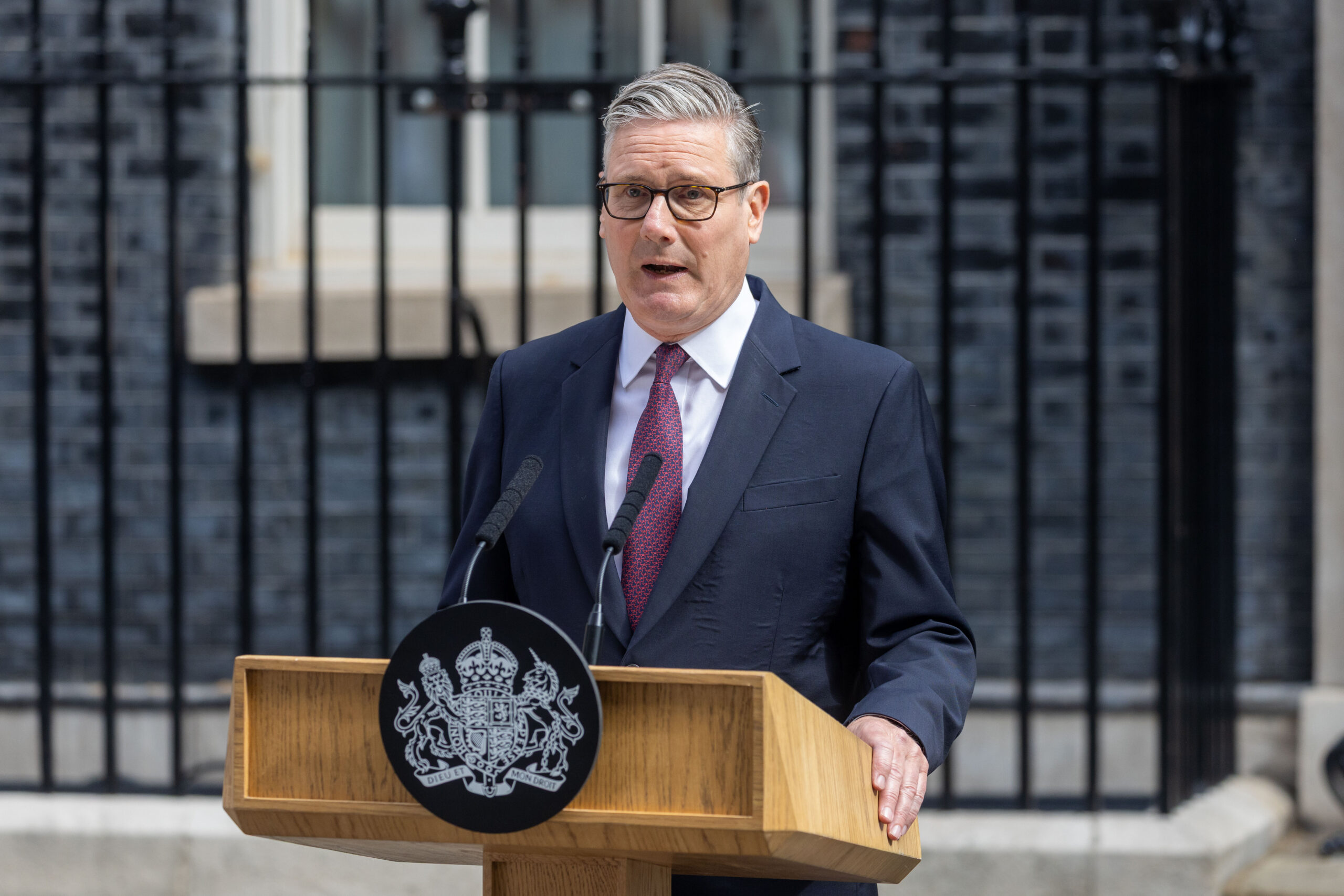
A better communicator — but is he a different politician?
Burnham has always been a stronger political communicator than Starmer. As Mayor of Greater Manchester, he built good relationships with Muslim communities, regularly spoke against Islamophobia and projected a more approachable and less managerial style of leadership.
Politics is partly about trust, and Burnham undoubtedly appears more comfortable engaging with Britain’s Muslim communities than his predecessor ever did.
However, personality should never be confused with policy.
Although Burnham has adopted a more critical position towards Israel, he has stopped short of describing Israel’s actions as genocide, arguing instead that such determinations should be left to international courts.
Nor has he yet committed himself to the kind of sweeping policy changes many Muslims want to see.
We want to see Israel sanctioned, we want to see ties completely cut, we want to see an end to arms exports, we want to see Israeli officials banned from the UK. And Burnham will do none of that.
Iraq remains the defining stain
But the greatest obstacle to Burnham winning Muslim trust is not Gaza. It is Iraq.
Burnham voted in favour of Britain’s invasion of Iraq in March 2003, supporting one of the most catastrophic foreign policy decisions in modern British history. He also subsequently voted against investigations into the war.
The invasion and occupation devastated Iraq, killed hundreds of thousands of people, displaced millions, fuelled sectarian conflict and destabilised the Middle East for a generation.
For many Muslims, Iraq remains the defining moral failure of Britain’s political class.
Burnham has since acknowledged that, with hindsight, he would not have voted the same way and has criticised the way the war was conducted. That is preferable to denying responsibility, but regret does not erase accountability.
British Muslims are entitled to ask whether Burnham’s thinking has genuinely changed or whether Iraq has simply become politically inconvenient to defend.
His future decisions on Palestine, Iran and Britain’s relationship with the United States will answer that question far more convincingly than retrospective apologies.
There is also a danger that some Muslims overstate how different Burnham really is.
He emerged from New Labour. He served in Blair and Brown’s governments. He supported interventionist foreign policy during much of his parliamentary career and backed many of Labour’s national security policies.
He is not Jeremy Corbyn. He is not George Galloway. Nor does he present himself as an anti-establishment politician seeking to overturn Britain’s foreign policy consensus.
If Burnham represents change, it is likely to be a matter of degree rather than a complete transformation.

What do British Muslims actually want?
This raises an even bigger strategic question: should British Muslims simply return to Labour because Burnham has replaced Starmer?
Our own readers suggest the answer is overwhelmingly no.
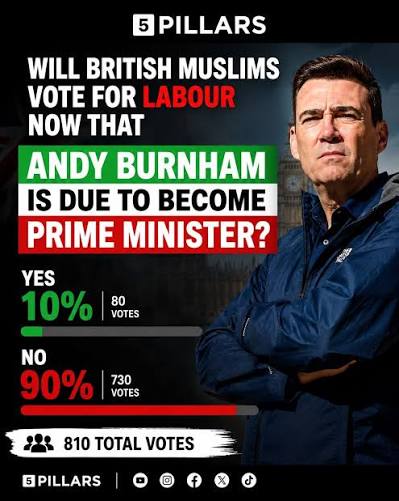
A recent 5Pillars poll of 810 respondents found that approximately 90% said they would not consider voting Labour under Andy Burnham.
It was not a scientific survey of British Muslims as a whole, but it does reveal something important. Trust, once broken, is extraordinarily difficult to rebuild.
Muslims no longer see Labour’s problem as simply Keir Starmer. They see it as institutional.
Independence, not party loyalty
For several years, an alternative political strategy has begun emerging within Britain’s Muslim community. Its central principle is straightforward – British Muslims should not give permanent loyalty to any political party and their relationship with them should be transactional.
Labour should no longer be regarded as the default political home of Muslim voters. Instead, Muslims should build genuine political independence.
That means supporting candidates who consistently defend justice, oppose wars against Muslim countries, speak out for Palestine and stand against Islamophobia — regardless of which party they belong to.
So in constituencies where credible independent candidates can realistically win, Muslims should continue investing in independent political representation.
The success of pro-Palestine independents has already demonstrated that Labour can no longer take Muslim votes for granted. Building on those successes could eventually create a genuinely independent Muslim political voice in Westminster.
Political independence, however, does not mean ideological rigidity because not every constituency can elect an independent MP. In seats where an independent has little realistic chance of winning, British Muslims may still need to vote tactically. That could mean supporting left-wing candidates with strong records.
It could mean backing Green candidates. It could mean voting for other independents or local candidates who have earned community trust. Perhaps it could also mean voting for a Lib Dem or Labour candidate in extreme, limited circumstances?
However, one consideration cannot be ignored – the rise of Reform UK.
Reform is openly hostile to Muslim communities and deeply opposed to multicultural Britain. Preventing a Reform victory in the next General Election is therefore a strategic electoral objective for us. And that means political strategy should remain flexible.
As for Andy Burnham, if he wants our trust it should be earned and his premiership should be judged by measurable actions.
Will he end British complicity in Israel’s assault on Gaza? Will he halt arms sales? Will he sanction Israel? Will he abolish Prevent? Will he seriously tackle institutional Islamophobia? Will he defend civil liberties and the right to protest? Will he resist future military interventions in Muslim countries?
These questions matter far more than campaign speeches or carefully chosen rhetoric.