


Twenty-five years after 9/11 unleashed the War on Terror, Muslims remain under unprecedented attack — but the pressure has also forged a stronger, more confident and unapologetically Muslim community, writes Roshan Muhammed Salih.
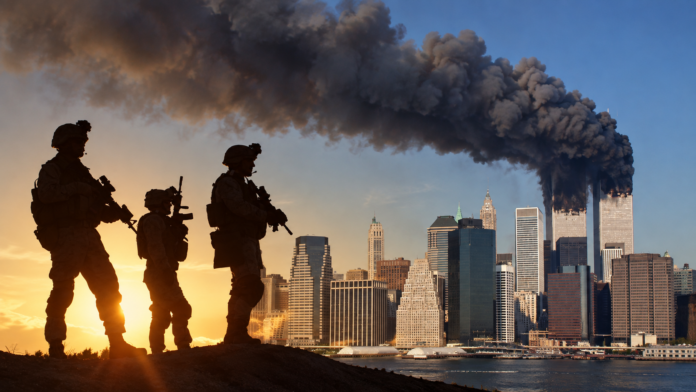
Twenty-five years ago, I sat in the newsroom at London Weekend Television and watched as planes flew into the Twin Towers in New York.
Like everyone around me, I was shocked by the scale and audacity of the attacks and appalled by the loss of innocent life. But as a young Muslim journalist, I was thinking something else too: Muslims are going to pay a terrible price for this.
I suspected almost immediately that Bin Laden was responsible having followed his career for a while, but I was also sceptical from the beginning. How could such an extraordinary attack happen without a massive and suspicious security failure? I later came to believe that aspects of the US deep state knew an attack was coming but let it happen so they could pursue their regime change projects in the Middle East.
But whatever the full truth of 9/11, I knew as I watched those towers burn that this was a seminal moment. I feared the actions of one organisation would be blamed not simply on Al-Qaeda, but on Islam and Muslims as a whole.

What I couldn’t have imagined was the scale of what was to come.
The ‘suspect community’
Subscribe to our newsletter and stay updated on the latest news and updates from around the Muslim world!
Islamophobia existed before 9/11. Racism existed. Muslims certainly weren’t living in some golden age. But looking back, I think Britain was a better and freer place to be Muslim.
We weren’t yet the “suspect community” we would become. Muslims could organise, campaign and speak about foreign policy relatively freely without constantly wondering whether their words might be interpreted through the prism of “extremism.”
Even on September 11 itself, I was conscious of what I could say.
My colleagues at LWT never treated me badly or with suspicion. Most non-Muslims, in my experience, are decent people who aren’t inherently racist or Islamophobic. But I self-censored.
While my colleagues concentrated on the horror unfolding in New York, I was also thinking about context: American foreign policy, the devastating sanctions imposed on Iraq after the first Gulf War, the presence of US troops in Saudi Arabia and previous American interventions in the Muslim world.
I knew that expressing those thoughts too forcefully at that particular moment could easily be interpreted as somehow excusing what had happened.
But explaining why something happens isn’t the same as justifying it. That distinction would become increasingly difficult to make over the next 25 years.
The War on Terror
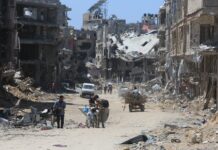
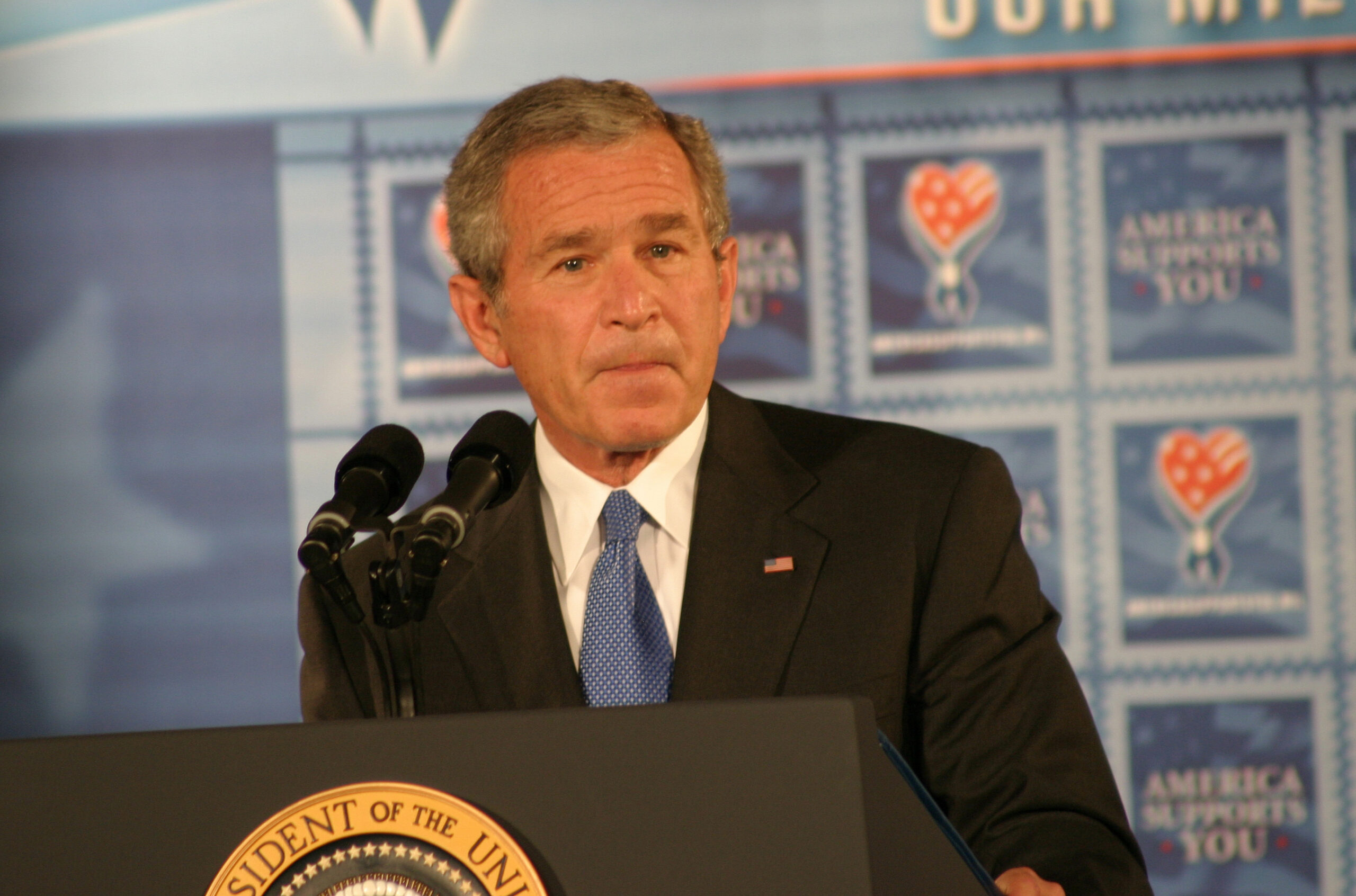
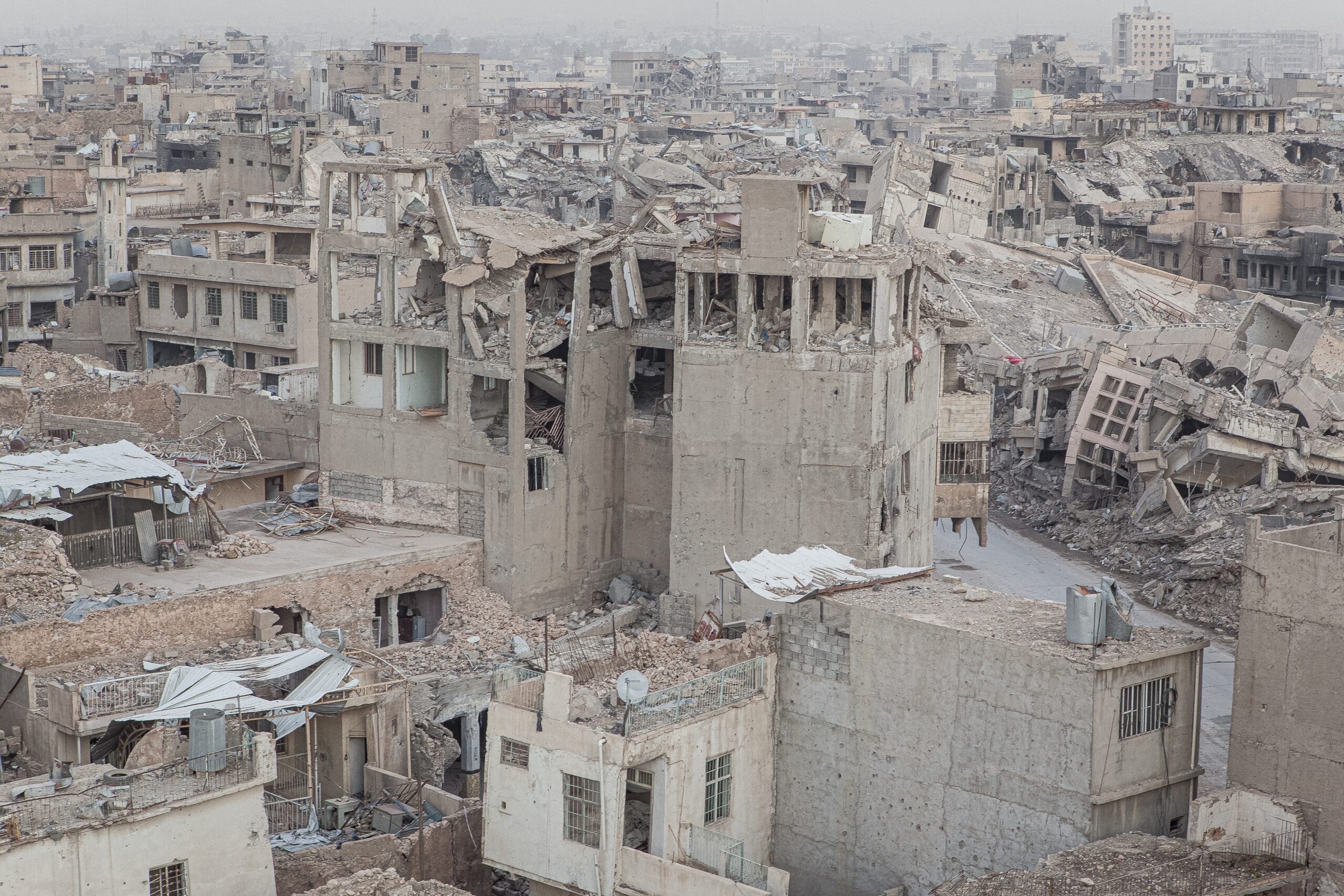
9/11 unleashed the War on Terror. Afghanistan was invaded, followed by Iraq. We saw Guantánamo Bay, torture, rendition and wars which killed, maimed and displaced huge numbers of Muslims.
At home, meanwhile, Muslims increasingly became viewed through a security lens.
Prevent, Schedule 7 airport questioning, control orders, surveillance, scrutiny of mosques and charities: slowly an infrastructure developed around the idea that there was something within the Muslim community that needed to be watched and managed.
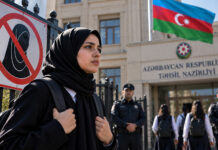
Even Muslim children could find themselves referred through counter-extremism structures because of things they said at school.
And ordinary Muslims were continually expected to condemn atrocities with which they had absolutely nothing to do.
I remember a journalist from The Sun phoning me after a terrorist attack in London and asking me to condemn it. Why me? I hadn’t committed the attack. I didn’t know the attackers. I didn’t support them. Yet somehow I was expected to answer for them simply because we both called ourselves Muslims.
That became one of the defining features of the post-9/11 era: the constant conflation of individual terrorists with the wider Muslim community.
Were we secretly extremists? Secret terrorists? Secret misogynists? Secret wife-beaters? Were we really loyal to Britain?
Islam itself was placed in the dock.
Iraq and the 7/7 blowback
Then came Iraq. For many British Muslims, the invasion destroyed enormous amounts of trust in the British state and mainstream media.
We watched our country participate in an invasion of a Muslim nation that we considered profoundly unjust, while much of the media helped beat the drums of war.
And then, on July 7, 2005, the consequences came home.
Let me be absolutely clear. Murdering innocent civilians on buses and trains was terrorism. It was haraam. The bombers were murderers and their actions were illegitimate according to the Islam I follow and that the overwhelming majority of Muslims follow.
But I also believed 7/7 was blowback from Iraq. Those two positions aren’t contradictory.
British foreign policy didn’t justify terrorism, but it provided the political context in which radicalisation took place. In fact, I had feared attacks like 7/7 would happen because of the immense anger Iraq had generated.
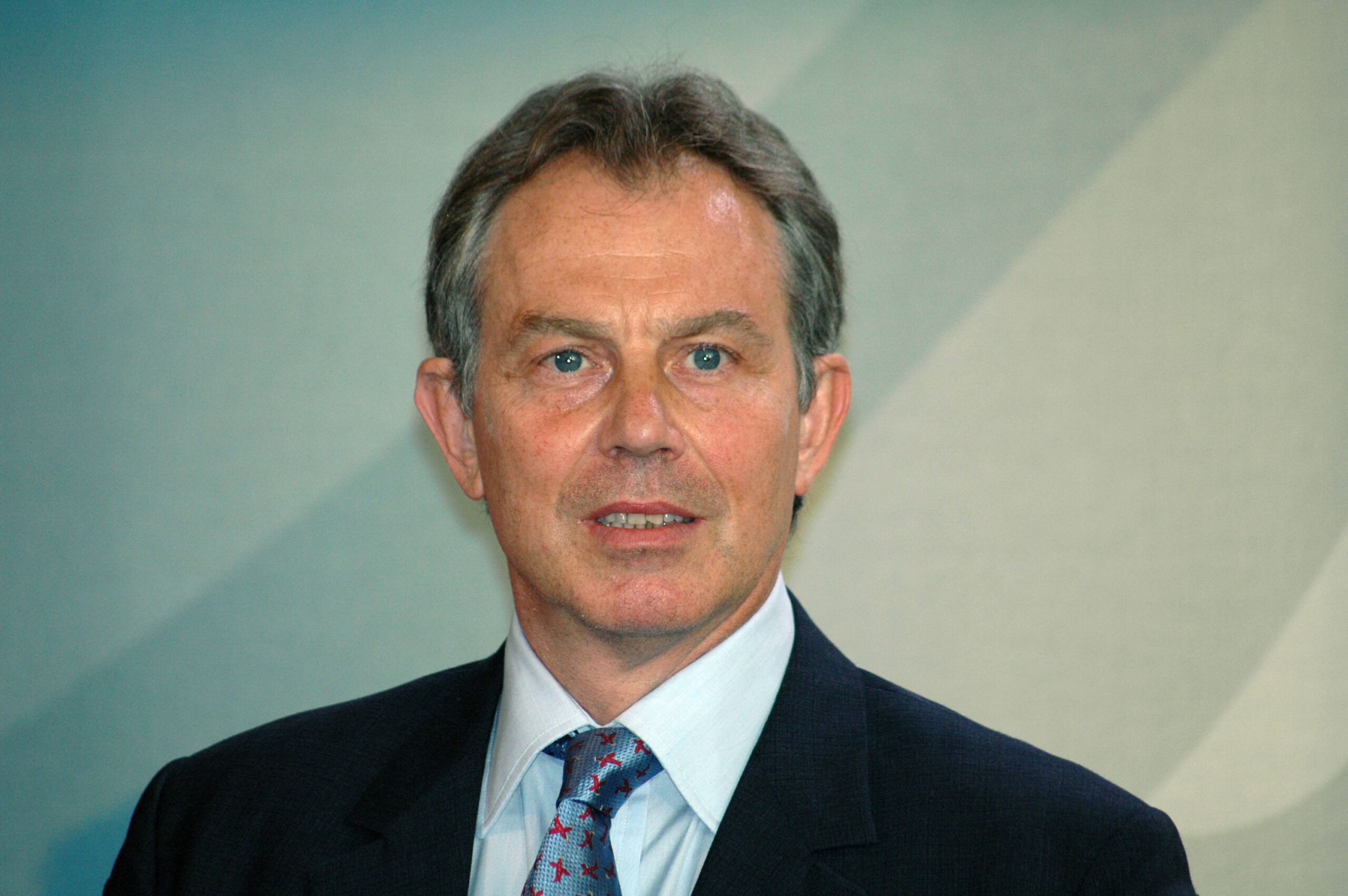
Yet rather than seriously confront that context, Tony Blair’s government increasingly turned the spotlight onto Muslims themselves. The message was effectively: this is your problem, so you sort it out.
‘Good Muslims’ and ‘bad Muslims’
After 9/11, and particularly after 7/7, large amounts of government money became available for “deradicalisation” and counter-extremism initiatives. Some Muslim organisations rushed towards it.
But government money comes with strings attached.
The state increasingly tried to divide us into “good Muslims” and “bad Muslims”: acceptable moderates who would work within the government’s analysis of the problem, and unacceptable “extremists” who insisted on talking about Iraq, Afghanistan, Palestine and British foreign policy.
Even the Muslim Council of Britain, hardly a radical organisation, eventually found itself frozen out by government after refusing to remain silent on issues that mattered to Muslims.
Meanwhile, Prevent became toxic among large sections of the community, as did Muslim organisations facilitating it.
How the War on Terror changed me
The War on Terror changed my own relationship with Britain too.
Britain is my home. I obey its laws, pay my taxes, contribute to society and try to be a good neighbour. But I’ve never believed that means I have to wave a Union Jack, sing God Save the King or pretend British foreign policy is something it isn’t.
Later, as a journalist, I travelled to Iraq during the occupation. I saw foreign soldiers occupying an Arab and Muslim country with my own eyes. I saw American soldiers in Baghdad lording it over the local population.
Years later I travelled to Afghanistan and saw the legacy of another 20-year Western occupation: people who had lost relatives and limbs, terrible poverty and a society scarred by decades of war.
What had once been something I argued about in newsrooms became visceral.
And the post-9/11 years changed me in another way – they pushed me deeper into Islam.
When your religion and your community are constantly under attack, one response is to retreat from your identity. Mine was the opposite.
The demonisation strengthened my Islamic identity and convinced me that Muslim journalism was what I should dedicate my professional life to.
I wouldn’t overegg 9/11’s role in my personal journey. Becoming a practising Muslim was what really changed my life. But 9/11 and everything that followed undoubtedly shaped my career trajectory.
Ultimately, that journey helped lead me to 5Pillars.
And perhaps something similar happened to the British Muslim community itself.
From terrorist threat to ‘civilisational threat’
Twenty-five years later, the nature of the alleged Muslim threat has changed.
Britain is no longer occupying Iraq or Afghanistan, and I don’t believe the terrorist threat is remotely what it was during the height of the War on Terror.
Instead, Islam and Muslims are increasingly presented as a demographic, cultural and civilisational threat.
There are supposedly too many mosques. Too many migrants. Too much Islam. Sharia law is coming. Muslims aren’t integrating. Muslims are taking over Britain, despite comprising only a small minority of the population.
Islamophobic rhetoric that once inhabited the political fringes has become increasingly mainstream, and in recent years it has become more organised, better funded and more vicious.
Then came Gaza.
A new generation of British Muslims has watched its government support Israel during a genocide against the Palestinians. That has generated enormous anger, political mobilisation and another profound sense of injustice.
For me, Palestine isn’t disconnected from the post-9/11 era. I see Afghanistan, Iraq, the securitisation of Muslims at home and what is happening in Palestine today as chapters in a wider Western war against Islam and Muslims that has defined much of the past quarter-century.
The paradox: British Muslims are stronger
But there is an extraordinary paradox – British Muslims are stronger than we were in 2001.
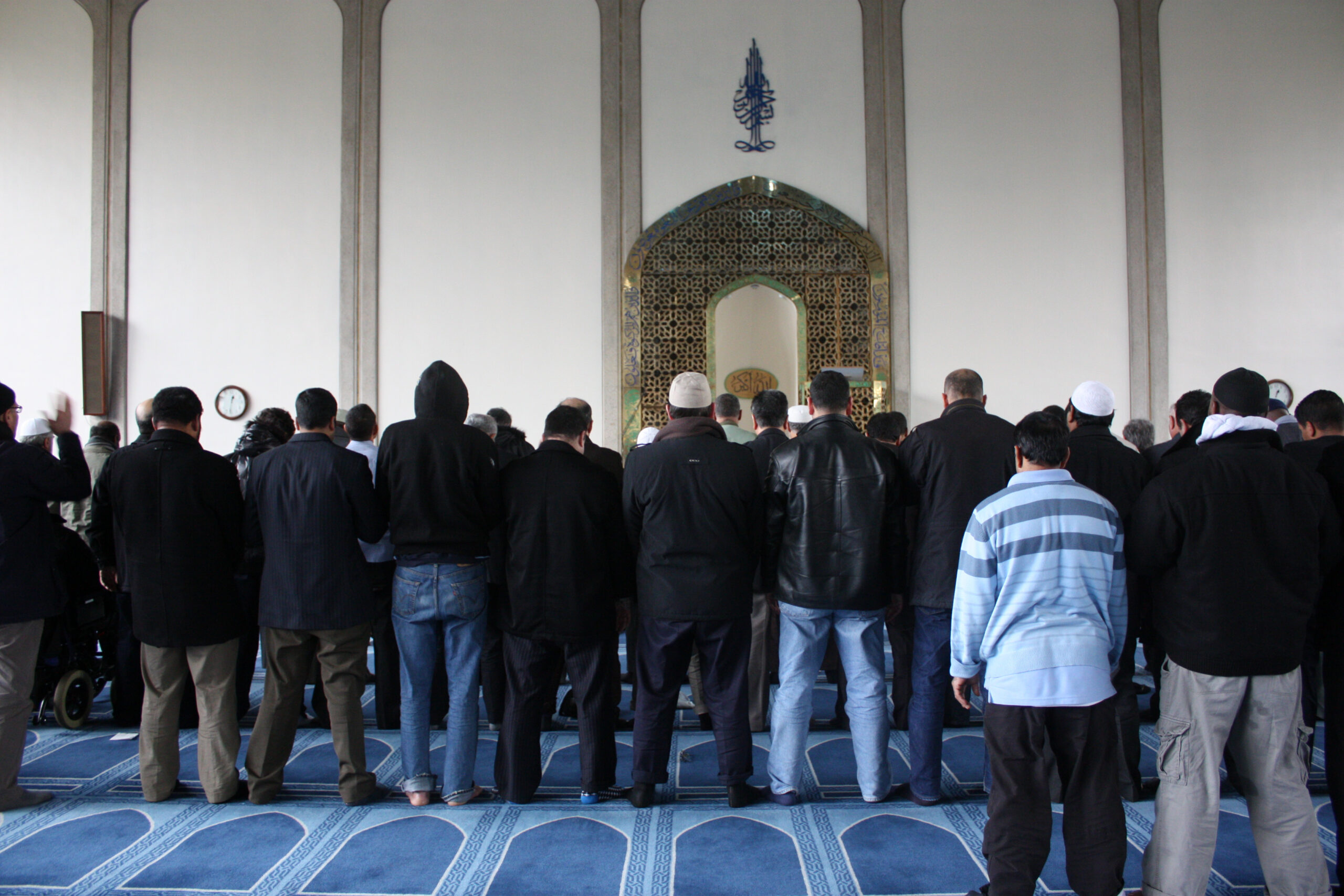
We are more of a community. We have more mosques, scholars, businesses, charities, professionals, activists, journalists and media. Strategic institutions — think tanks, waqfs, political organisations and independent Muslim media — remain nowhere near developed enough, but they exist in ways they simply didn’t 25 years ago.
We have integrated into Britain without completely assimilating into it. Our children and grandchildren are still Muslim.
We are still producing mu’mins — believers who are prepared to speak their minds even when doing so might damage their careers or reputations.
Sometimes having enemies clarifies who you are.
The pressure exerted upon British Muslims over the past 25 years forced us to ask fundamental questions about our identity, our politics and our Islam. And in many cases it made us hold onto Islam even more tightly.
Twenty-five years later
If I could walk back into that LWT newsroom today and speak to the young Muslim journalist watching the Twin Towers burn, I’d tell him that his instincts were largely right.
I’d tell him that the backlash he feared was coming, but that even he had underestimated its scale. There would be wars, occupations, torture, terrorism, surveillance, Prevent, Islamophobia and 25 years of arguments about whether Muslims really belonged in the West.
But I’d tell him something else too.
I’d tell him that the pressure wouldn’t destroy British Muslims. It would also help forge them.
And I’d tell that young journalist, consciously censoring himself because he knew he saw the world differently from many of the people around him, that one day he would run his own Muslim media organisation where he could say exactly what he thought and dedicate his journalism to serving his own community.
Twenty-five years after 9/11, I still believe we are living through the era it created. And the final chapter has yet to be written.