



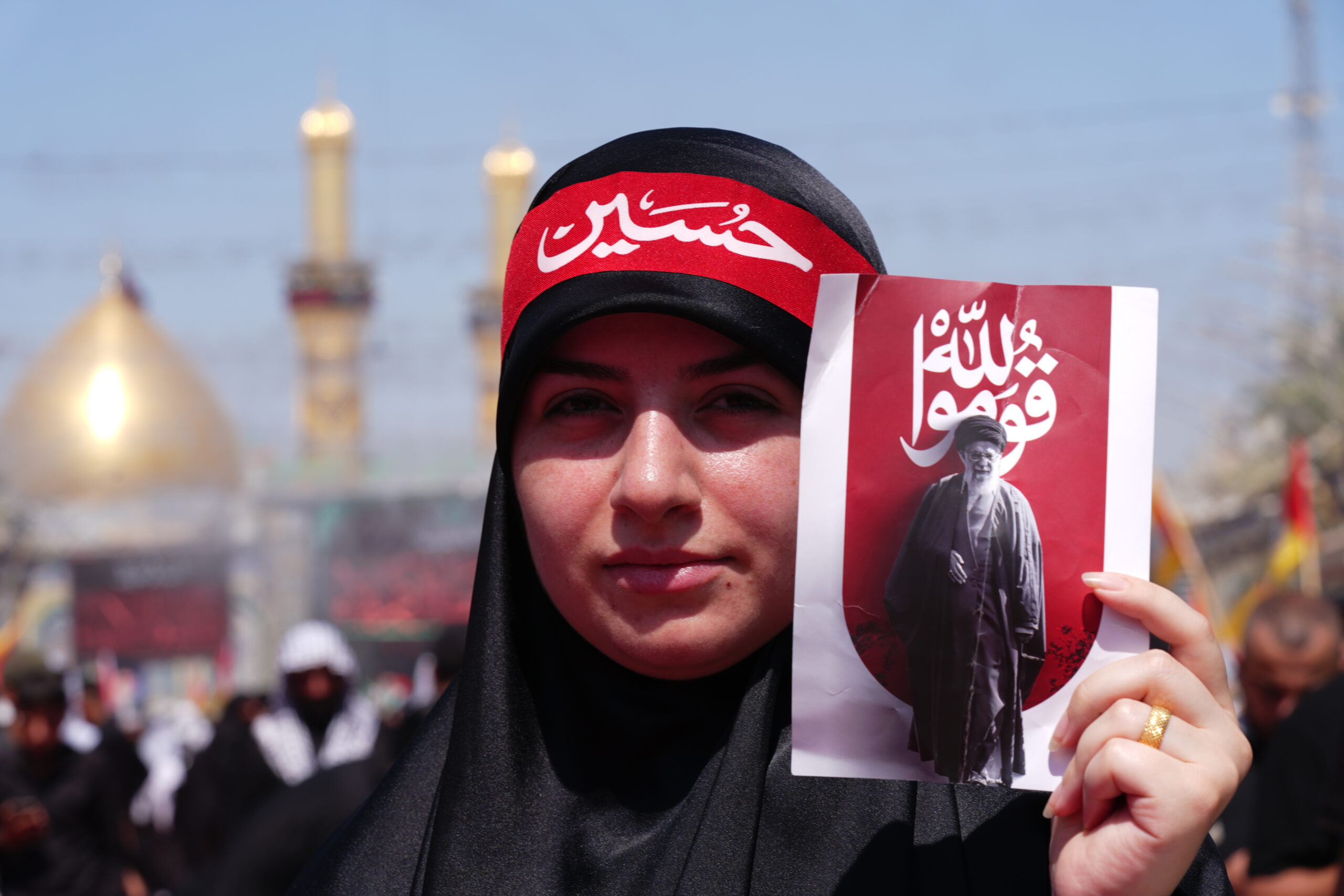
Huge crowds gathered in Mashhad, Iran, to attend the burial ceremony for the assassinated Iranian Leader Ayatollah Ali Khamenei, who was murdered in a joint U.S.-Israeli airstrike.
Aerial photos of the event showed possibly over one million holding flags and posters, gathered to participate in the ceremony. Across the region, pro-Iran Shia Muslims have been mourning in major numbers as the body of Ayatollah Khamenei is laid to rest.


Ayatollah Khamenei is expected to be buried at the Imam Reza Shrine in Mashhad, a holy site for Shia Muslims. He was more than just a political leader for the Iranian state but served as a senior religious spiritual leader for Shia Muslims globally, ranking just behind Iraq-based Shia scholar, Grand Ayatollah Ali al-Sistani, in stature. Similar gatherings were witnessed in Pakistan, Iraq and Lebanon.
The coffin of former leader was transported from Iran to Iraq prior to its arrival in Mashhad to visit the Shia holy cities Najaf and Karbala.
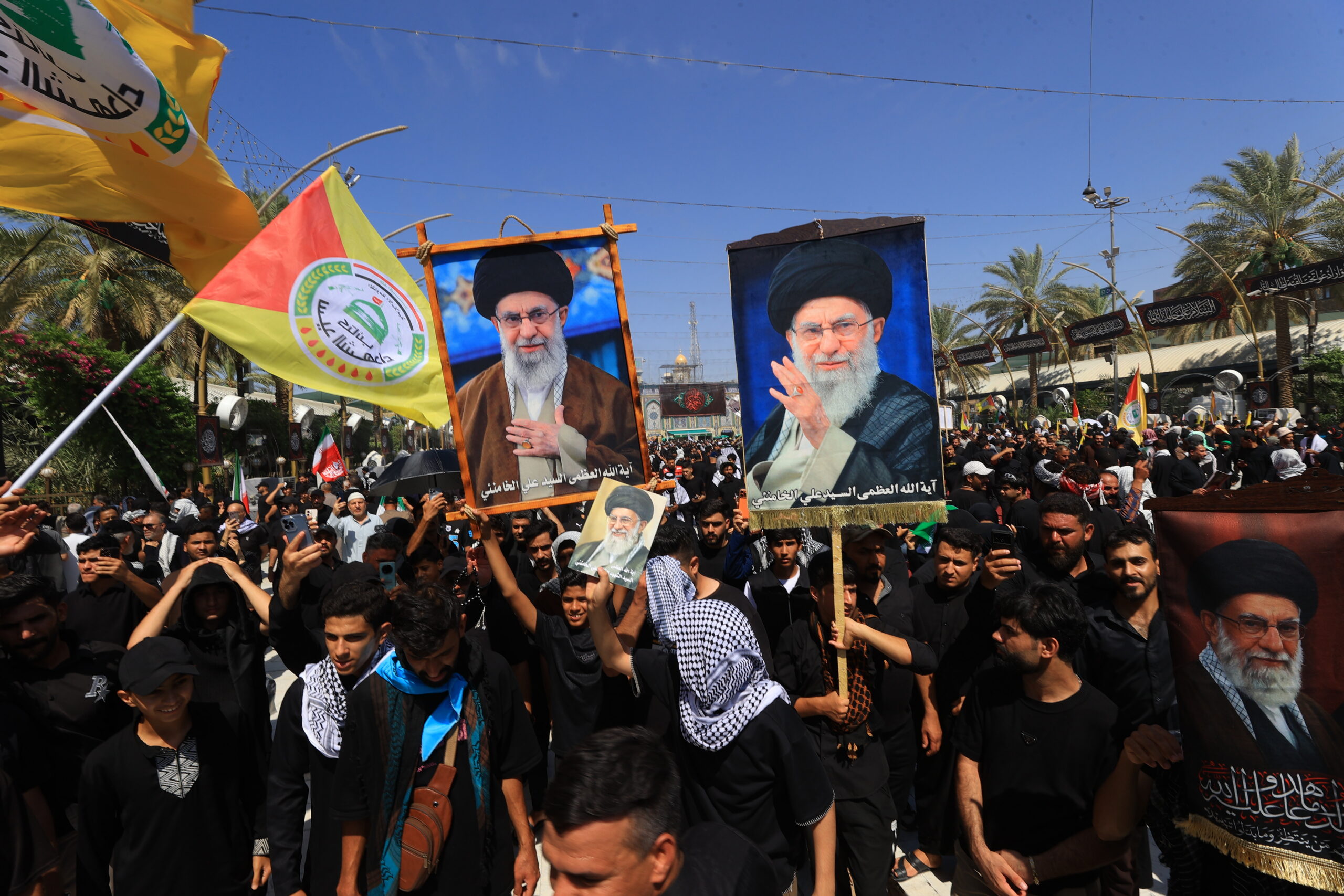
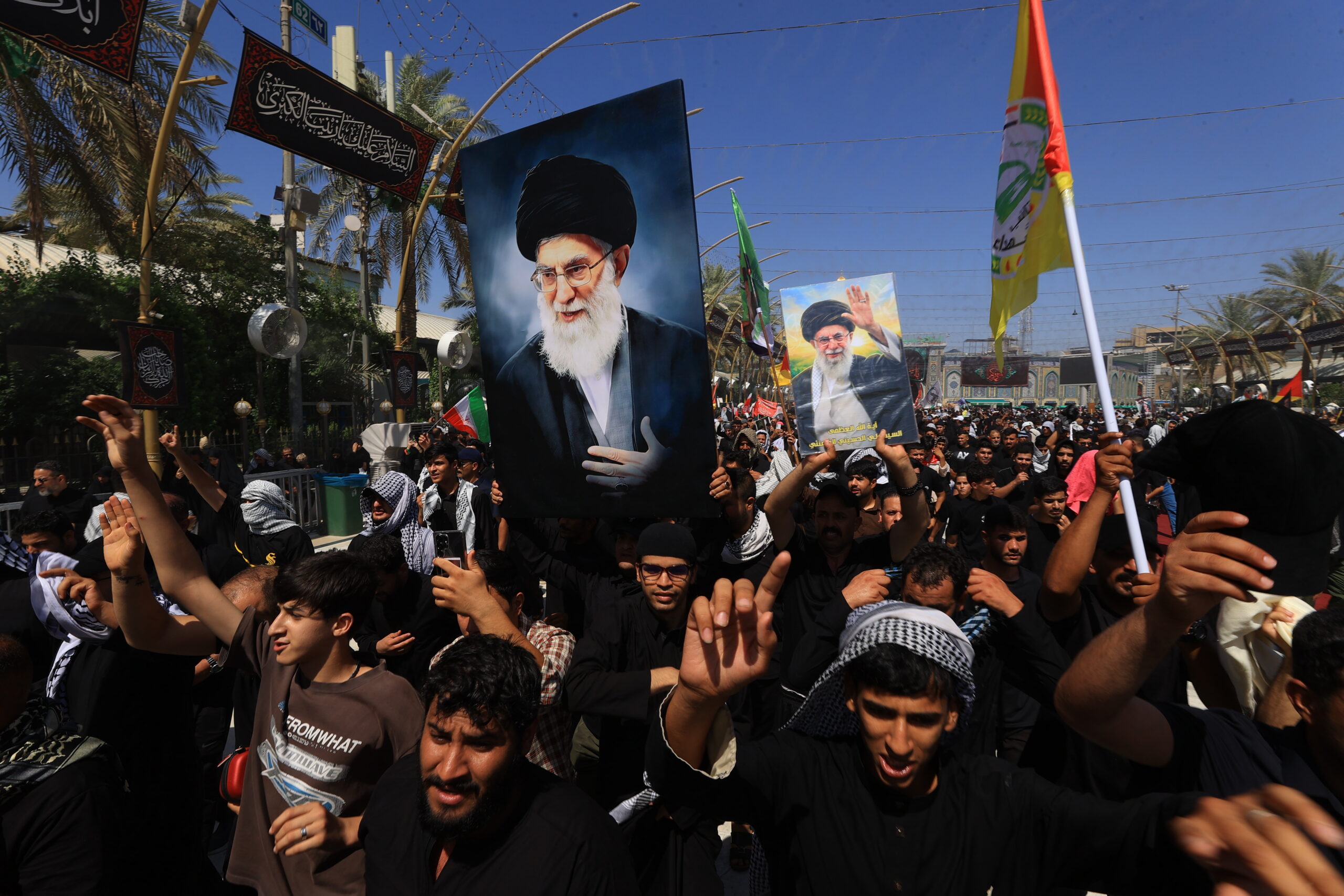
Khamenei’s legacy is complex and depending on who you ask you’ll receive a vastly different opinion. For many Muslims, he is seen as a man of principle, who remained loyal to a revolutionary anti-imperialist cause and who also helped create a regional axis which acted as a counter to U.S. and Israeli hegemony over the region.

But to others, Iran’s role is seen as negative largely due to Tehran’s involvement in the Syria Cvil War and the sectarian fighting which has plagued Iraq over the past few decades.
His stance on Palestine and willingness to support Palestinian armed groups fighting Israel has earned him fans even outside of the Islamic world as many other countries in the region have slowly abandoned Palestine in favour of normalisation.
Subscribe to our newsletter and stay updated on the latest news and updates from around the Muslim world!


As the state funeral ceremony reaches its conclusion, Iran remains in a state of conflict with the U.S. amid renewed strikes and rocket launches. Tehran warned Friday that it would retaliate against any attack on its infrastructure and that Israel would face a response, according to the Mehr News Agency.
“As we have previously announced, any attack on infrastructure will be met with retaliation in kind,” Mohammad Bagher Zolghadr, secretary of Iran’s Supreme National Security Council, said in a statement carried by the news agency.
Israel, which he said was behind the recent hostile acts, “will not be safe from the response,” he added.
Last month, Iran and the U.S. signed a memorandum of understanding under Pakistani mediation aimed at ending their military conflict and reaching a lasting peace agreement.
However, the two sides have exchanged attacks over the past two days following Iranian attacks on three commercial vessels in the Strait of Hormuz.