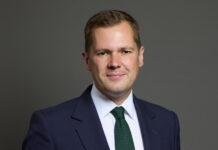




In a move that has sparked concern among Muslim communities and pro-Palestine advocates, the government has fully accepted recommendations from a review led by the pro Israel Lord John Mann aimed at addressing antisemitism and racism in the National Health Service.
The announcement, published yesterday, comes amid heightened tensions over Israel’s ongoing actions in Gaza and widespread solidarity with Palestine across the UK.
Lord Mann, the government’s independent adviser on antisemitism who has expressed pro Israel views, was tasked with the review following reports of incidents in the health service which critics argue are being used to broadly stigmatise criticism of Israeli policies.
Key measures include mandatory anti-racism training for NHS leaders (with specific focus on antisemitism), new staff standards to hold trusts accountable, updated equality training covering antisemitism and anti-Muslim hostility, and clearer national guidance on uniforms and responding to racist behaviour.
The government also plans to adopt anti-racism principles and improve monitoring of incidents.

Concerns for Pro-Palestine NHS staff and patients
Many in the Muslim and pro-Palestine community view these steps as potentially silencing legitimate expressions of solidarity.
Subscribe to our newsletter and stay updated on the latest news and updates from around the Muslim world!
Reports indicate recommendations could restrict political symbols on NHS uniforms, such as keffiyehs, “Free Palestine” badges, or other items seen as supportive of Palestinian rights.
Pro-Palestine campaigners argue this equates peaceful advocacy against occupation, settlements, and civilian casualties in Gaza with hatred, while ignoring the broader context of Islamophobia and discrimination faced by Muslims.
The review highlights claims of “routine ostracism” of Jewish staff and patients, including some delaying treatment or hiding their identity. However, it also acknowledges high levels of discrimination against others: 16% of Muslim staff and 20% of Black and minority ethnic staff reported experiencing it in the past year.
Despite this, the heavy emphasis on antisemitism has led to accusations of selective focus, especially as Palestinian voices and those critical of UK foreign policy feel increasingly marginalised in public institutions.
Health Secretary James Murray stated that “racism and discrimination betray everything the NHS stands for,” and that the reforms aim to protect all groups. NHS England’s chief executive echoed commitments to swift implementation.
Yet community leaders worry that vague definitions of “racist behaviour” or “extremist views” could be weaponised against staff expressing support for Palestine, particularly during sensitive times like the current crisis.
Broader context amid Gaza solidarity
This development occurs against a backdrop of widespread pro-Palestine marches, mosque campaigns, and growing awareness of the humanitarian situation in Gaza.
Muslim NHS workers, who form a significant part of the workforce, have been vocal in humanitarian appeals and charity drives for Palestine.
Many fear that heightened scrutiny and training modules could foster an environment where displaying solidarity or questioning narratives around antisemitism is misinterpreted as hostility.
The government has paired this with additional funding for Jewish community security, including grants after incidents and investments in schools and councils.
Lord Mann and supporters, including Jewish organizations, welcome the action as essential for restoring trust in the NHS. The government says it will report progress to Parliament, with updates expected by October 2026.

John Mann
Lord John Mann is a former Labour MP who represented Bassetlaw from 2001 to 2019. After leaving the House of Commons, he was appointed to the House of Lords as a crossbench peer and became the UK government’s independent adviser on antisemitism in 2019.
He is a strong supporter of Israel’s right to exist and defend itself. He argues that criticism of Israel is legitimate, but believes some anti-Israel activism can cross into antisemitism.
He supports the use of the International Holocaust Remembrance Alliance working definition of antisemitism, which includes examples relating to Israel while stating that criticism of Israel comparable to criticism of any other country is not antisemitic.
Following the 7 October 2023 Hamas attack, he was highly critical of institutions that he felt had not shown sufficient solidarity with Israeli victims or the British Jewish community. For example, he criticised the Football Association for not illuminating Wembley Stadium in Israeli colours after the attack.
Supporters view him as one of the UK’s most prominent campaigners against antisemitism. Critics, particularly some pro-Palestinian activists and parts of the political left, argue that he is too closely aligned with pro-Israel viewpoints and he sometimes interprets anti-Zionist or pro-Palestinian activism as antisemitic.