




In a major blow for Christian nationalist propaganda, authoratative new data has debunked claims of a “Christian revival” in the UK after a study found that church attendance levels have failed to recover from the COVID-era slump.
Church attendance in Britain remains below pre-pandemic levels, with new findings from the National Centre for Social Research (NatCen) showing no evidence of a recent revival in Christian observance.
According to NatCen, only 5% of British adults now attend a Christian service at least once a week, down from 8% in 2018 before the pandemic. Among people who identify as Christian, 13% report attending a service weekly, a figure similar to levels recorded during the pandemic and below the 20% reported in 2018.
NatCen’s British Social Attitudes survey has tracked religion and social attitudes in Britain since 1983 and is widely used to monitor long-term trends in public behaviour and belief.
In its latest analysis, NatCen concluded that while there may have been some post-pandemic recovery in attendance, the evidence does not support claims of a broad-based Christian revival in Britain.

Instead, the findings suggest church attendance remains below levels seen before the pandemic, with no clear indication of increased participation among younger generations.
The findings, presented by Sir John Curtice challenged claims that younger people are driving renewed interest in Christianity in Britain.
Subscribe to our newsletter and stay updated on the latest news and updates from around the Muslim world!
The survey findings suggest that the disruption caused by COVID-19 had a lasting effect on patterns of religious participation. Although attendance declined sharply during periods of lockdown, the report notes that recovery since then has been incomplete, with attendance failing to return to levels recorded before 2020.
Sir John Curtice said the evidence does not support the idea of a renewed rise in Christian observance. The report argues that while the decline in religious identity may have stabilised, participation in organised worship remains reduced.
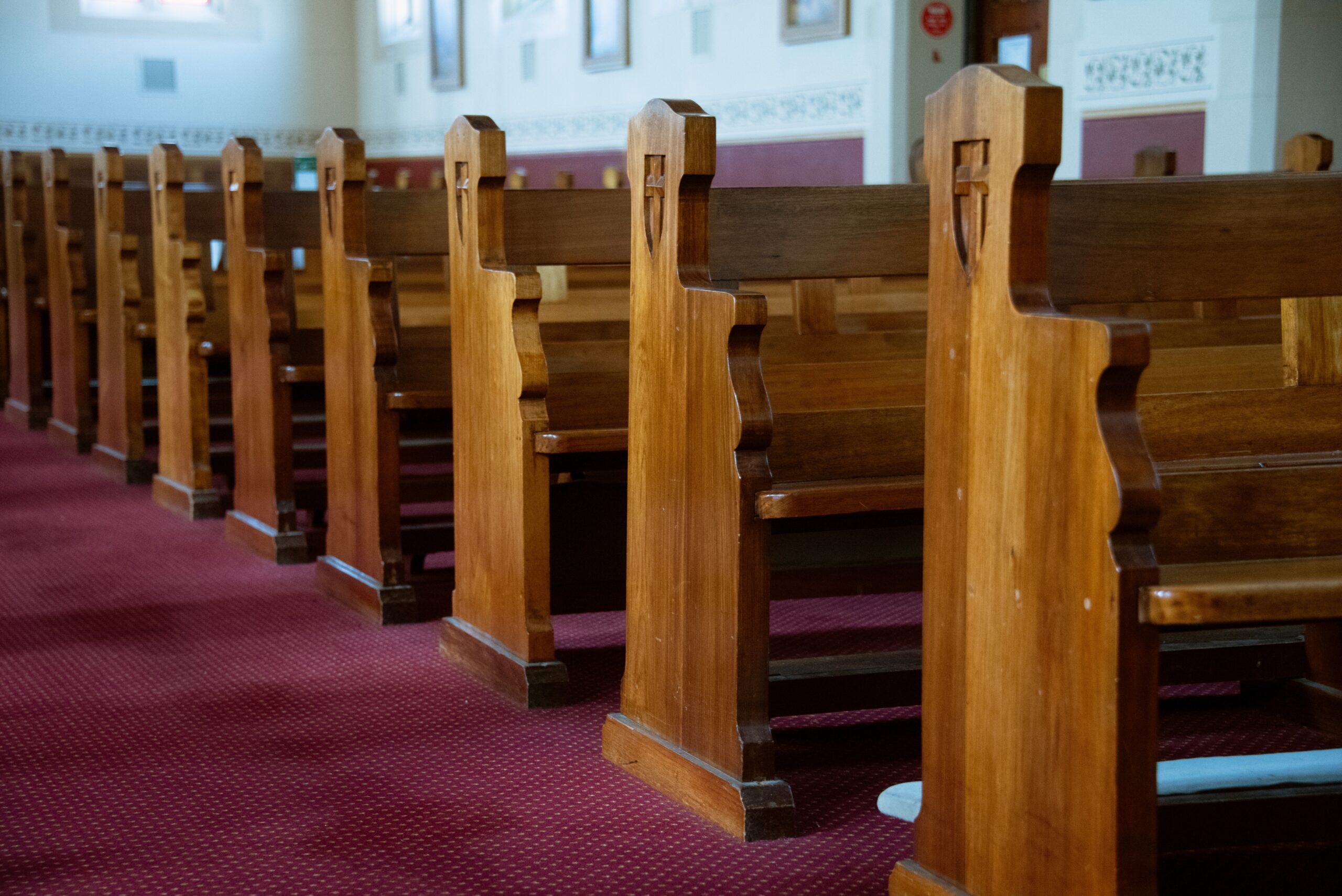
The findings also question suggestions that younger Britons are increasingly returning to church. NatCen reported that just 4% of people aged under 35 attend a Christian service at least once a week, broadly consistent with figures recorded since 2017.
Among those who identify as Christian, younger adults are somewhat more likely than older Christians to attend church monthly, but researchers said this pattern predates the pandemic and does not amount to evidence of a new trend.
At the same time, attendance among older worshippers has declined significantly. Weekly attendance among people aged 70 and over has fallen from 18% in 2017 to 9% in the latest data, suggesting that any apparent change in the age profile of congregations may reflect reduced participation among older adults rather than an influx of younger attendees.
Right-wing narrative busted
The study by NatCen came in response to an earlier flawed study released by the Bible Society in 2025, which claimed a “quiet revival” in Christianity is occurring in the UK. The research was conducted on their behalf by YouGov, and it suggested there had been a revival of attendance in Christian churches and chapels, especially among younger people.
However, shortly before Easter, YouGov stated that the research was flawed because of “fraudulent responses” provided by some of the respondents to the survey.
Then in March, the Bible Society quietly retracted the false claims in a humiliating U-turn. The survey will now be repeated by YouGov later this year, with tighter controls against fraud put in place.
Since the dodgy findings were released, the far-right – particularly Islamophobic actors and groups – celebrated the original claims as proof that their Christian nationalist ideology was gaining ground in the UK.

Tommy Robinson and the various Christian preachers who attend his far-right Unite The Kingdom protests in London lead chants of “Christ is King” while taking credit for the alleged trend.
GB News, a prominent right-wing platform with an obsession with anti-Islam stories, also made a big deal out of reporting on the unreliable original findings.
Islamophobes like Robinson and preachers in his far-right circles have been condemned by mainstream Christian leaders in Britain for “corrupting the faith” in order to push their own nationalist political agenda.
The effort by the far-right to hijack Christianity and promote narratives of a “revival” is an attempt to counter the success of British Muslims in protecting and practising Islam.
Unlike Christianity, Islam is flourishing in the UK and boasts sizeable turnouts at mosques, Eid celebrations, and a da’wah scene which reports a growing number of converts embracing Islam.
Since the start of Israel’s war on Gaza in 2023, it has been reported that a massive spike in interest in Islam has occurred across the Western world as the plight of the Palestinians has encouraged more onlookers to research the Islamic faith — a key aspect of Palestinian culture.