


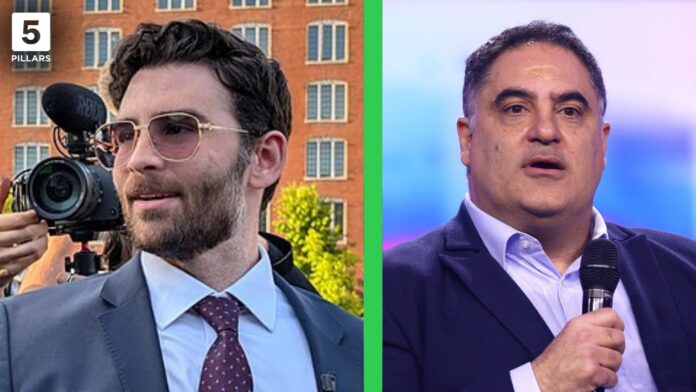
U.S. political commentator Cenk Uygur and online broadcaster Hasan Piker have been barred from entering the UK, and say British authorities cited their public comments about Israel as the reason for the decision.
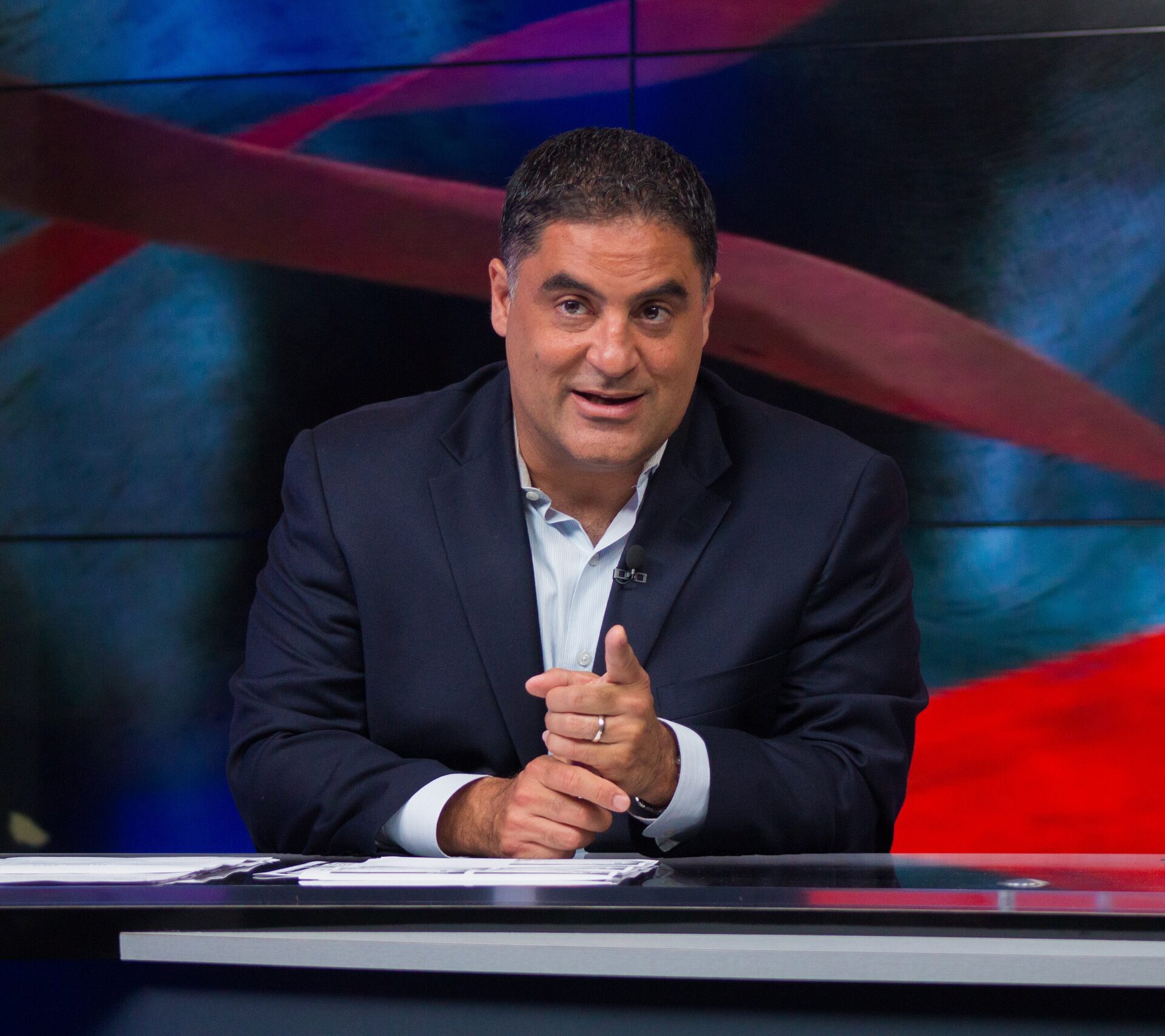
Uygur, co-founder of The Young Turks, a U.S.-based online political news and commentary network, said he learned of the restriction while attempting to board a flight to London, where he was scheduled to attend the SXSW London festival and deliver a speech at Oxford.
As part of a series of posts on X, Uygur said British authorities informed him that he had been deemed “a serious risk to the public order.”
“The British government is saying they’re banning me because I am a serious risk to the public order due to my criticism of Israel,” he wrote.
He also said authorities considered his assertions regarding Israeli influence in U.S. politics to be antisemitic, despite his insistence that his remarks were factual.

Uygur argued that he was not being denied entry over comments about the UK itself but rather over statements made in the United States concerning Israel.
“This is absolutely Kafkaesque,” he wrote, criticising what he described as a contradiction in the government’s reasoning.
Subscribe to our newsletter and stay updated on the latest news and updates from around the Muslim world!
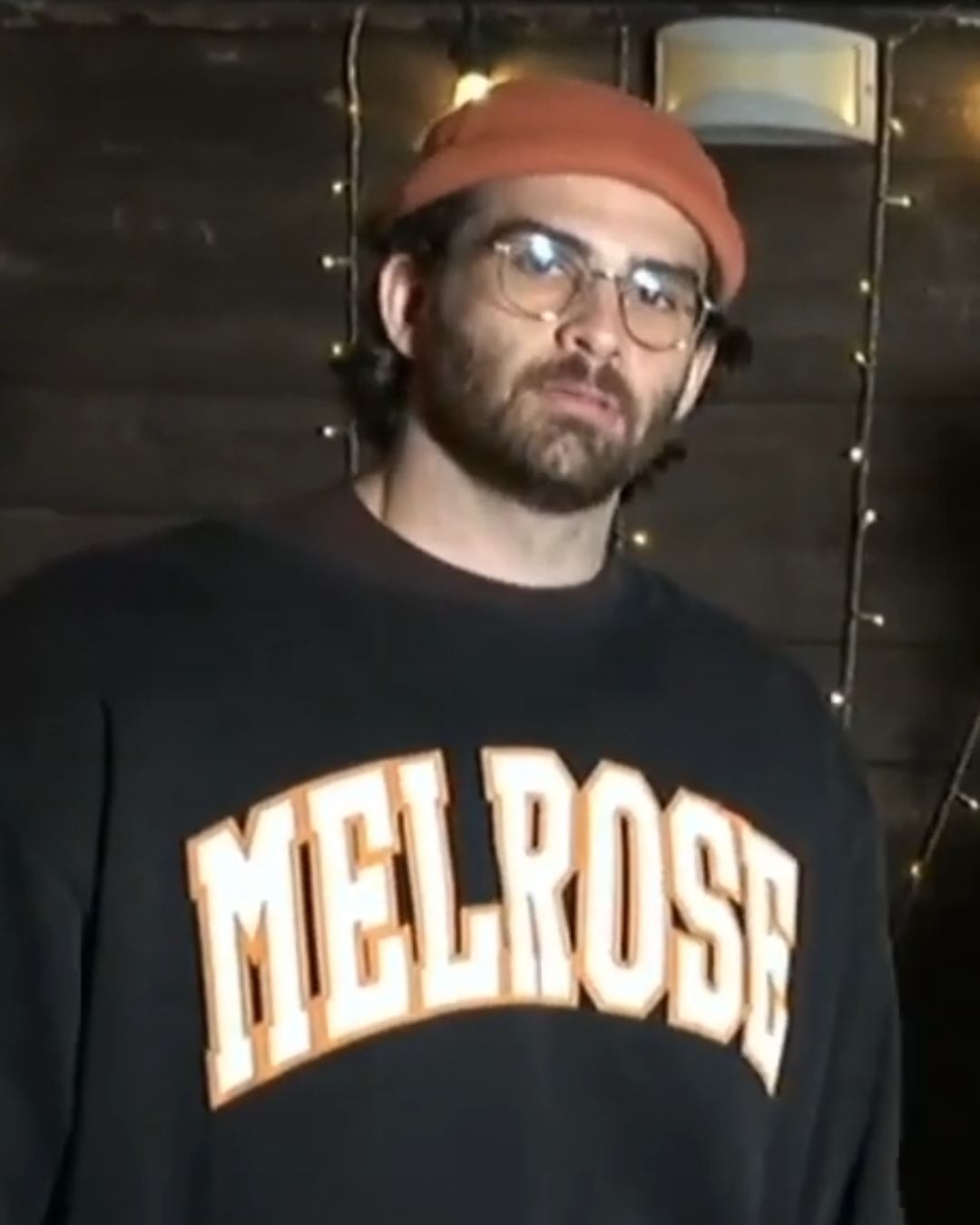
Piker, nephew of Uygur, former contributer to The Young Turks and current popular live streamer, later said in a post on X that his UK visa had also been revoked as he prepared to travel to the same event.
“The UK has revoked my visa as well,” he wrote, alleging that the decision was linked to his criticism of Israel.
Piker was due to attend an Oxford Union debate along with interviews and a visit to the SXSW London festival.
The reported restrictions come months after British authorities barred the U.S. rapper Ye, formerly known as Kanye West, from entering the country, citing his history of antisemitic remarks.
British officials defended that decision despite appeals from event organisers and public statements by the artist seeking reconsideration.
Wider context
Uygur and Piker’s cases come amid growing debate over free speech and Palestine advocacy in Britain.
Critics point to a number of instances in which Muslim speakers, pro-Palestine activists and controversial political commentators have faced restrictions on entering the UK, arguing that authorities are increasingly policing certain political viewpoints.
The government rejects such claims and says exclusion decisions are based on security, extremism and public order considerations.
Cenk has spent more than two decades as one of the most prominent voices in independent progressive media. He helped pioneer online political commentary long before the rise of modern political streaming and podcasting
Cenk has long been a prominent critic of pro-Israel lobbying groups and American interventionism.
Supporters argue that his work helped popularise discussions about the influence of lobbying organisations in Washington and the human cost of U.S. foreign policy.
The pro-Israel media watchdog group CAMERA (Committee for Accuracy in Middle East Reporting and Analysis) has repeatedly accused Uygur and The Young Turks of promoting anti-Israel and, at times, antisemitic narratives.
The Anti-Defamation League (ADL) has criticised comments made on The Young Turks platform, particularly where discussions of lobbying influence were seen as echoing antisemitic tropes about Jewish power or control.
Uygur has rejected those characterisations and argued he is criticising political organisations and governments, not Jews as a people.
Piker, Uygur’s nephew and former Young Turks contributor, has become one of the world’s most-watched political streamers, regularly drawing millions of viewers across Twitch, YouTube and social media.
Piker is known for his outspoken opposition to Israel’s war in Gaza, criticism of Zionism and attacks on U.S. interventionism, but he has repeatedly rejected accusations of antisemitism.
During an appearance at the Oxford Union last year, Piker spoke about the rise of antisemitism and fascism, arguing that criticism of Israel should not be conflated with hatred of Jewish people and stating that “anti-Zionism is not anti-semitism.”
He has nevertheless remained a polarising figure, with critics pointing to previous remarks on subjects including 9/11, Hamas and U.S. foreign policy.