



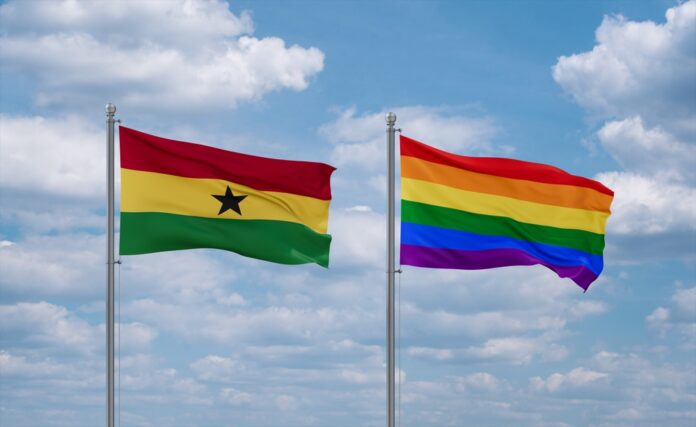
Ghana’s parliament has approved legislation that would criminalise the promotion, funding and sponsorship of LGBTQ-related activities, in a move that will significantly expand existing restrictions on same-gender relations in the West African country.
Lawmakers approved the Human Sexual Rights and Family Values Bill, 2025, by voice vote on Friday following unanimous backing from parliament’s Constitutional and Legal Affairs Committee, according to officials and media reports.
The bill now awaits the decision of President John Dramani Mahama on whether to sign it into law.
The legislation retains existing penalties of up to three years’ imprisonment for same-sex sexual acts and introduces prison terms of between three and five years for those found to be promoting or sponsoring LGBTQ-related activities or content, according to reports on the measure.
The bill also includes a mandatory reporting provision requiring individuals to report acts prohibited under the legislation or face possible imprisonment of up to three years.

It further proposes amendments to Ghana’s Extradition Act of 1960 to allow offences under the legislation to be treated as extraditable.
The legislation follows an earlier version of the bill passed by parliament in 2024 during the presidency of Nana Akufo-Addo, but which was not enacted after legal challenges delayed the process.
Subscribe to our newsletter and stay updated on the latest news and updates from around the Muslim world!
That version lapsed before becoming law, and the measure was later reintroduced.
President Mahama has previously indicated support for legislation concerning what he described as family values, while also suggesting preference for a government-backed approach to such measures. It remains unclear whether he will sign the bill in its current form.
Ghana already criminalises same-sex relations under existing laws, but supporters of the new legislation say it is intended to reinforce what they describe as national and family values.
Critics, including international rights organisations, have argued that the proposed law could lead to discrimination and infringe civil liberties.
The parliamentary vote comes amid wider legislative moves in parts of West Africa concerning LGBTQ-related laws and restrictions.
In March, Senegal enacted a law doubling the maximum prison sentence for same-sex sexual acts from five to ten years and criminalising what authorities described as the promotion of homosexuality.
In September 2025, lawmakers in Burkina Faso voted to criminalise same-sex sexual acts for the first time and introduced penalties for conduct deemed to promote homosexual practices.
Beyond West Africa, Uganda has also introduced far-reaching anti-homosexuality legislation.
The East African country enacted the Anti-Homosexuality Act in 2023, introducing penalties including life imprisonment for same-sex intercourse and the death penalty for what the law terms “aggravated homosexuality.”
In April 2024, Uganda’s Constitutional Court upheld most of the law while annulling some provisions relating to mandatory reporting and the use of premises, allowing the core legislation to remain in force.
Historically, the traditional position in Christianity has generally been that sexual activity belongs within marriage between a man and a woman, and that same-gender relations are morally prohibited.
This was the mainstream teaching across the major historic branches of Christianity for centuries, including the Roman Catholic Church, the Eastern Orthodox Church, and most Protestant traditions after the Protestant Reformation.