


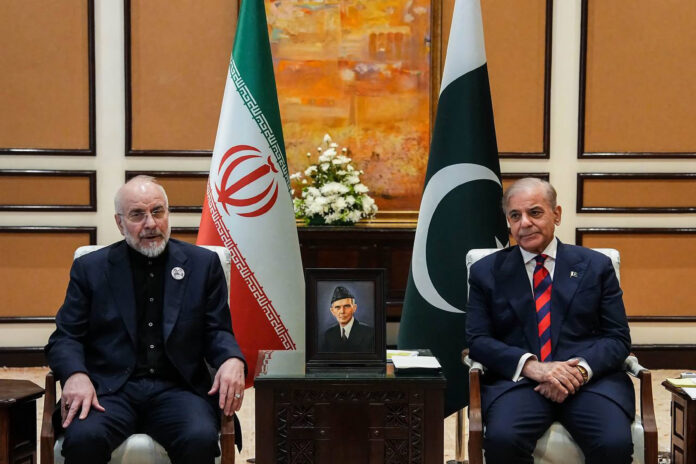
Even as Pakistan positioned itself as a neutral mediator — hosting historic peace talks between the United States and Iran in Islamabad — it was simultaneously undertaking a quiet but highly risky military move: the deployment of fighter jets and supporting troops to Saudi Arabia, writes Muhammad Siddeeq.
The contradiction is stark.
High-level negotiations — described as the most significant direct engagement between Washington and Tehran in decades — were underway in the Pakistani capital.
Islamabad presented itself as a trusted intermediary, seeking to defuse a rapidly escalating regional crisis.
Yet at precisely the same time, Pakistani fighter jets and support aircraft were arriving at Saudi bases under a mutual defence pact — an action publicly confirmed only as the talks began.

There had been no clear prior disclosure of this deployment.
This overlap exposes a fundamental irony at the heart of Pakistan’s current posture: a state attempting to mediate between Iran and its adversaries while simultaneously deepening its military alignment with Iran’s principal regional rival, Saudi Arabia.
Subscribe to our newsletter and stay updated on the latest news and updates from around the Muslim world!
Rather than reinforcing neutrality, the timing risks undermining it entirely.
At a moment of heightened regional volatility, Islamabad has moved beyond symbolic support and committed tangible military resources to the Kingdom. The deployment —comprising fighter aircraft, air defence systems, and support personnel — marks a significant escalation in Pakistan’s external military posture.
What has been deployed
While precise numbers remain undisclosed, available reports indicate that Pakistan has deployed:
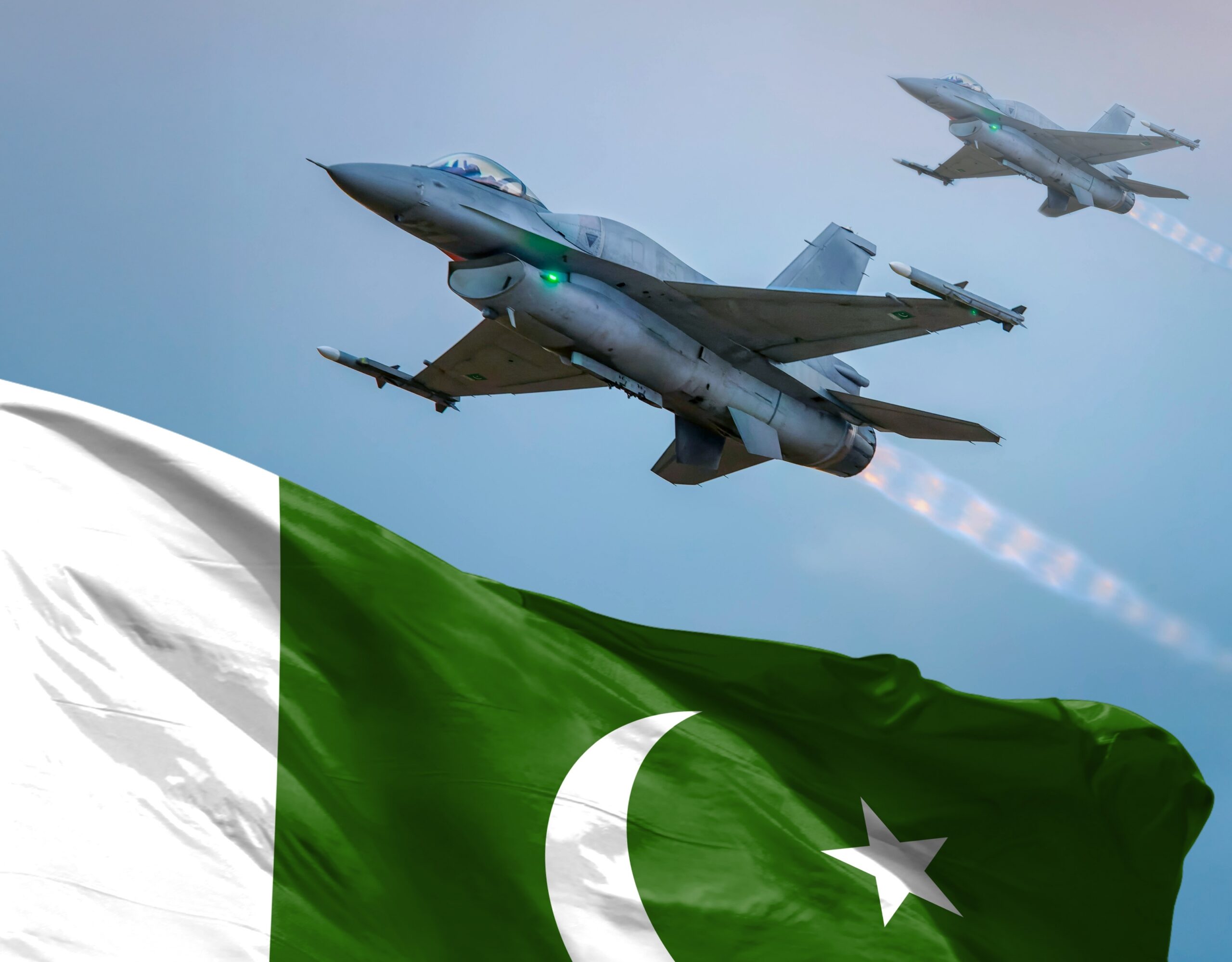
- Fighter aircraft: Pakistan Air Force F-16 Block-52 and Block 52+ multirole jets, stationed at Saudi bases including King Abdulaziz Air Base
- Air and ground crews: Pilots, engineers, and technical staff forming a fully operational contingent
- Air defence systems: LY-80 and FM-90 surface-to-air missile systems designed to intercept drones and missiles
- Troops and support units: Additional personnel integrated into Saudi defensive infrastructure
This is not a token presence. It is a combat-capable deployment structured for real-world operations.
Pakistan: Condemning Escalation While Committing Forces
Pakistan’s close ties with Gulf Arab states are well established. It has described Iranian counter-strikes on Saudi infrastructure as a “dangerous and unnecessary escalation.”
At the same time, officials have emphasised obligations under a bilateral defence pact. Foreign Minister Ishaq Dar stated plainly: “We have a defence pact with Saudi Arabia.”
This dual messaging underscores a central contradiction: condemning escalation while deepening military involvement.
Saudi Arabia: Defensive posture, sharp warnings
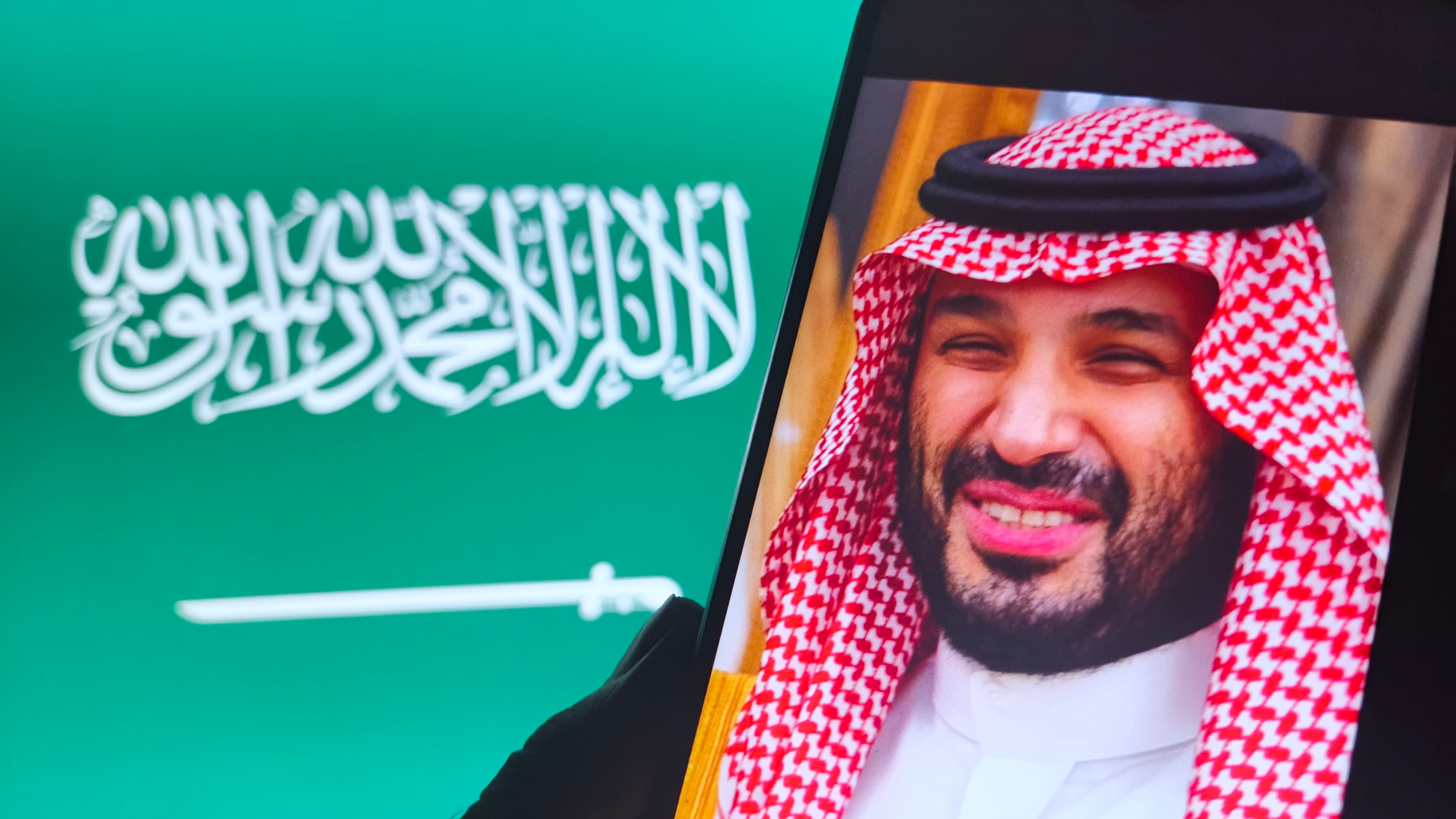
Saudi Arabia has framed the deployment as part of efforts to “strengthen joint defence cooperation and support regional and international security and stability.”
Yet Riyadh has also issued stern warnings to Iran, signalling severe consequences if attacks continue. The situation remains highly combustible.
Iran: Defiance Amid Rising Tensions
Iran, for its part, has rejected external pressure in the stalled Islamabad talks, dismissing demands as “unreasonable.”
While Tehran has not directly addressed Pakistan’s deployment in detail, its continued missile and drone activity — combined with its longstanding opposition to foreign military build-ups in the Gulf — underscores the risks inherent in Islamabad’s move.
From Deterrence to Entanglement
Though officially framed as defensive, the deployment places Pakistani forces within range of potential Iranian retaliation. In such an environment, the line between deterrence and participation becomes dangerously thin.
Should hostilities intensify, Pakistani assets could be drawn into active engagement —transforming a limited deployment into direct involvement in a wider war.
A neighbour turned battlefield rival
Perhaps the most troubling dimension is the risk of direct confrontation with Iran.
Pakistan and Iran share a long border, economic ties, and overlapping security concerns. Despite periodic tensions, both countries have historically avoided direct conflict, recognising the costs of destabilisation.
This deployment threatens to upend that balance.
If Pakistani-operated systems were to engage Iranian forces, the consequences could include:
- Direct military confrontation between neighbouring states
- Escalation along Pakistan’s western frontier
- Cross-border instability and retaliatory attacks
To risk such an outcome is not merely misguided—it is strategically reckless.
The Israel–Iran War: A wider trap
The current crisis extends far beyond Saudi Arabia. The confrontation between Iran and Israel has already evolved into a broader regional conflict involving multiple actors and theatres.
By embedding itself militarily alongside Riyadh, Pakistan risks becoming an indirect participant in a wider war on Iran. The implications are stark: Pakistani forces could become legitimate targets, and what appears to be a limited deployment could evolve into a prolonged military entanglement.
In effect, Pakistan risks being drawn into a war not of its choosing — and not in its national interest.
While the leadership may frame the move as necessary to “protect the Haramain,” it is likely to face scepticism at home, potentially widening the gap between the military establishment and public sentiment.
Expert Warning: A risky and unnecessary entanglement
There is little ambiguity about the risks. Deploying combat-capable forces into such a volatile environment is a deeply hazardous step.
Analysts have raised serious concerns about the trajectory of Pakistan’s policy.
Kamran Bokhari observes: “Pakistan is walking a very fine line between its commitments to Saudi Arabia and the reality of sharing a border with Iran.”
Hasan Alhasan warns: “Even limited military support can be interpreted as alignment in a conflict environment as polarised as this one.”
Michael Kugelman adds: “Pakistan has historically tried to maintain ties with both Riyadh and Tehran. This kind of move makes that balancing act much harder.”
Taken together, these assessments point to a clear conclusion: what begins as a limited deployment risks evolving into a deeper — and far more dangerous — entanglement.