


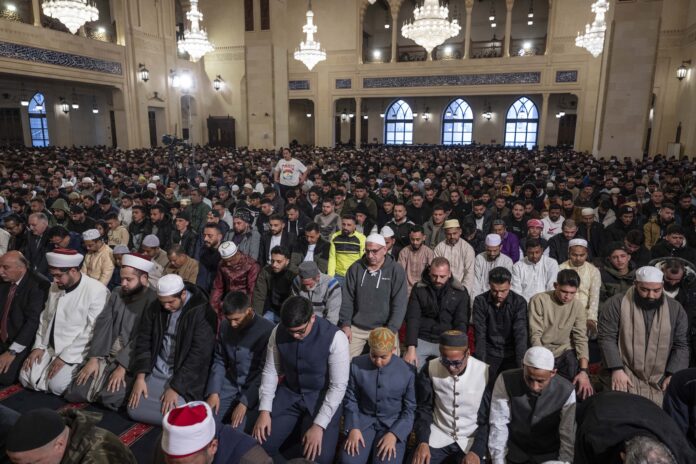
5Pillars looks at how Lebanon’s Sunni Muslims, rejecting both Israel and Hezbollah, find themselves powerless and voiceless, deeply affected by a conflict they neither support nor control.
Since the escalation driven by Israeli and US strikes targeting Iran and its regional network, Lebanon’s southern border has effectively become a continuous frontline.
Israeli airstrikes and Hezbollah responses have turned large parts of the country into an active conflict zone, raising fears that Lebanon could be pulled into a full-scale war.
For many Sunnis (around 30% of the 7 million population), this moment feels imposed rather than chosen.
There is a growing sense that decisions of war and peace are being made without their input, reinforcing long-standing concerns about political imbalance and exclusion.

Internal divides
Lebanon’s Sunni community is far from unified. It includes secular urban professionals, traditional religious families, Salafi movements, politically organised “Islamist” groups, and smaller militant currents, each with distinct views on religion, governance, and regional alliances.
Subscribe to our newsletter and stay updated on the latest news and updates from around the Muslim world!
These divisions shape how the conflict is understood. Secular Sunnis often frame the crisis in terms of state sovereignty and institutional collapse, while more religious groups may interpret it through broader regional and ideological struggles.
Even within Salafi circles, there are sharp disagreements between those who reject political engagement and those who support organised movements.
Many Sunnis also question whether political engagement, especially through secular frameworks, can realistically secure influence in a country whose sectarian balance resists any single community asserting coherent power, leaving them doubtful that unity alone would change their position.
War perceptions
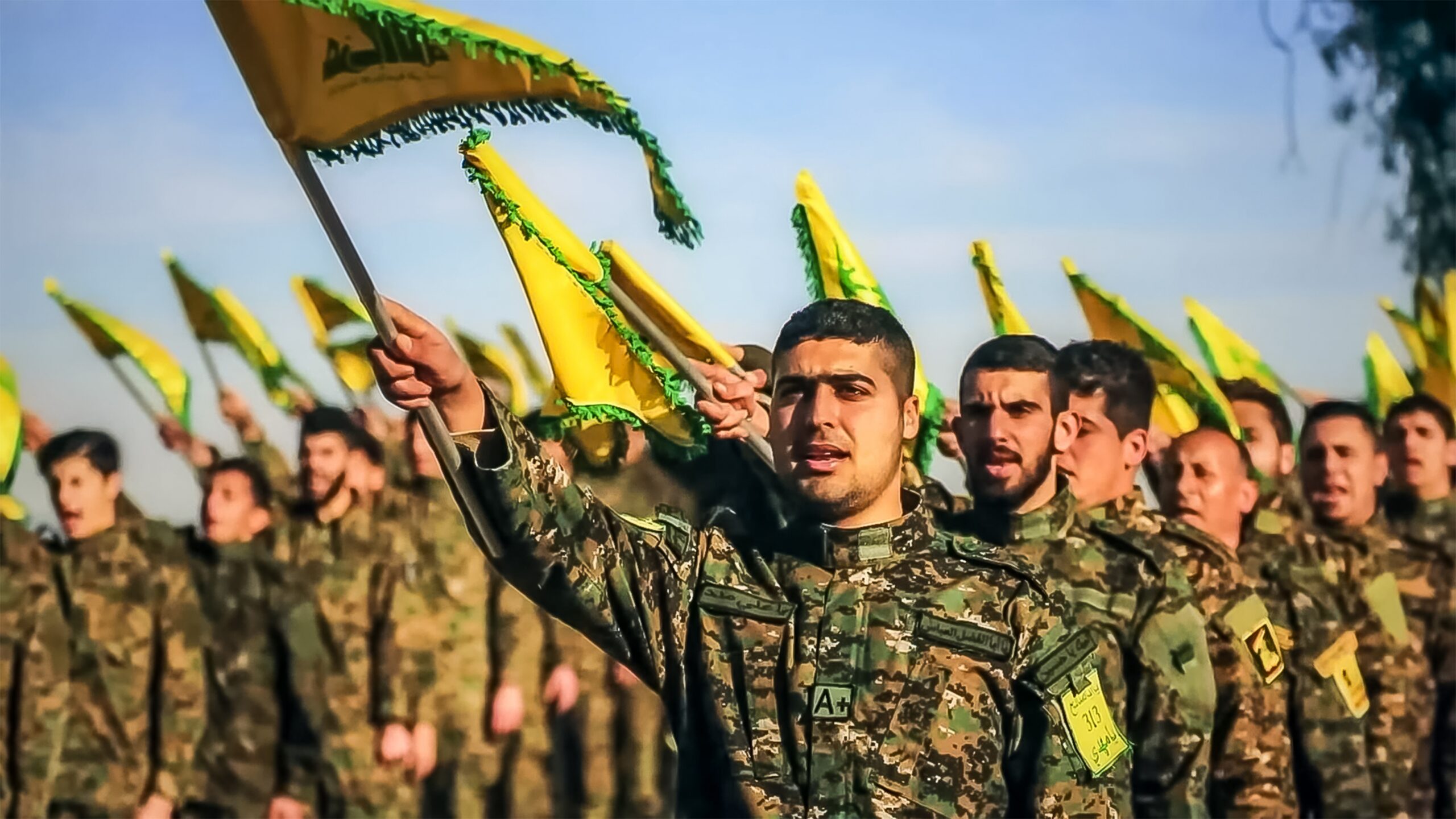
The ongoing confrontation between Hezbollah and Israel is viewed with deeply mixed feelings among Sunnis.
On one hand, Israeli strikes are widely seen as violations of Lebanese sovereignty that bring destruction and instability.
On the other hand, Hezbollah’s role in initiating and sustaining cross-border attacks is also heavily criticised. Many Sunnis argue that the group operates outside state authority, effectively deciding when Lebanon enters conflict without national consensus.
There are also small but visible segments that present themselves as Sunni while openly supporting either Hezbollah or even Israel. These positions, however, are overwhelmingly rejected by the broader Sunni public and often met with strong outrage and hostility, as they are seen as aligning with forces that harm Sunni communities and undermine their interests.
This dual rejection creates a sense of entrapment. Sunnis often express that they are caught between an external threat and an internal actor whose decisions they cannot influence, yet whose actions directly affect their lives.
Displacement reality
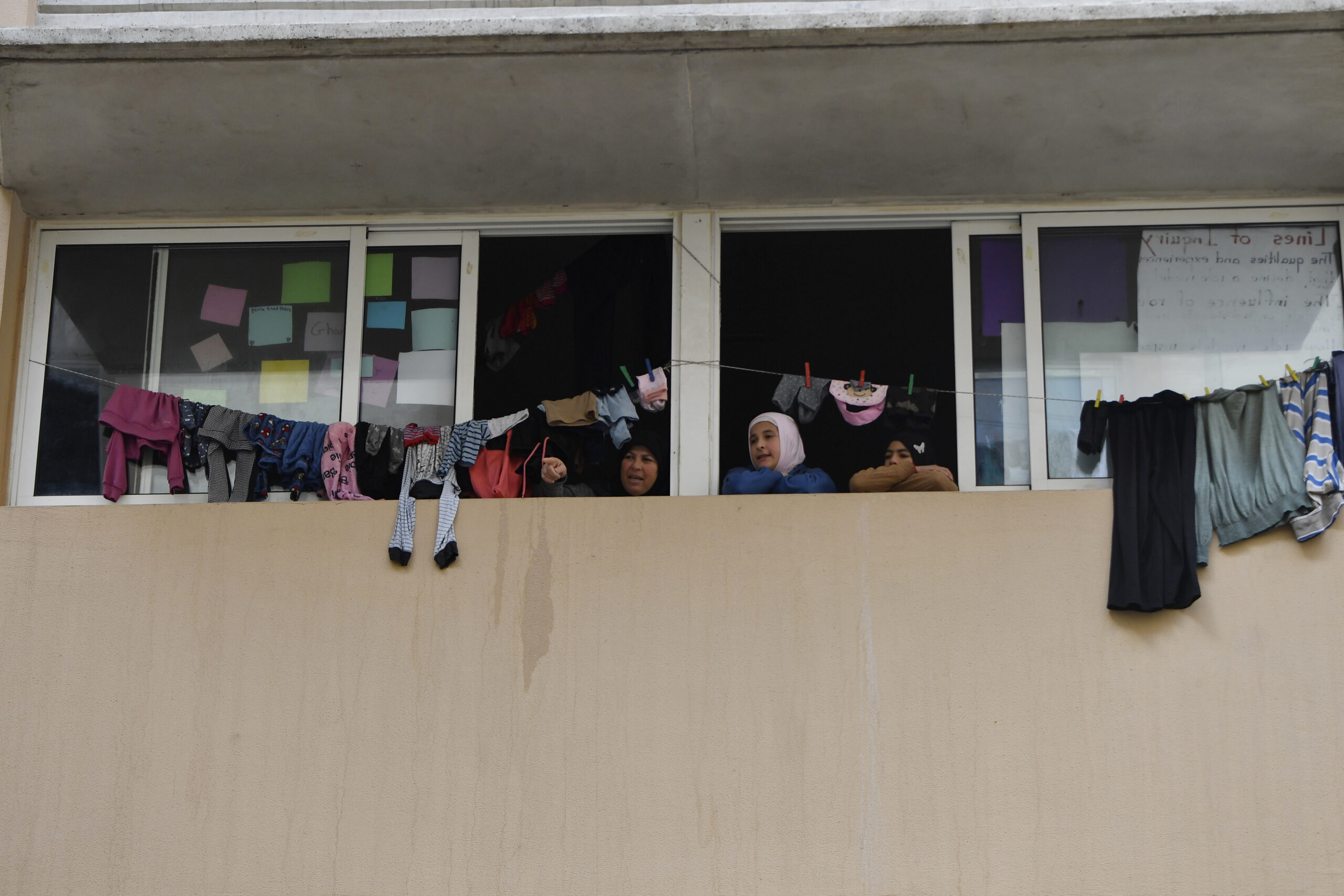
A growing number of Sunnis have been directly displaced by the fighting. As airstrikes intensify and the border becomes unlivable, families have been forced to leave their homes with little notice, often moving into already strained urban areas.
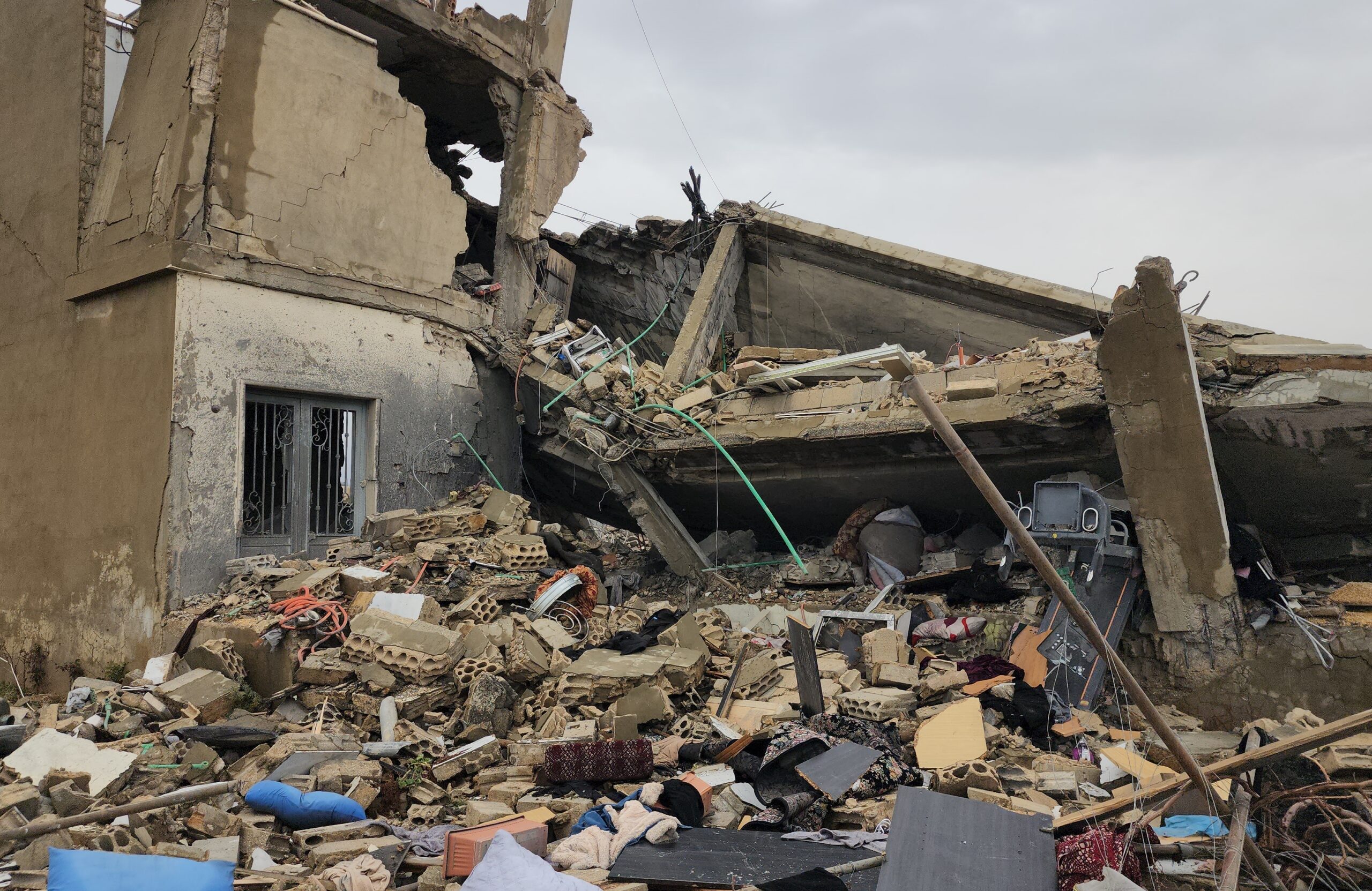
Many describe sudden evacuations, damaged homes, and the loss of basic stability. In some areas, Sunni communities have found themselves exposed to both Israeli strikes and the consequences of Hezbollah’s military positioning, placing them in particularly vulnerable situations.
There is also a perception among many Sunnis that they are absorbing the cost of a conflict they neither initiated nor control. Both Israeli military actions and Hezbollah’s operational presence are seen as contributing to their displacement, reinforcing a feeling of being targeted or disregarded from multiple directions.
Regional tensions
The conflict is also understood within a broader regional context. Hezbollah’s alignment with Iran is a central concern for many Sunnis, who see it as part of a wider shift in regional power that sidelines Sunni political influence.
At the same time, there is no sympathy for Israel’s military actions, which are seen as aggressive and disproportionate. Civilian casualties and infrastructure damage reinforce a perception of injustice that resonates across different Sunni factions.
This creates a complex emotional landscape. Opposition to Hezbollah does not translate into support for Israel, and criticism of Israel does not imply acceptance of Hezbollah’s dominance.
Political pressure
Economic collapse continues to intensify these tensions. Sunni-majority areas have been particularly affected by unemployment, poverty, and declining public services.
For many, the war feels like an added burden on an already unbearable situation. Rising prices, limited access to healthcare, and unreliable infrastructure make the prospect of further conflict especially alarming.
This hardship also exposes a deeper imbalance. Other sectarian groups have been able to align their political participation with either clear ideological frameworks or established state structures, allowing for more effective cooperation and representation.
Sunnis, by contrast, lack that alignment. Secular Sunni figures often operate without a strong base of support, while more ideologically driven Sunni movements face resistance from nearly all other factions, who view their outlook as expansive and potentially dominant.
This dynamic reinforces exclusion. It leaves many Sunnis feeling that they are structurally blocked from meaningful participation, not only by circumstance but by a broader fear among other groups of what an empowered Sunni presence in all spheres of society could become.
Future outlook
Looking ahead, uncertainty dominates. Younger Sunnis are especially divided between those who want to remain and push for change, and those who see emigration as the only viable path forward.
There is also an ongoing debate about identity and direction. Some advocate for renewed political organisation within Lebanon, while others believe that meaningful change is unlikely under current conditions.
Despite everything, there is little confidence in any near-term resolution. For many Sunnis, the only constant is uncertainty, and the only shared sentiment that remains is a quiet call for unity, often expressed not through politics but through prayer.