



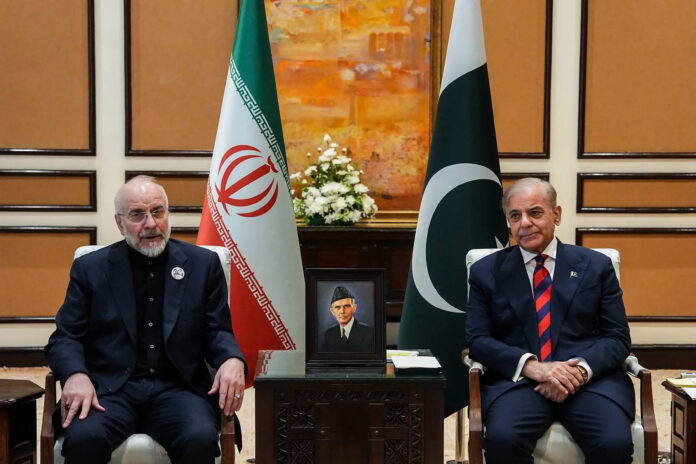
High-stakes talks between Iran and the United States have come to an abrupt end without striking a deal after 21 hours of tense discussions in the Pakistani capital of Islamabad.
Iran’s Foreign Ministry spokesman Esmaeil Baqaei said Sunday it was “natural” that no agreement was reached with the US in a single day of talks in Islamabad, citing a deep atmosphere of mistrust following a recent conflict.
Baqaei reportedly added that the two sides reached a consensus on some issues, but they held very different views regarding 2-3 important matters.
“These talks were held in an atmosphere dominated not only by distrust but also by doubt and suspicion, following a 40-day war initiated for the second time within nine months by the US and Israel,” he said. “Therefore, it is natural that no agreement was reached in a single meeting. In any case, no one had such an expectation.”
According to Iranian sources, Tehran refused to accept what they described as “excessive demands” of the US regarding ownership of the Strait of Hormuz, Iran’s nuclear energy ambitions, and several other issues mostly likely surrounding Lebanon, where Israel is attacking Iranian ally Hezbollah.

Its is believed that Israel is planning an invasion of Lebanon and that Tel Aviv is pushing Washington not to accept a deal with Iran which would limit their ability to wage war on Lebanon.
Baqaei also pointed to the complexity of the agenda, noting that issues related to the Strait of Hormuz and broader regional dynamics had made the discussions more difficult.
Subscribe to our newsletter and stay updated on the latest news and updates from around the Muslim world!
While some progress was achieved on several issues, disagreements “on two or three key points” prevented a deal with Washington, the official noted.
He did not clarify whether further rounds of talks would be held.
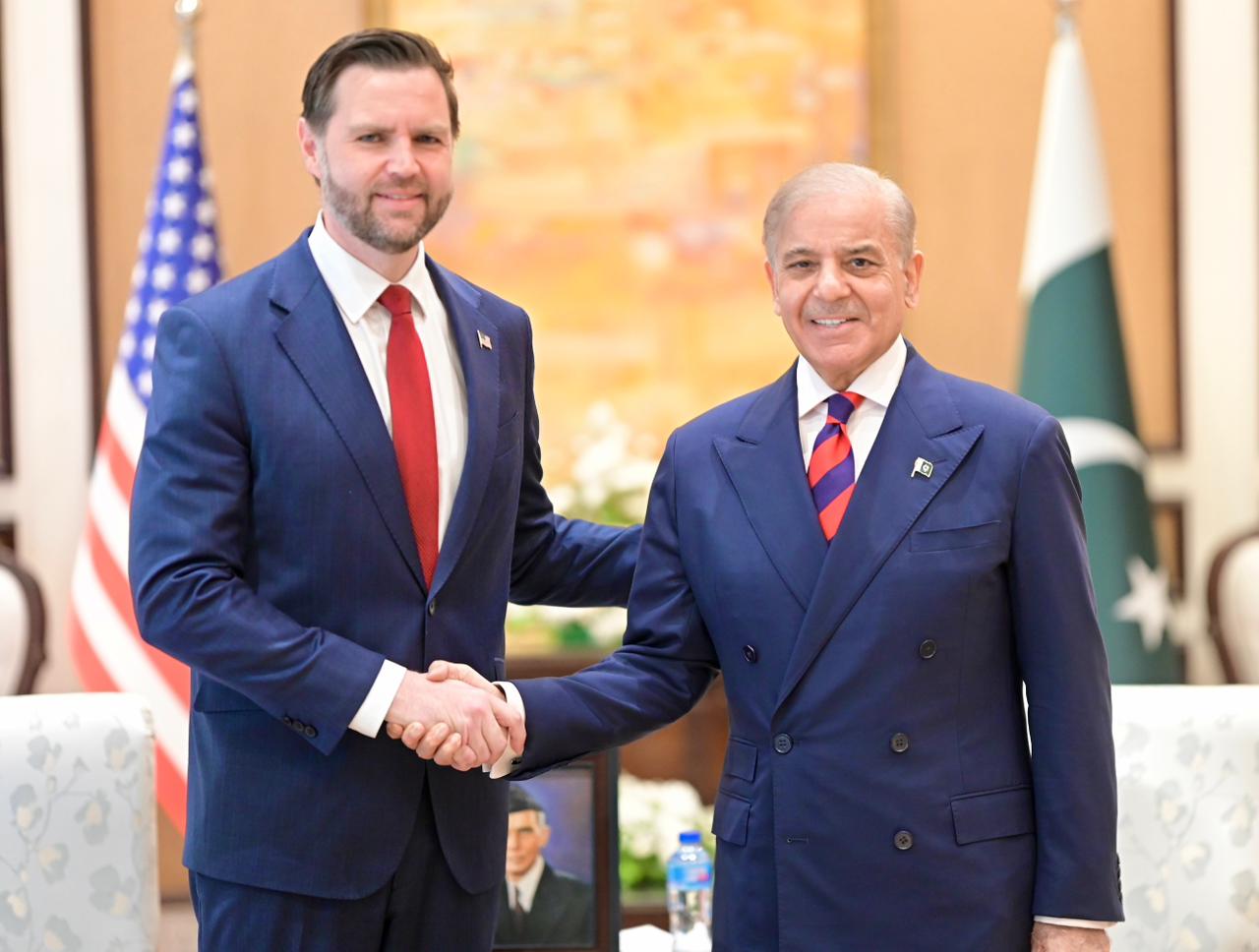
In a short press conference on Sunday morning, US Vice President JD Vance said that Washington and Tehran have not yet reached an agreement, explaining that Iran rejected several key US demands.
“We have been at it now for 21 hours, and we have had a number of substantive discussions, that’s the good news. The bad news is that we have not reached an agreement, and I think that’s bad news for Iran, much more than it’s bad news for the United States of America,” Vance told US journalists at a hotel where the American and Iranian delegations have been are holding talks since Saturday.
“They have chosen not to accept our terms,” he added.
He said Washington has not seen a “long-term” Iranian commitment to forgo developing nuclear weapons
“The simple question is do we see a fundamental commitment of will for the Iranians not to develop a nuclear weapon, not just now, not just two years from now, but for the long term. We haven’t seen that yet,” said Vance.
Separately, he said on US social media platform X: “In the past 24 hours, discussions were held on various dimensions of the main negotiation topics, including the Strait of Hormuz, the nuclear issue, war reparations, lifting of sanctions, and the complete end to the war against Iran and in the region.”
“The success of this diplomatic process depends on the seriousness and good faith of the opposing side, refraining from excessive demands and unlawful requests, and the acceptance of Iran’s legitimate rights and interests,” he added.
Elsewhere, Baqaei also expressed appreciation to the “government and the warm-hearted and noble people of the Islamic Republic of Pakistan for hosting the negotiations and their benevolent efforts in advancing this process.”
Both delegations have now reportedly departed from Pakistan, with the regional conflict and fresh attacks likely to take place in the coming days.