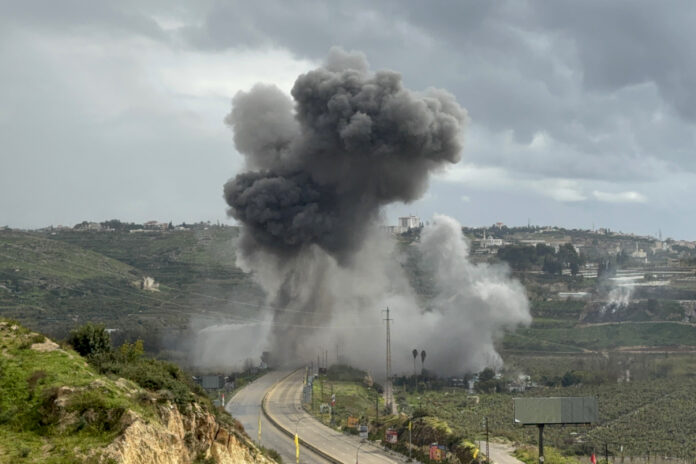
Israel has intensified operations in southern Lebanon, targeting key infrastructure including bridges on the Litani River as deadly fighting with Hezbollah ramps up. Lebanon’s President warns of possible Israeli invasion, urging international action.
Israeli Prime Minister Benjamin Netanyahu ordered the military to “immediately” strike bridges over the Litani River in southern Lebanon, according to Israeli media reports, a move officials say is intended to limit Hezbollah’s ability to move fighters and weapons across the region.
The Israeli army identified the Qasmiya Bridge as a primary target, claiming it is being used for “militant activity” and the transfer of operatives under civilian cover.
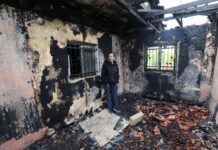
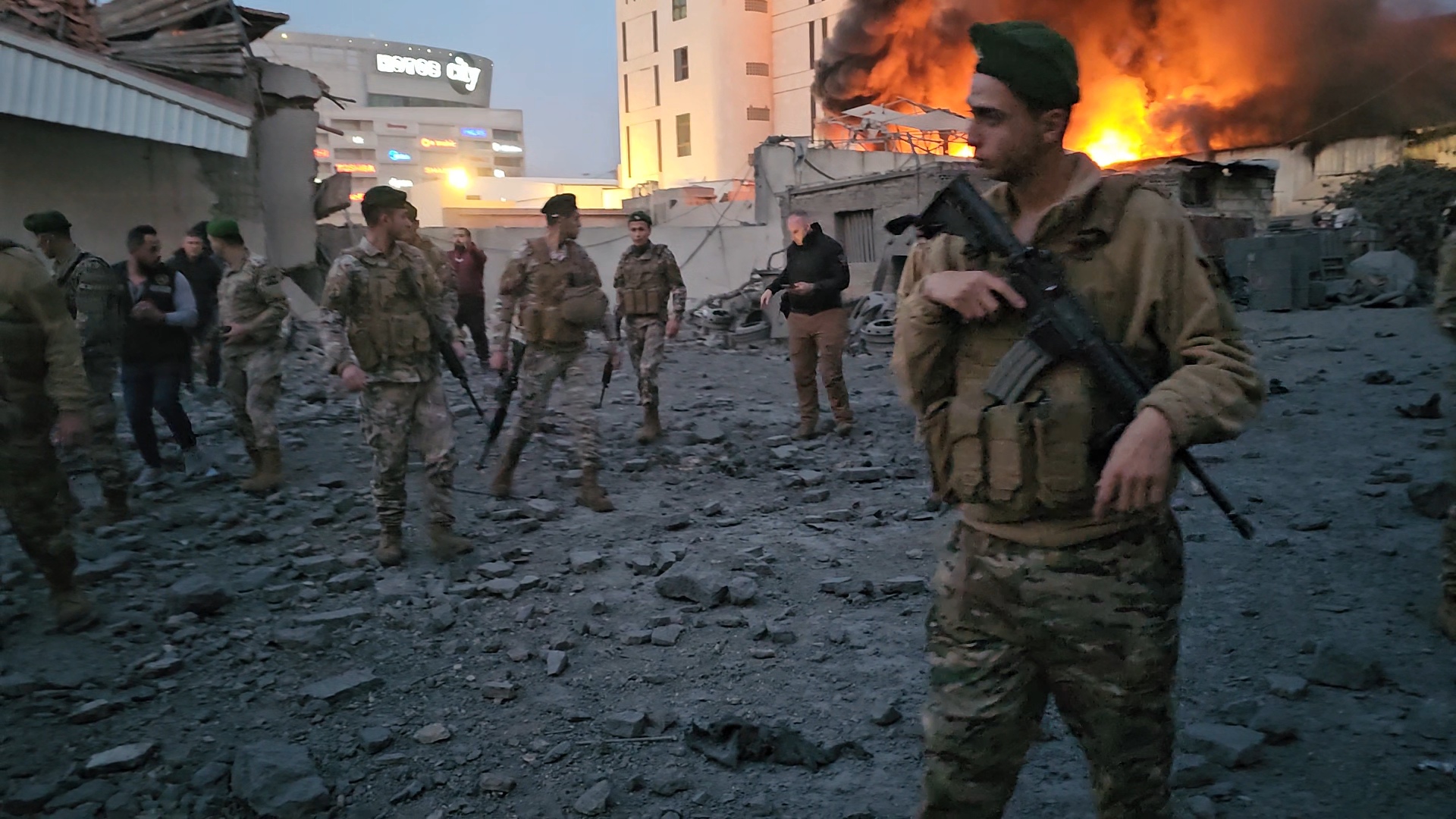
At the same time, Israeli forces have expanded ground operations, reportedly advancing several miles into Lebanese territory while continuing heavy airstrikes across the country, including civilian areas in the capital Beirut.
Lebanese authorities report significant casualties since the escalation began, with over 1,000 people killed and thousands injured. The violence follows a cross border attack by Hezbollah earlier this month, which triggered Israel’s current offensive.


Hezbollah, for its part, has ramped up missile attacks on northern Israel.
An anti-tank missile fired from Lebanon killed one person and wounded another Sunday in northern Israel, according to Israeli media.
Subscribe to our newsletter and stay updated on the latest news and updates from around the Muslim world!
Israel’s Channel 12 reported that two vehicles caught fire in the settlement of Misgav Am after the missile struck the area.
Hezbollah claimed Sunday it launched rocket barrages at Israeli military positions in southern Lebanon, targeting troop and vehicle concentrations in several locations.
The armed group said it struck soldiers and military vehicles at Khazzan Hill in the border town of Adaisseh at Jabal Warda in the border town of Merkaba, and Muhaisibat Hill in southern Lebanon.
Hezbollah also claimed rocket attacks on Israeli soldiers in the city of Khiam in southern Lebanon, as well as at a newly established Israeli position known as Hamamis, in southern Khiam.
Hezbollah is a Lebanese Shia paramilitary and political group which receives major support and funding from Iran. The group is a proscribed terror organisation in multiple Western countries including in the UK.
Growing speculation of an invasion
On Sunday, Lebanon’s President warned that Israel’s destruction of infrastructure and vital facilities in southern Lebanon could precede a ground invasion by the Israeli army.
Condemning the attacks, Joseph Aoun said they “constitute a dangerous escalation and a blatant violation of Lebanese sovereignty and are a prelude to a ground invasion, which Lebanon has repeatedly warned against through diplomatic channels.”
These actions constitute collective punishment and violate international law, he stressed, according to Lebanon’s National News Agency.
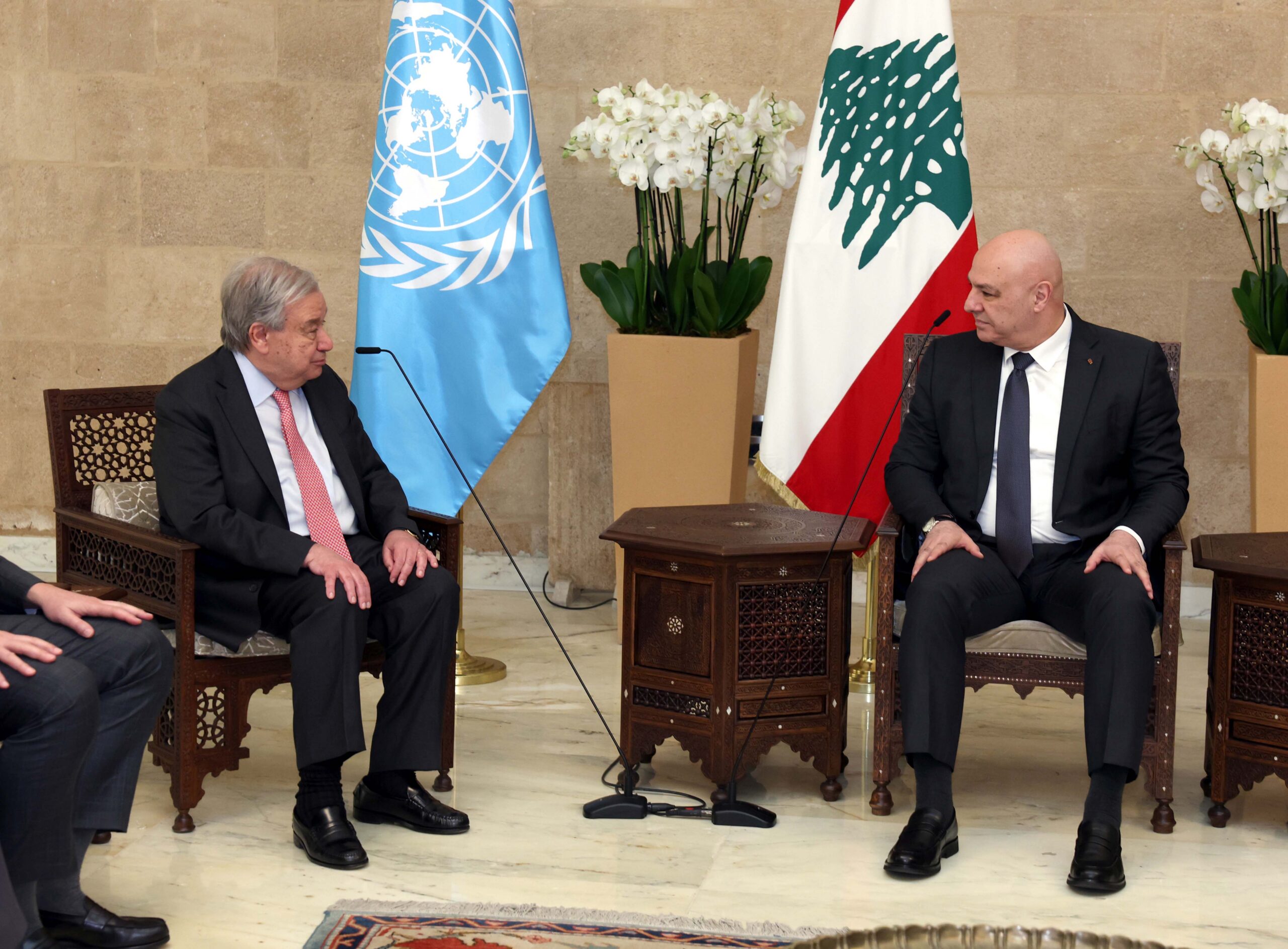
The president expressed Lebanon’s call on the international community, notably the UN and the UN Security Council members, to act immediately to prevent Israeli attacks.
“Continued silence or inaction encourages further violations and undermines the credibility of the international community,” he added.
The escalation in Lebanon is closely tied to rising tensions involving Iran.
Hezbollah is widely recognised as an Iranian proxy, and its actions are often viewed as part of a broader regional alignment. The current round of fighting followed a joint US-Israeli offensive on Iran, which resulted in significant casualties and prompted retaliatory strikes.
The killing of Iran’s Leader Ayatollah Ali Khamenei was seen as a key red line crossed as Khamenei was a senior Shiite scholar who commanded the respect and allegiance of Shia Muslims all over the world. He was held in high regards in Lebanon and was considered the senior religious leader for Hezbollah and its supporters.
Growing death toll
The death toll from Israeli attacks on Lebanon has risen to 1,029 since the start of Israel’s expanded offensive on March 2, the Health Ministry said Sunday.
In a statement carried by the state news agency NNA, the ministry said that the total number of those injured during the same period reached 2,786.
The Israeli army has pounded Lebanon with airstrikes and launched a ground offensive in southern Lebanon since a cross-border attack by Hezbollah on March 2.
The current escalation followed a joint US-Israeli offensive on Iran, which has killed over 1,300 people since Feb. 28. Tehran has retaliated with drone and missile strikes targeting Israel, along with Jordan, Iraq, and Gulf countries, which it says are targeting “US military assets.”
On Saturday, Iranian missile strikes wounded about 200 people in southern Israel, after air defence systems failed to intercept projectiles that hit two cities close to a nuclear facility.
Among the injured in the attacks on Arad and Dimona were a 12-year-old boy and a five-year-old girl, both reported to be in serious condition. The Israeli broadcaster Channel 13 reported early indications of possible deaths, though there was no official confirmation.
In Tel Aviv, 15 more people were injured on Sunday in a separate attack involving a cluster bomb. The attacks are adding to mounting pressure on Israel’s air defence systems, with Iranian strikes increasingly testing their limits.