


As fierce fighting continues between Israel and the Lebanese Shia group Hezbollah, reports from journalists on the ground describe a growing build-up of Israeli tanks and military hardware along the border, fuelling fears that Israel could be preparing to launch a major invasion of southern Lebanon.
The ongoing conflict between the Israel and the US verses Iran expanded Monday to include Lebanon following the assassination of Iran’s Leader Ayatollah Ali Khamenei.
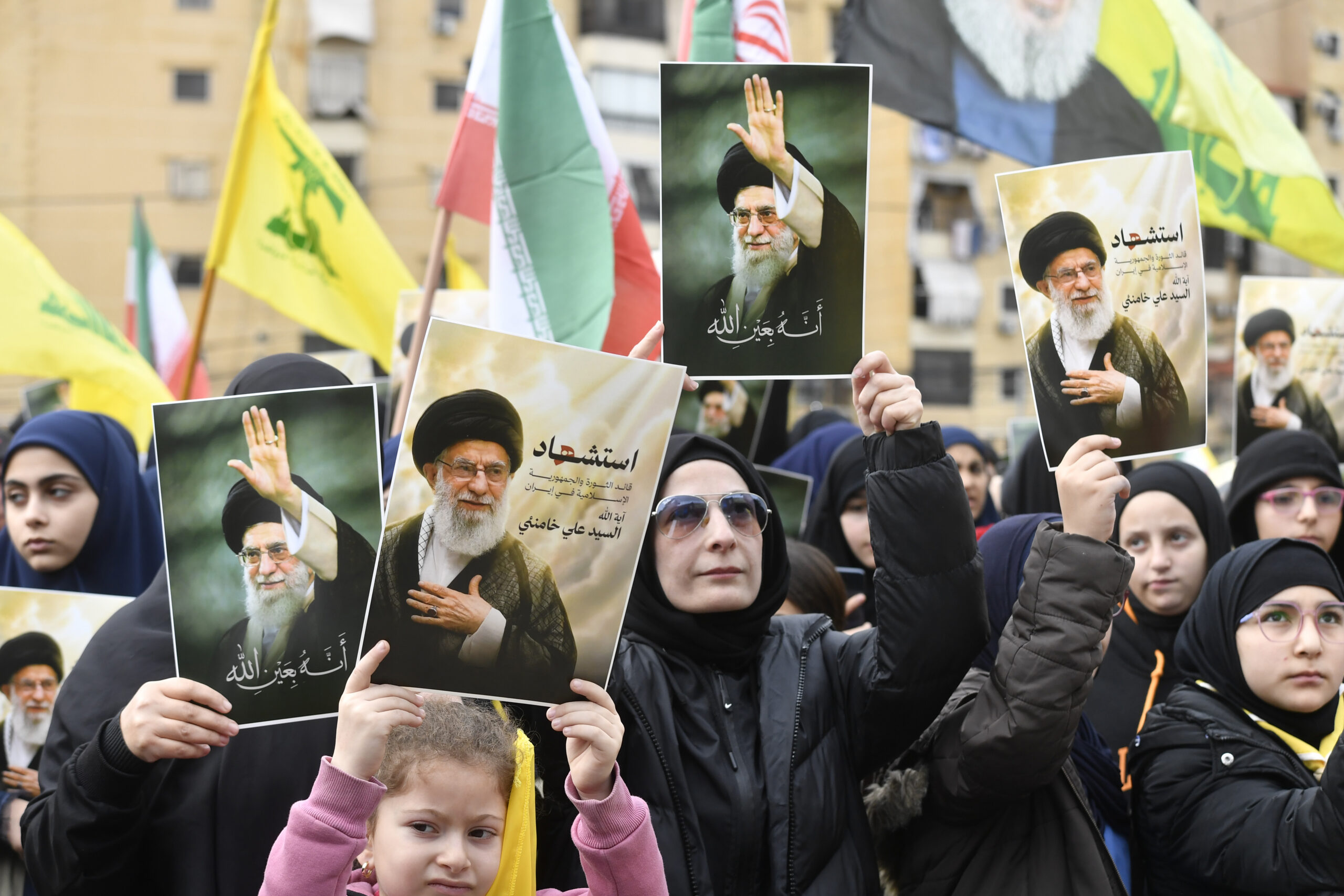
Hezbollah, a long-time ally of Iran, considered Khamenei to be a political and spiritual religious leader, making his assassination a red line for the group which has returned to attacking Israel after a ceasefire deal was secured in 2024.
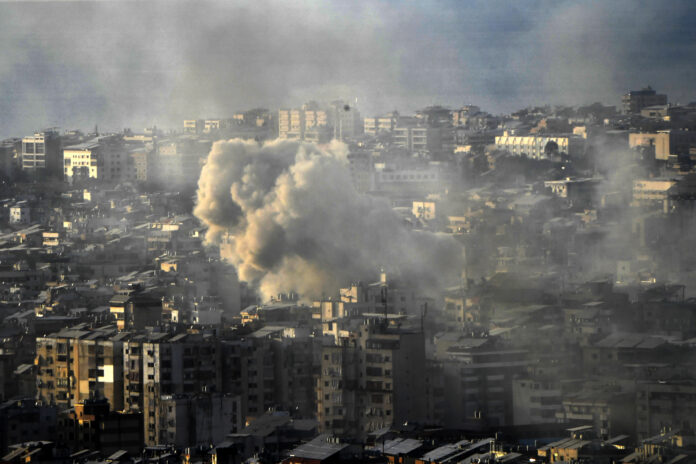
Hezbollah has claimed numerous rocket and drone attacks on northern Israel which Tel Aviv has launched relentless airstrikes across Lebanon, targeting Shia heavy areas in the south, east and in the capital Beirut.
Amid the fighting, reporters from the BBC and Sky News have both reported on a noticeable build up of Israeli military forces on the Lebanon border.

BBC reporter Lucy Williamson said on Friday: “A senior military official said on Thursday that Israeli ground forces were taking additional hilltops inside Lebanon – a defensive operation, he said, to better protect Israel’s northern communities.
“But there has been a significant military build-up here. On Friday morning we passed dozens of tanks and armoured bulldozers, newly-positioned right by the border, fuelling growing speculation that a full-scale ground invasion is planned.”
Subscribe to our newsletter and stay updated on the latest news and updates from around the Muslim world!
Israel has issued a massive evacuation order for southern Lebanon, reaching roughly 16 miles inside the country.
Hezbollah issued a warning to Israelis to evacuate 23 settlements near the Lebanese border and move at least 3 miles south, in response to evacuation orders Israel issued to Lebanese residents.
The Israel Defense Forces Chief of Staff Eyal Zamir has said the objective in Lebanon is disarming Hezbollah and that he will not let up until that is done.
“We may find ourselves manoeuvring into that area [south of the Litani river] in one capacity or another and we don’t want civilians there,” said the senior military official, speaking on condition of anonymity.
“We have plans to go as deep as needed, including to the Litani River and further, if instructed,” he said, adding that forces were in place to move immediately if ordered.
Lebanon: A costly and bloody war
According to Anadolu Agency, Hezbollah said it carried out 18 drone and rocket attacks on Israeli military sites in northern Israel and Israeli forces operating in southern Lebanon since early Friday.
The group said the attacks are “in response to Israeli aggression targeting dozens of Lebanese towns and cities, including Beirut’s southern suburbs.”
It said it launched a swarm of suicide drones against the Ktsavia base in the occupied Syrian Golan.
Hezbollah also said its fighters fired a guided missile at Israeli soldiers taking cover at the newly established Blat site in southern Lebanon, claiming a “direct hit.”
In additional attacks, Hezbollah said it launched rocket barrages at the Haifa naval base in northern Israel and at Israeli troop concentrations in Metula, Manara, Marj and Tellet al-Ajl.
Elsewhere, at least 16 people were killed and 35 others injured in Israeli airstrikes on the Bekaa Valley of eastern Lebanon, the Health Ministry said Saturday.

A series of Israeli airstrikes on the town of Nabi Chit in Baalbek resulted in a preliminary toll of 16 fatalities and 35 injuries, the ministry said in a statement carried by Lebanon’s National News Agency, NNA.
Clashes took place on the heights of the eastern mountain range along the Lebanese-Syrian border on the Nabi Chit–Hamm axis, aimed at repelling attempted Israeli landings, the agency reported early Saturday.
On Wednesday, Hezbollah’s secretary-general Naim Qassem said that Hezbollah’s return to the fight against Israel followed more than a year of restraint in the face of Israeli aggression.
“For a year and three months, the Israeli and American enemy has continued its aggression. We adhered to the ceasefire agreement of November 27, 2024, alongside the Lebanese state, but Israel did not adhere to a single clause.
“We did not respond to repeated Israeli attacks so as not to be accused of obstructing diplomatic efforts, and because responsibility lies with the state but it achieved nothing over fifteen months. We said repeatedly that patience has limits. The movement finally chose to fight back “to dispel any illusion that silence would bring calm.”
Despite the 2024 ceasefire deal, Israel has attacked Lebanon routinely prior to the start of the latest conflict between the two rival sides. Both the Lebanese government and the Shia militant group complained about the regular violations, which in many cases left innocent Lebanese civilians killed.
Israel claimed it was targeting terrorist activities and individuals which posed a threat to Tel Aviv.
Israel has invaded Lebanon many times over the years and each time their occupation has been passionately resisted by local armed Palestinian and Shia Lebanese groups. Israel was forced to abandon its occupation of Lebanon in 2006 following a sustained guerrilla war and a costly 34-day conflict which many experts claim Hezbollah came out as the victors of.
Hezbollah is a proscribed group in many western countries including the UK and expressing support for the group can earn you a lengthy prison sentence.