



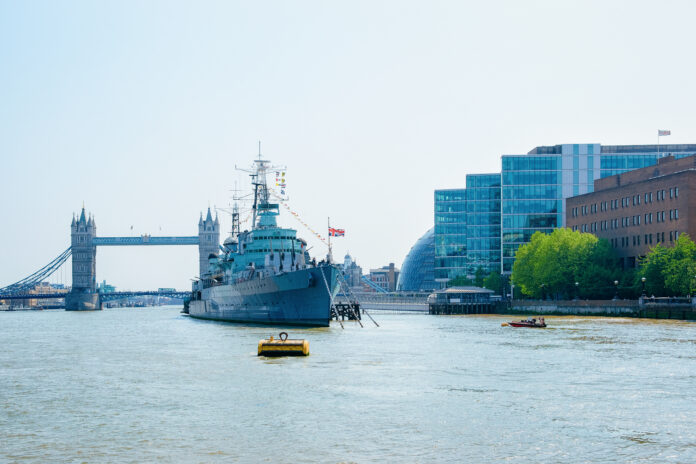
As fears of an imminent US ground invasion of Iran spiral toward a breaking point, Britain is planning on moving naval ships into the Strait of Hormuz, dragging the UK to the very edge of a rapidly expanding conflict.
The UK is weighing a potential deployment of a Royal Navy support vessel to the key trade route as part of contingency planning tied to the regional conflict.
The move centres on RFA Lyme Bay, an amphibious ship currently undergoing maintenance in Gibraltar, which could be redirected toward the strategic waterway.
According to reporting, the vessel would be outfitted with advanced autonomous systems designed for detecting and clearing naval mines. These include underwater drones and specialised mine hunting boats, allowing the ship to act as a mobile base for seabed scanning and disposal operations.
Officials stress that no final decision has been made. A defence source said that “no decision” had yet been taken on deployment to the Strait of Hormuz, adding: “This preventative step gives ministers options should they be needed to help resume the normal flow of merchant shipping.”

The RFA Lyme Bay is part of a broader effort by the UK to maintain readiness in a rapidly deteriorating security environment. While the ship was initially expected to conduct training exercises in the Mediterranean, its role has shifted toward possible operational deployment.
The vessel is capable of carrying up to 500 troops and is equipped with medical and weapons systems, making it suitable for both humanitarian and military missions. Its potential transformation into a mine clearance platform reflects growing concern over threats to commercial shipping lanes.
Subscribe to our newsletter and stay updated on the latest news and updates from around the Muslim world!
Mine warfare has become a central risk in the Strait of Hormuz, where narrow passageways make vessels vulnerable to disruption. By equipping Lyme Bay with drone systems, the UK aims to strengthen its ability to respond quickly if shipping routes are blocked.

Iran fighting hard
The deployment plan comes amid an intensifying conflict involving the United States, Israel, and Iran. According to a reported released by The Washington Post, the Pentagon is preparing for the US to launch a ground invasion of Iran as US forces deploy thousands of extra troops to the region.
Iran’s military has issued a stark warning that any US ground invasion would end in catastrophic consequences, declaring that American troops would become “good food for the sharks of the Persian Gulf.”
According to a statement by the spokesman for the Khatam al-Anbia Central Headquarters, Iranian forces are prepared to respond decisively if threats by US President Donald Trump materialize.
Lieutenant-Colonel Ebrahim Zolfaqari said Iran’s military is “counting down the moments” for the annihilation of US forces should any ground attack or occupation attempt be launched.
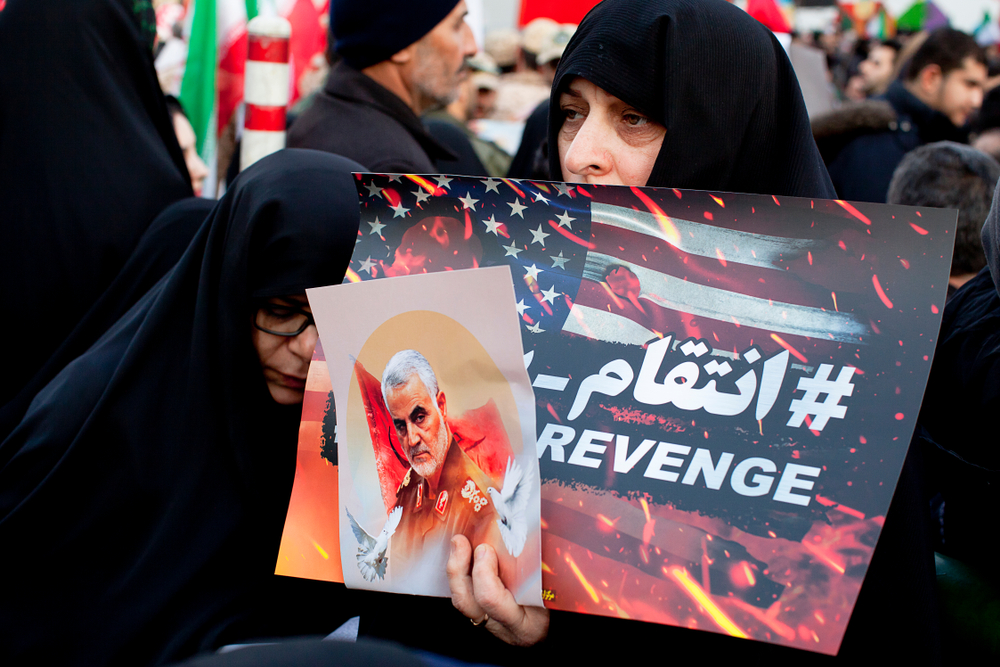
“Trump… has repeatedly threatened Iran with ground operations and the occupation of some islands in the Persian Gulf,” he said, adding that such ambitions are “nothing but a pipe dream.”
Iranian forces, he said, have long been awaiting such a move to demonstrate that “aggression and occupation will have no result other than disgraceful captivity, dismemberment, and the disappearance of the aggressors.”
Iran has responded to US and Israeli attacks with massive drone and missile strikes targeting Israel and US military assets in the region.
Multiple Arab countries have been hit including Jordan, Iraq, Bahrain, Saudi Arabia, Oman and the United Arab Emirates. These retaliatory strikes have caused casualties, infrastructure damage, and widespread disruption to aviation and financial markets.
The Strait of Hormuz has been heavily affected, with shipping flows significantly disrupted since early March. Roughly 20 million barrels of oil pass through the strait daily, making it one of the world’s most critical energy chokepoints.
If the UK deploys its navy to the region, even in a defensive capacity, Iran may consider it a high enough threat to attack the UK directly. This could drag the UK into the war, something which Prime Minister Keir Starmer has refused to commit to so far.
Trump mocks UK navy
The UK’s possible play to deploy the navy to the Persian Gulf comes days after the US President Donald Trump openly mocked Britain’s aircraft carriers.
Trump said: “The British said ‘we’ll send our aircraft carriers’, which aren’t the best aircraft carriers by the way.”
He added: “They are toys compared to what we have.”
The US president also suggested he had dismissed the offer, saying: “I said ‘that’s wonderful, thank you very much’, [but] don’t bother.”
In separate remarks, Trump said of allied support: “We don’t need them.”
The comments sparked backlash in the UK as the long-time ally of the US has faced heavy criticism from the President over London’s lack of enthusiasm to get involved in the Israel-instigated war.
It is likely that the UK is attempting to appease the US amid Trump’s very public displays of anger at the UK’s position.