


Somali journalist Mohamed Kahiye says he feels deep shame and responsibility in light of the Israeli involvement in Somaliland, which directly contradicts historic Somali solidarity with Palestine and marks a painful moral rupture that demands reflection and accountability.
When I first confirmed the news I had been closely monitoring, I was at the National Electoral Commission headquarters in Mogadishu, awaiting the announcement of recent local council election results.
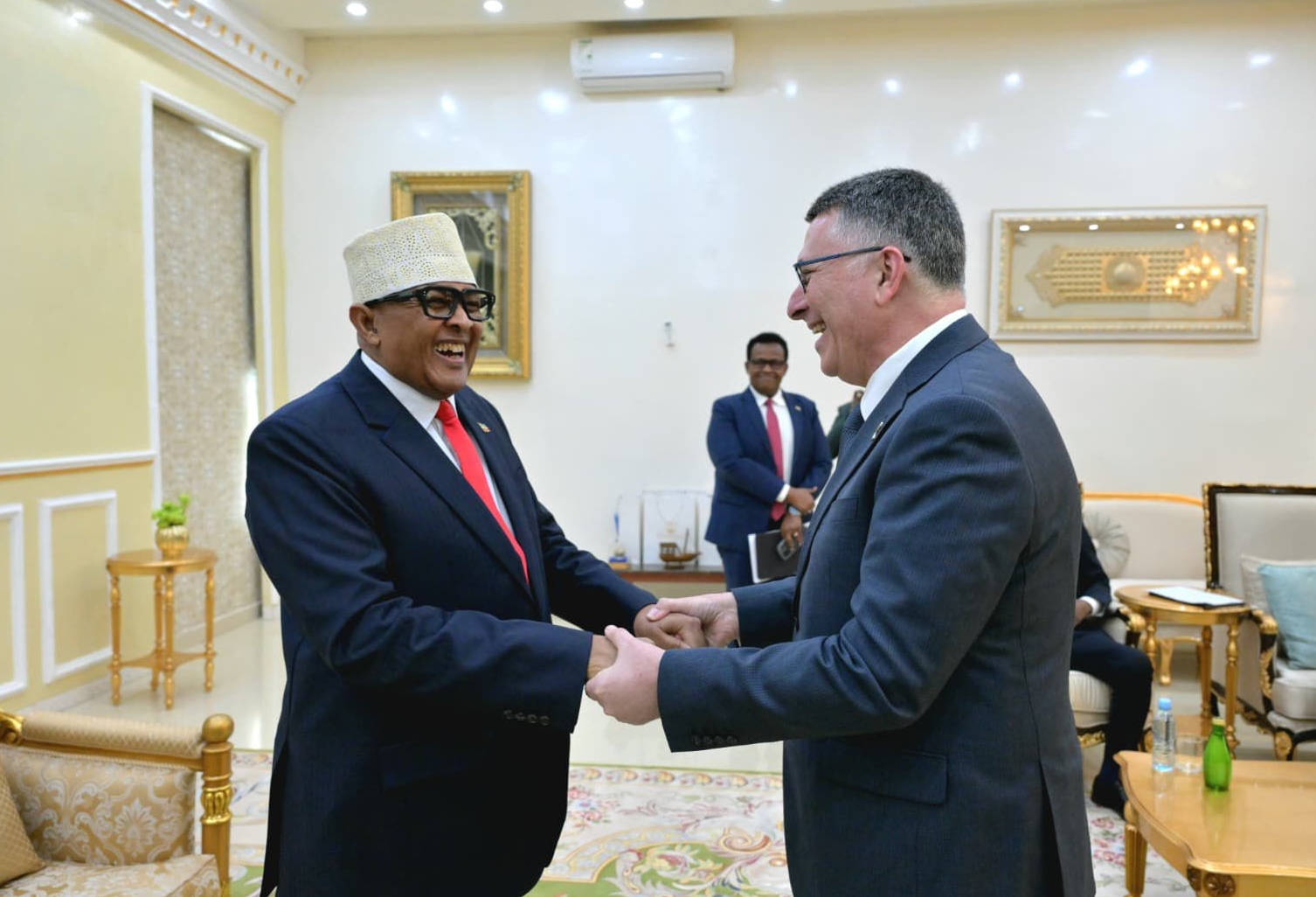
What I heard left me stunned. I could hardly believe it, especially when the confirmation came directly from Benjamin Netanyahu, the ICC-indicted leader of Israel, following his phone call with the leader of Somaliland, Abdirahman Abdullahi.
As a Somali and a Muslim, I feel compelled to offer my sincere apologies to our Palestinian brothers and sisters for the growing Israeli interest and welcome in parts of the territory of the Federal Republic of Somalia, particularly in the northern region known as Somaliland.
After more than two years of genocide, this development is not what Palestinians would expect from a people historically known for standing firmly with Islam, justice and oppressed nations. Somalia has long upheld the symbols of Muslim unity and resistance against occupation. This moment therefore represents a painful departure from that legacy.

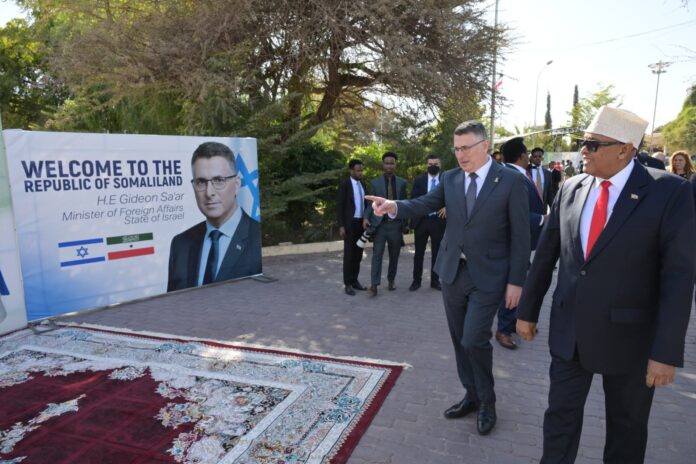
Scenes of Israeli flags being waved and selfies taken with journalists from Israel’s right-wing media outlets in Hargeisa were deeply disturbing. They were not only offensive to Palestinians but also to millions of Somalis who continue to stand in solidarity with their cause.
Foreign Minister Gideon Sa’ar even mocked Palestine as a non-existent state during a press briefing with the Somaliland president in Hargeisa on Tuesday. No one present appeared to object, including Somaliland officials who publicly stated that a deal with Tel Aviv has nothing to do with the Palestinian cause.
Subscribe to our newsletter and stay updated on the latest news and updates from around the Muslim world!
This has led many to question Israel’s real intentions, suggesting that recognition may not be the goal, but rather the transfer of Palestinian populations as part of a broader “Greater Israel” project.
The Israel-UAE project in the Horn of Africa
The official position of the Federal Government of Somalia has been unequivocal. Both the Ministry of Foreign Affairs in Mogadishu and Somalia’s representatives at the United Nations Security Council in New York have made it clear that Somalia will not accept recognition or political arrangements in exchange for Israeli presence in strategic waterways.
Such a move would endanger regional stability and threaten other Muslim nations, particularly in the Red Sea and Gulf of Aden, areas already central to geopolitical tensions and long-feared expansionist agendas.
That said, it must also be acknowledged that the Somali federal government, under President Hassan Sheikh Mohamud, was slow to respond decisively to this development. While Somalia faces undeniable challenges, including political fragmentation and security constraints, reliance on quiet diplomacy alone proved insufficient against a fast-moving and coordinated geopolitical maneuver.
A stronger, more assertive response, firmly backed by key allies such as Saudi Arabia, Qatar, Egypt, and Türkiye, was necessary from the outset.
I will personally recommend the establishment of joint, permanent naval and air bases in the strategic historic coastal towns of Seyla, Bosaso, Lasqoray, Hafun and Kismayo. This, coupled with the expulsion of UAE military presence, would serve as a strong deterrent to the expanding Israeli–Emirati footprint operating under the guise of the so-called Somaliland state.
Such measures would help counter not only Israel’s actions but also the role of the United Arab Emirates, the elephant in the room, which many believe has been instrumental in facilitating and enabling these developments.
Somalia’s position on Palestine has always been morally clear. What remains now is to ensure that this clarity is matched with timely action, stronger coordination among Muslim countries, and unwavering commitment to the principles that have long defined Somali solidarity with the Palestinian people.
Mohamed Kahiye is a freelance journalist based in Mogadishu.