



After the UAE’s retreat from south Yemen, Saudi Arabia invites Yemeni separatists for key talks in Riyadh following days of violent clashes and a bitter battle over the Hadhramaut region.
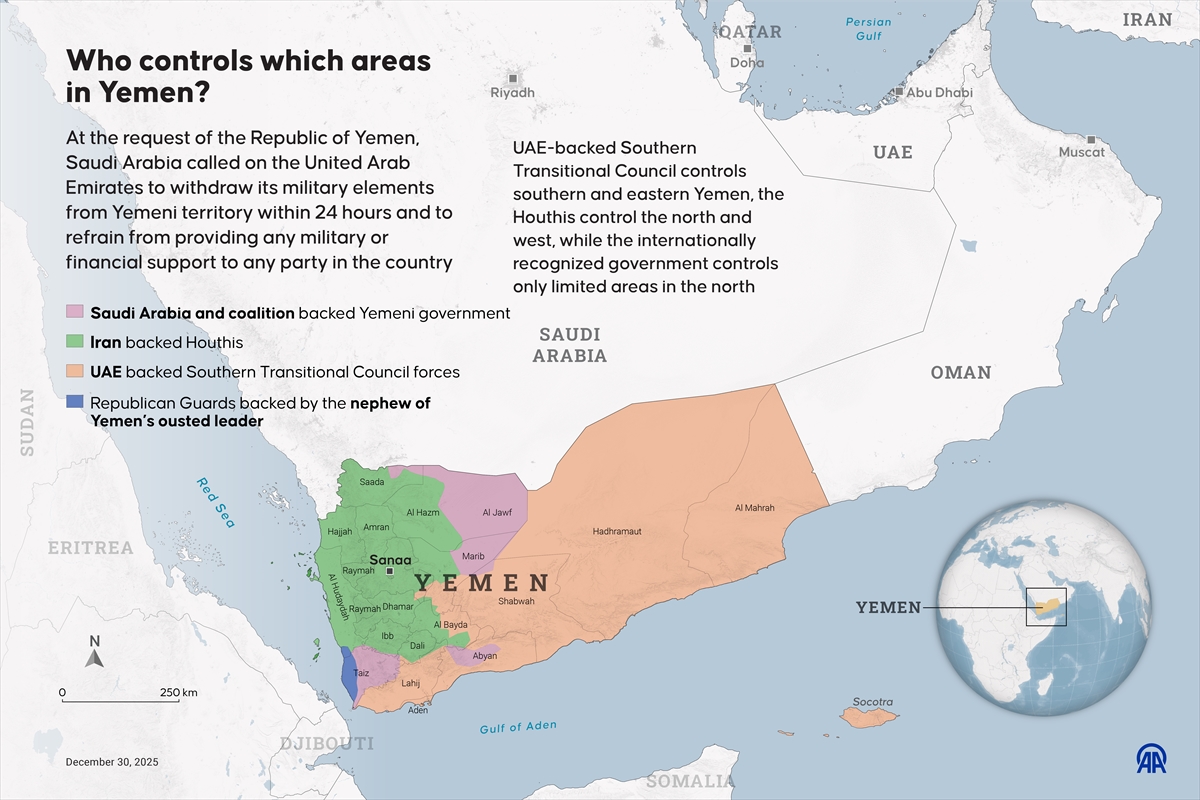
Saudi Arabia’s foreign ministry has called for Yemen’s southern factions to attend a “dialogue” in Riyadh, after a surprise independence bid and the United Arab Emirates declaring it had withdrawn all troops from Yemen.
Abu Dhabi said it had completed the return of its forces from Yemen following Saudi’s demands as tensions between the two Arabian state powers escalates over the UAE’s recent actions in the country.
The UAE, in its own statement, stressed “the importance of de-escalation, giving precedence to dialogue over confrontation,” and urged Yemenis to resolve their differences through understanding and consensus.
Abu Dhabi said its position is driven by a commitment to Yemen’s security, stability, and prosperity, amid growing unrest in the south, however, the UAE has been credited with orchestrating the recent violence when an armed southern separatists group seized large parts of Hadhramaut.

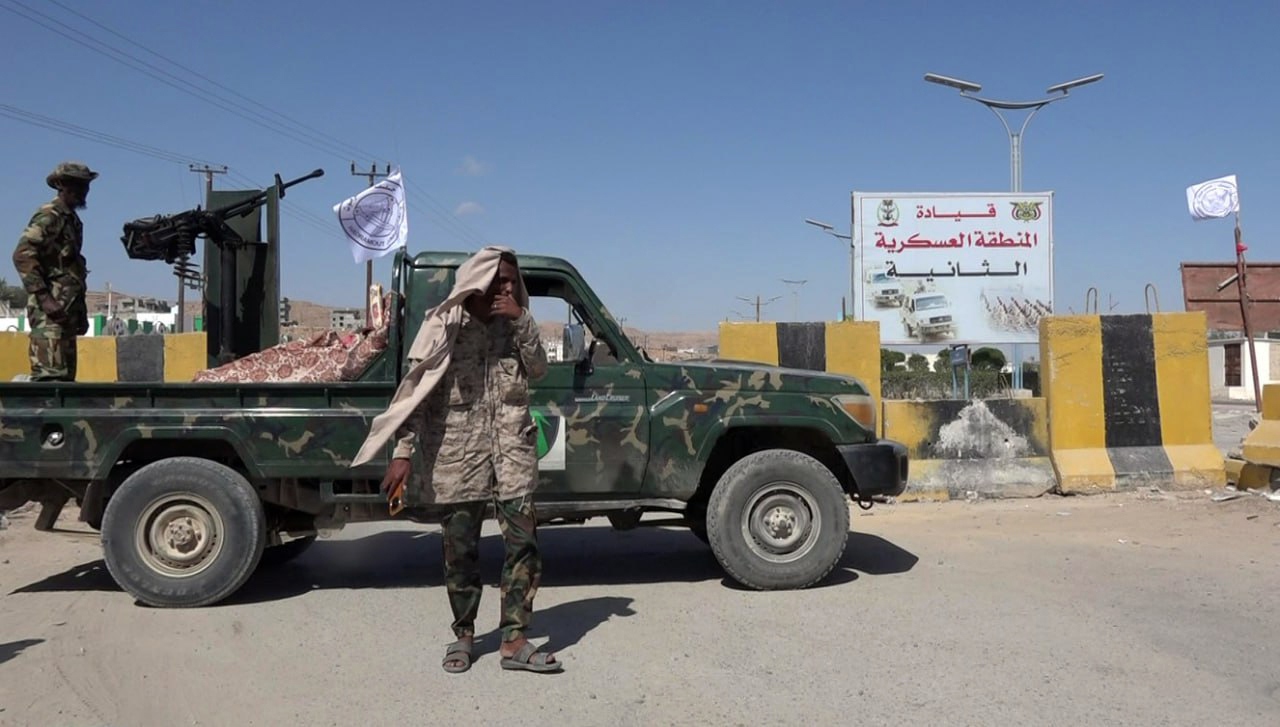
The Southern Transitional Council (STC) is a group which has long been backed by the UAE. The group aspires to break up Yemen and rule over the southern half of the Arab country.
Riyadh has accused the UAE of “pushing STC forces to carry out military operations” along the kingdom’s southern border, an accusation the UAE denied.
Subscribe to our newsletter and stay updated on the latest news and updates from around the Muslim world!
Qatar on Saturday welcomed efforts by Yemen’s internationally recognised Saudi-backed government to advance dialogue and address the crisis in the south.
In a statement, Qatar’s Foreign Ministry praised “efforts undertaken by the legitimate Yemeni government to support the Yemeni dialogue process and address the Southern Issue.”
Doha welcomed a request by the president of the Yemeni Presidential Leadership Council to convene a conference in Riyadh, presenting it as a constructive step toward political engagement.
The UAE, in its own statement, stressed “the importance of de-escalation, giving precedence to dialogue over confrontation,” and urged Yemenis to resolve their differences through understanding and consensus.
Abu Dhabi said its position is driven by a commitment to Yemen’s security, stability, and prosperity, amid growing unrest in the south, however, the UAE has been credited with orchestrating the recent violence when an armed southern separatists group seized large parts of Hadhramaut.
Riyadh conference
Saudi Arabia’s foreign ministry has called for Yemen’s southern factions to attend a “dialogue” in Riyadh, after a surprise independence bid and the United Arab Emirates declaring it had withdrawn all troops from Yemen.
Abu Dhabi said it had completed the return of its forces from Yemen following Saudi’s demands as tensions between the two Arabian state powers escalates over the UAE’s recent actions in the country.
Qatar welcomed Saudi Arabia’s role in hosting the planned conference in Riyadh, describing it as part of the kingdom’s “continued support for efforts aimed at achieving security and stability in the sisterly Republic of Yemen.”
Doha said the meeting aims to “bring the parties together for dialogue and to discuss fair solutions,” reflecting the Yemeni leadership’s “commitment to dialogue as a means of addressing national issues.”
Saudi Arabia was forced to violently confront the STC in Yemen after the group seized huge parts of the territory in December, a move which received support from pro-UAE accounts on social media.
Yemen is seen by Riyadh as a key area under its zone of influence and has long feared that a Yemen which is not under its influence poses a national security threat to the kingdom.
Iran and the UAE have both played a role in influencing affairs in the country following the outbreak of civil war after the rise of the Houthi AnsarAllah group to power in 2024-2015.
The country has been ravaged by conflict ever since leaving at least 150,000 dead accord to some estimates although the figure is likely much higher.