


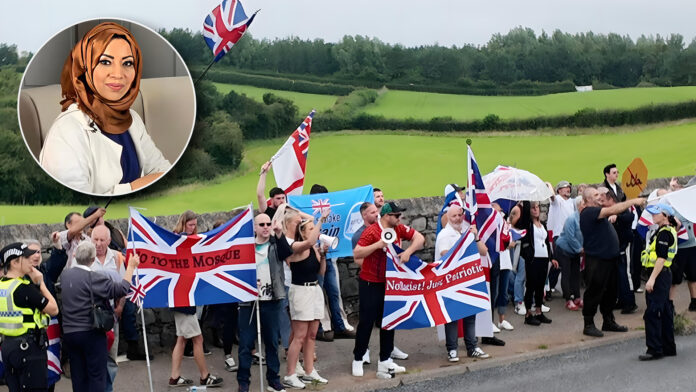
British Muslim commentator Fahima Mohamed is speaking out after she became the victim of vile racist and Islamophobic abuse following appearances on mainstream programmes such as Good Morning Britain and GB News. The hatred directed at me reflects a dangerous climate that is rapidly worsening, writes Fahima.
Over the past couple of years, I’ve appeared on several mainstream media platforms to discuss issues that affect this country like immigration, social cohesion, law, and public policy.
I’m invited because I offer a perspective grounded in lived experience as a Muslim woman, my professional work, and an understanding of UK law. Nothing extreme. Nothing hateful. Just my views that sit well within the boundaries of legitimate debate and free speech.
Yet, the reaction online following my recent appearances tells a very different story about the state in which the UK currently finds itself in. Hateful and alarmingly anti-free speech.
The volume and intensity of abuse I receive is unlike anything I see directed at others on the same platforms, in some cases even more vile that the abuse Muslim men experience expressing similar views. The difference is obvious, I am a Muslim woman, visibly so, wearing a hijab, speaking confidently on live television. For some, that alone is intolerable.

What begins as disagreement quickly turns into racism and bigotry. I’ve been told repeatedly that I “don’t belong here.” That I should “go back to a Muslim country.” That I am some kind of a threat simply for speaking my mind.
I’ve been called a “f**king Muslim” and much worse for expressing myself on TV. Yet, we are also told Muslim women are oppressed and aren’t allowed to speak.
Subscribe to our newsletter and stay updated on the latest news and updates from around the Muslim world!
Following an appearance on Good Morning Britain, GB News or elsewhere, am trolled online excessively, my private messages are bombarded with hate and I’ve even received angry and hate filled emails.
It has escalated to the point where I was forced to contact the police after receiving threatening emails and discovering that my personal information is being searched for online, with racist messages sent directly to companies I partner with, not about my work, but about who I am but accusing me of being “racist and hateful” without evidence. An obvious attempt to discredit my voice and silence me. That’s not debate. That is intimidation!
What makes this particularly galling is that my life in Britain didn’t begin by chance. I came here because of apartheid in South Africa. I came to Britain, built a life here over decades, worked hard, paid taxes, raising the next generation, and lived by the law, exactly as society expects. Yet none of that seems to matter to those self-described “patriots” who only see a Muslim woman – a foreigner – speaking publicly and decide she must be silenced but there is also a wider issue at play.
Muslims are constantly pulled into conversations in the media space about immigration, crime, and wider social failures – none of which is the fault of Muslims or Islam.
We are routinely collectively blamed for the actions of individual criminals. The politicised and selective outrage over grooming gangs is a clear example. Horrific crimes committed by nasty people, rightly prosecuted. Yet, somehow, used to smear an entire community in a way no other group is subjected to. Collective punishment has become normalised when Muslims are involved.
What’s striking is that this hostility isn’t about protecting the victims, improving policy, or strengthening the UK. It’s about control. About who is “allowed” to speak, and who is to be collectively blamed, scapegoated. It is about who must remain grateful, quiet, but ultimately invisible.
Despite the outpouring of right-wing hate, I will continue to speak my mind and call out the hypocrisy and double standards because I refuse to allow hate to win. I am invited onto these platforms because my voice is legitimate, lawful, and relevant. Disagreement is expected. Vigorous debate encouraged. But the tolerated abuse of Muslims in media must end.
The fact that a Muslim woman simply speaking within the law attracts such disproportionate hostility tells us far more about the state of our public discourse and British society than it does about me or my faith.
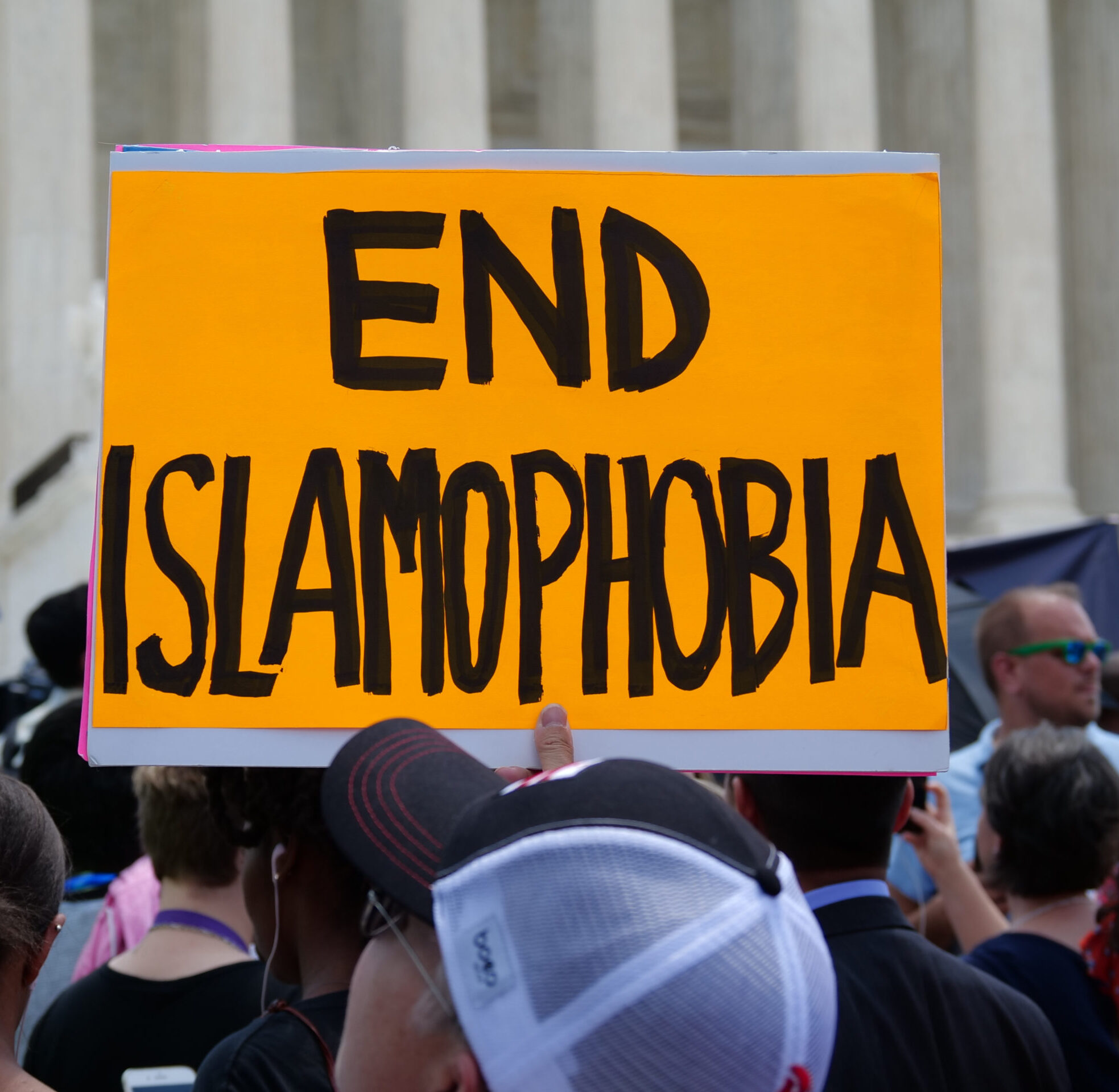
If Britain is serious about free speech, equality, and cohesion, then it must confront the reality. That the UK has a problem with Islamophobia and not dismiss the hate aimed at me as mere “online noise.” We must recognise it for what it is – racism – repackaged as legitimate patriotic outrage or the voice of the unheard masses.
Racism, Islamophobia and hate against Muslim women cannot and should not be tolerated anywhere.