A new study has warned that Tamil Hindu nationalist groups are expanding their presence in northern and eastern Sri Lanka, increasing pressure on Muslim and Christian minorities already facing discrimination in the country.
The report by the U.S.-based Center for the Study of Organized Hate says these groups are slowly building influence at the grassroots level and are adding to an environment of fear and hostility.
The study, titled Contours of Emerging Hate in Sri Lanka, argues that although the end of the civil war in 2009 ended large-scale fighting, it also opened up space for new forms of extremism. Researchers say a mix of religious nationalism, local politics and digital misinformation is reshaping social relations in the Tamil-majority north and east.
Much of this pressure is directed at Muslims and Christians, two minority communities that have long been part of Sri Lanka’s religious landscape. The report warns that some Hindu nationalist actors in Tamil areas are beginning to use tactics similar to Sinhala-Buddhist hardline groups that have targeted Muslims for more than a decade.
One of these Sinhala-Buddhist organisations is Bodu Bala Sena, widely accused by human rights groups of spreading anti-Muslim hatred through street mobilisation and online campaigns. Its messaging, which often portrays Muslims as a demographic and cultural threat, continues to influence public opinion. The report notes that Hindu nationalist groups appear to be adopting similar language in Tamil regions.

Sri Lanka’s population is majority Buddhist and largely Sinhalese, while Hindus form the main religious group among the Tamil minority. Muslims and Christians are also significant communities. Muslims in Sri Lanka are considered an ethnic community of their own and mostly speak Tamil.
Hindu nationalist groups
Subscribe to our newsletter and stay updated on the latest news and updates from around the Muslim world!
Against this backdrop, the report identifies several Hindu nationalist groups that have become active in the past decade. The most visible is Siva Senai, founded in 2016 in the Northern Province.
It presents itself as a guardian of Hindu heritage and Tamil identity, and often speaks about resisting what it calls Sinhalisation. This term refers to the spread of Sinhala-Buddhist symbols, institutions and settlement patterns into Tamil and Muslim-majority areas. These concerns reflect long-standing tensions over land, culture and political power in the north and east.
The researchers also mapped two other groups, Rudra Sena and Ravana Sena. While smaller, they share similar ideas rooted in Hindu nationalism, sometimes linked to Hindutva narratives popular in India.
The report says these groups push themes around protecting Hindu spaces, preventing conversion, opposing cattle slaughter and policing women’s behaviour. Although they operate on a limited scale, they have been able to attract attention in some communities.
Christian fears
Christian leaders in the north and east have expressed growing unease about this trend. According to the study, some church leaders say their congregations have faced pressure from activists who oppose conversion, interfaith marriage or even the display of Christian symbols. They believe some of the arguments used by these activists resemble those from Indian right-wing groups, raising concerns about cross-border ideological influence.
The report also notes evidence of social media connections between Sri Lankan Hindu nationalist actors and Indian politicians, media figures and religious activists. These links appear to amplify their messaging and give them visibility beyond their actual numbers on the ground.
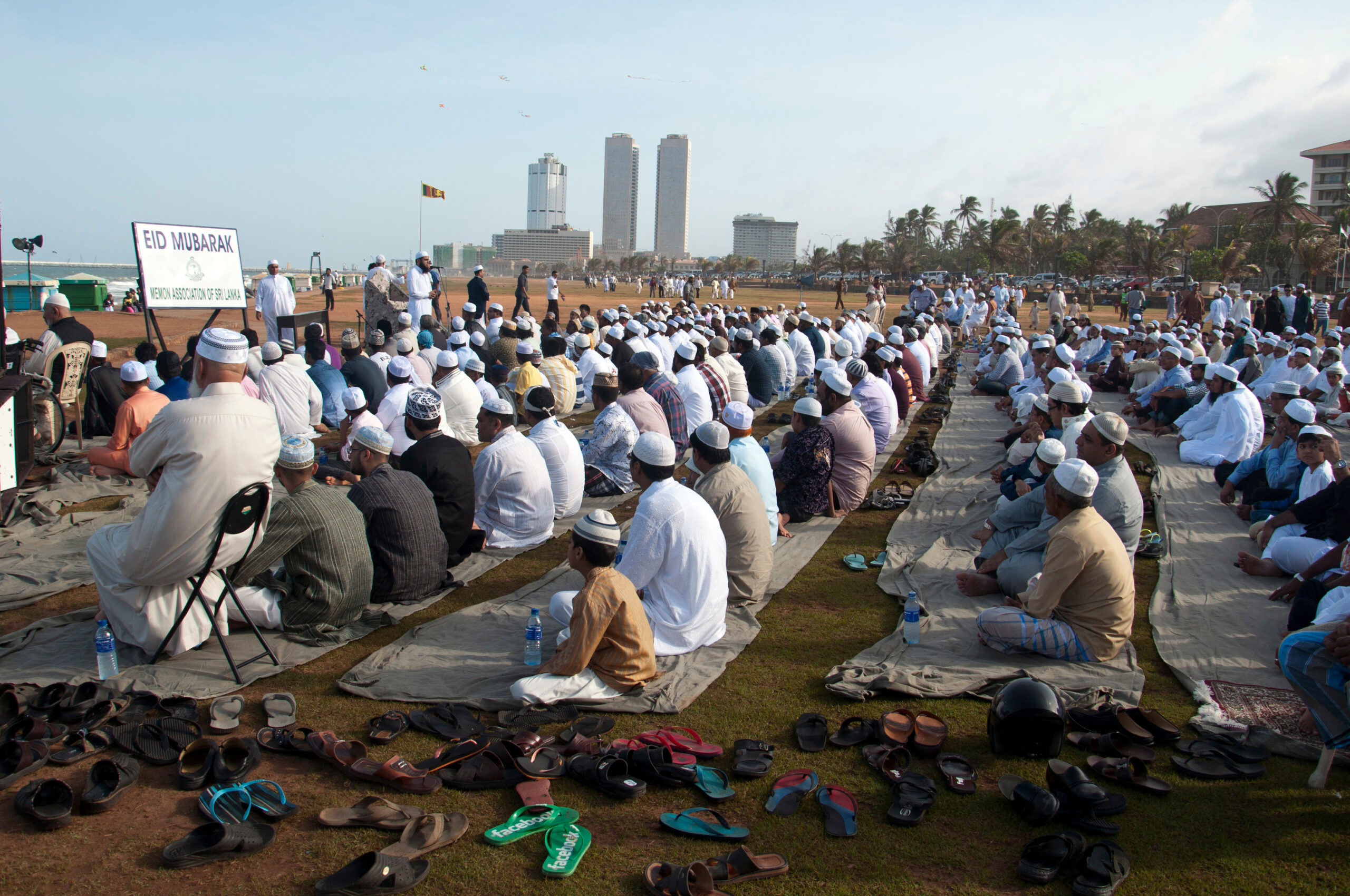
Researchers argue that the political landscape in Sri Lanka has shifted in ways that create opportunities for such groups. Major Tamil political parties are weaker than they were in the years after the war. At the same time, some previously influential Sinhala-Buddhist hardline groups have lost momentum.
The country’s economic crisis and political instability have also created openings for smaller organisations to position themselves as defenders of culture and community identity.
These developments come on top of an already tense environment for minorities. In recent years, many Sri Lankan Muslims have expressed fear of Sinhala-Buddhist nationalist mobilisation.
For Muslims, the emergence of Hindu nationalist groups adds a new layer to existing anxieties. For Christians in Tamil areas, the concern is that hostility may now come from within their own ethnic community rather than only from Sinhala-Buddhist actors.
The CSOH study concludes that while these Hindu groups remain small, their ideas are becoming normalised in political and social discussions. It warns that without strong protections for religious freedom and minority rights, Sri Lanka risks deepening divisions that have repeatedly contributed to discrimination, unrest and cycles of violence.