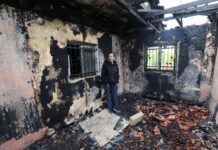



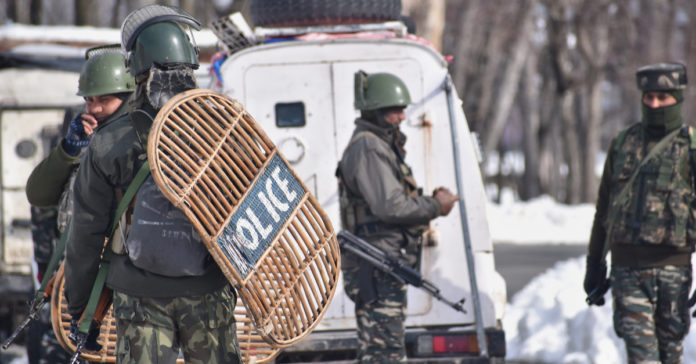
More than three decades after one of the most controversial mass rape cases linked to Indian security forces, survivors from the twin villages of Kunan and Poshpora say they are still waiting for justice as legal proceedings continue to stall in India’s courts.
The incident, described by survivors and human rights groups as one of the gravest cases of sexual violence during the Kashmir conflict, took place on the night of February 23, 1991, at the height of an armed insurgency against Indian rule in the Muslim-majority region.
A night survivors say changed everything
According to testimonies recorded by local officials and later rights investigations, soldiers from the Indian Army’s 4 Rajputana Rifles entered Kunan and Poshpora villages in Kupwara district during what authorities described as a counter-insurgency search operation. Such operations were common in the early 1990s, when violence between Indian forces and armed rebel groups had sharply escalated.
Villagers say soldiers separated men from women, forcing male residents outside for questioning while women remained inside their homes.

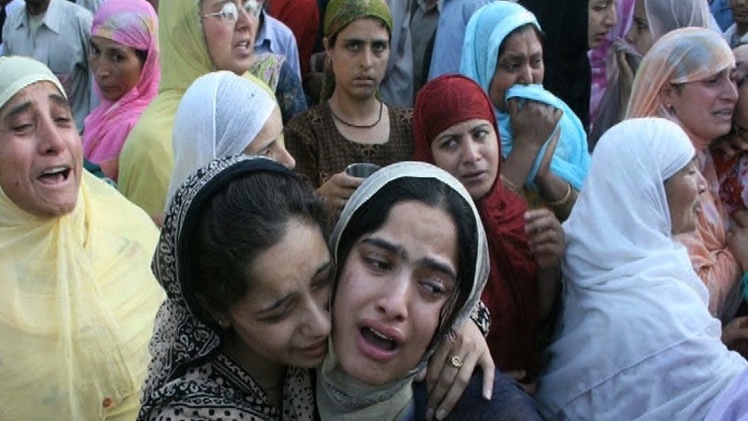
At least 23 women, with some accounts placing the number closer to 40, reported that Indian army personnel raped them through the night at gunpoint. Survivors included young girls as well as elderly women reportedly in their eighties. Many described severe physical injuries and long-term psychological trauma.
The Indian Army has denied the accusations and maintains that no such crimes occurred.
Subscribe to our newsletter and stay updated on the latest news and updates from around the Muslim world!
For survivors, the events of that night reshaped entire lives. Several women reported facing social stigma in conservative rural communities, where victims of sexual violence often endure ostracisation. Some marriages broke down, while younger victims reportedly left education due to trauma and societal pressure.
Delayed investigations and contested findings
The aftermath quickly became politically charged. An FIR, the formal step that initiates a criminal investigation under Indian law, was registered only on March 8, 1991, nearly two weeks after protests by local residents.
A local magistrate’s preliminary inquiry recorded multiple rape complaints. However, later that year, a fact-finding team organised by India’s Press Council cleared the army of wrongdoing, concluding that the claims were unsubstantiated. Activists and survivors rejected the report, describing it as biased and incomplete.
International human rights organisations raised concerns, arguing that the investigation lacked independence in a conflict zone heavily controlled by security forces.
In 1993, the Indian government ordered another inquiry led by a retired judge. Critics again dismissed the move as inadequate, saying it failed to meaningfully examine survivors’ testimonies.
A decades-long legal battle
For years, the case remained largely dormant until survivors revived their legal fight in the mid-2000s.
Between 2005 and 2011, victims approached the Jammu and Kashmir State Human Rights Commission (SHRC), an official oversight body tasked with investigating rights violations. After its inquiry, the SHRC concluded that evidence supported that mass rape had taken place and recommended compensation for around 40 victims.
The compensation was never implemented, and the Indian government continued to reject the accusations.
In 2013, more than 50 survivors petitioned the Jammu and Kashmir High Court seeking a fresh investigation. Two years later, the army requested closure of the case citing lack of evidence, prompting legal challenges that led to a stay on further investigation.
Subsequent appeals reached India’s Supreme Court, where proceedings remain unresolved. Hearings continue intermittently, with no final verdict delivered.
Justice delayed, survivors aging
February 23 is marked by many Kashmiris as Kashmiri Women’s Resistance Day, commemorating the survivors’ struggle for accountability.
Human rights groups say the prolonged legal delays highlight wider concerns about access to justice in conflict-related sexual violence cases. Many witnesses have died during the decades-long process, while surviving complainants are now elderly.
Advocates argue that delays risk denying justice altogether, as survivors may not live to see a final ruling.
In 2020, survivors filed another petition urging courts to fast-track proceedings, warning that continued delays undermine confidence in the judicial system.
A deeply disputed chapter of the Kashmir conflict
The Indian government continues to describe the case as an attempt to malign the army’s reputation, reflecting the deeply polarised narratives surrounding Kashmir, a region claimed by both India and Pakistan and divided since 1947.
For international readers unfamiliar with the conflict, Indian-administered Kashmir has remained one of the world’s most militarised regions for decades, with hundreds of thousands of troops deployed amid recurring unrest and repeated allegations of human rights abuses.
While courts continue to deliberate, survivors in Kunan and Poshpora say their demand remains recognition, accountability and closure. More than three decades after the night they say changed their lives forever, justice remains unresolved.