


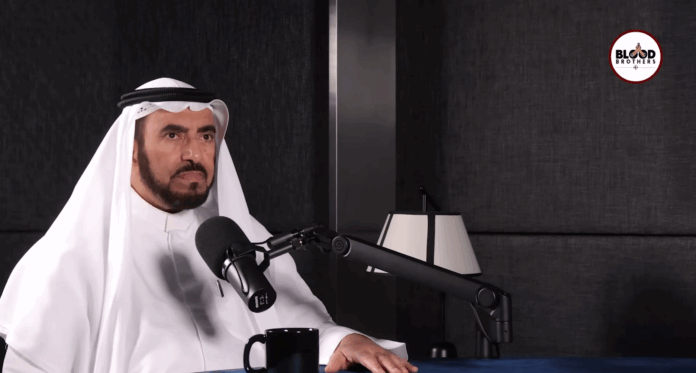
Kuwait has revoked the citizenship of prominent Islamic preacher Tareq Al Suwaidan, according to an official decree published in the country’s Al Youm newspaper.
The order, issued from Seif Palace and signed by the Emir, Sheikh Mishal Al Ahmad Al Jaber Al Sabah, also strips nationality from any dependents who acquired it through him. It took effect immediately following Cabinet approval and a recommendation by the First Deputy Prime Minister and Minister of Interior.
The government did not disclose the legal grounds for the move. Kuwaiti authorities have previously said that citizenship withdrawal can apply in cases involving fraud, criminal activity or threats to state security. The absence of a public explanation has fuelled widespread speculation about why one of the region’s most recognisable Islamic figures has been targeted.
Tareq Al Suwaidan is among the Arab world’s most influential Islamic speakers, with a reach that extends across media, education and religious programming. His lectures, television appearances and leadership training courses have attracted millions of followers. Over several decades, he has built an extensive regional profile that transcends Kuwait’s borders, earning both praise for his educational work and criticism for his political stances.
Born in 1953, Al Suwaidan studied classical Islamic sciences before moving to the United States at the age of 17. He spent roughly two decades there, completing a PhD in petroleum engineering from the University of Tulsa. This academic and cultural background shaped a career that blended Islamic scholarship, motivational speaking and media production, making him a household name in Gulf and broader Arab media.

For years, Al Suwaidan has played a central role in developing Islamic media content. He is the CEO and owner of Gulf Innovation Group and previously served as general manager of the satellite channel Al Resalah TV. He presented widely watched programmes on Islamic history, leadership and personal development. He was also named in The 500 Most Influential Muslims list in 2022, 2023 and 2024.
His public profile has often overlapped with political sensitivities in the region. In 2013, he was dismissed from Al Resalah TV by the channel’s owner, Prince Al Waleed bin Talal, after identifying himself as being affiliated with the Muslim Brotherhood. The incident drew significant regional attention and highlighted tensions between his Islamic messaging and political associations at a time when the Brotherhood was facing growing pressure across the Gulf.
Subscribe to our newsletter and stay updated on the latest news and updates from around the Muslim world!
Al Suwaidan has also been heavily involved in education. He helped establish several institutions, including the American Creativity Academy in Kuwait and international schools in Saudi Arabia and Qatar. His influence on Islamic education and leadership training has made him a key figure in shaping learning environments across the Gulf.
Reaction to the citizenship revocation has focused on the abrupt nature of the decision and the lack of publicly stated justification. With the decree now formal and published, attention is turning to how the move will affect Al Suwaidan’s legal status, his educational institutions and his future activities. The Kuwaiti government has not issued further clarification, and observers are watching for any developments that may shed light on the reasoning behind the ruling.