


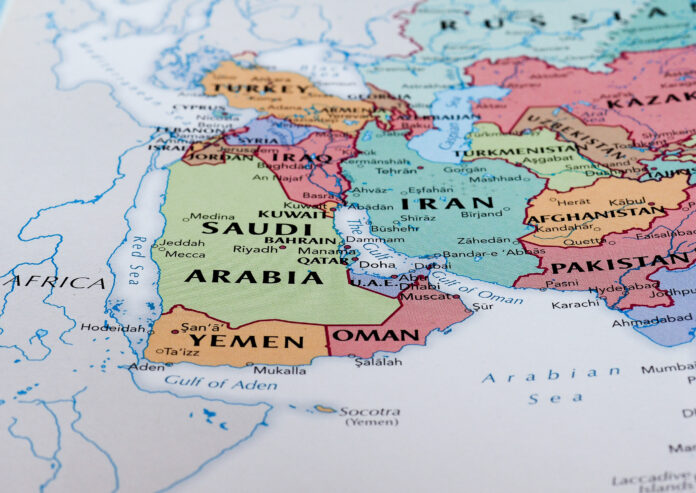
At a time when the Muslim world feels more divided than ever, the revival of the Hijaz Railway is one of the rare initiatives capable of binding its fractured heartlands together, writes Mohammed Siddique.
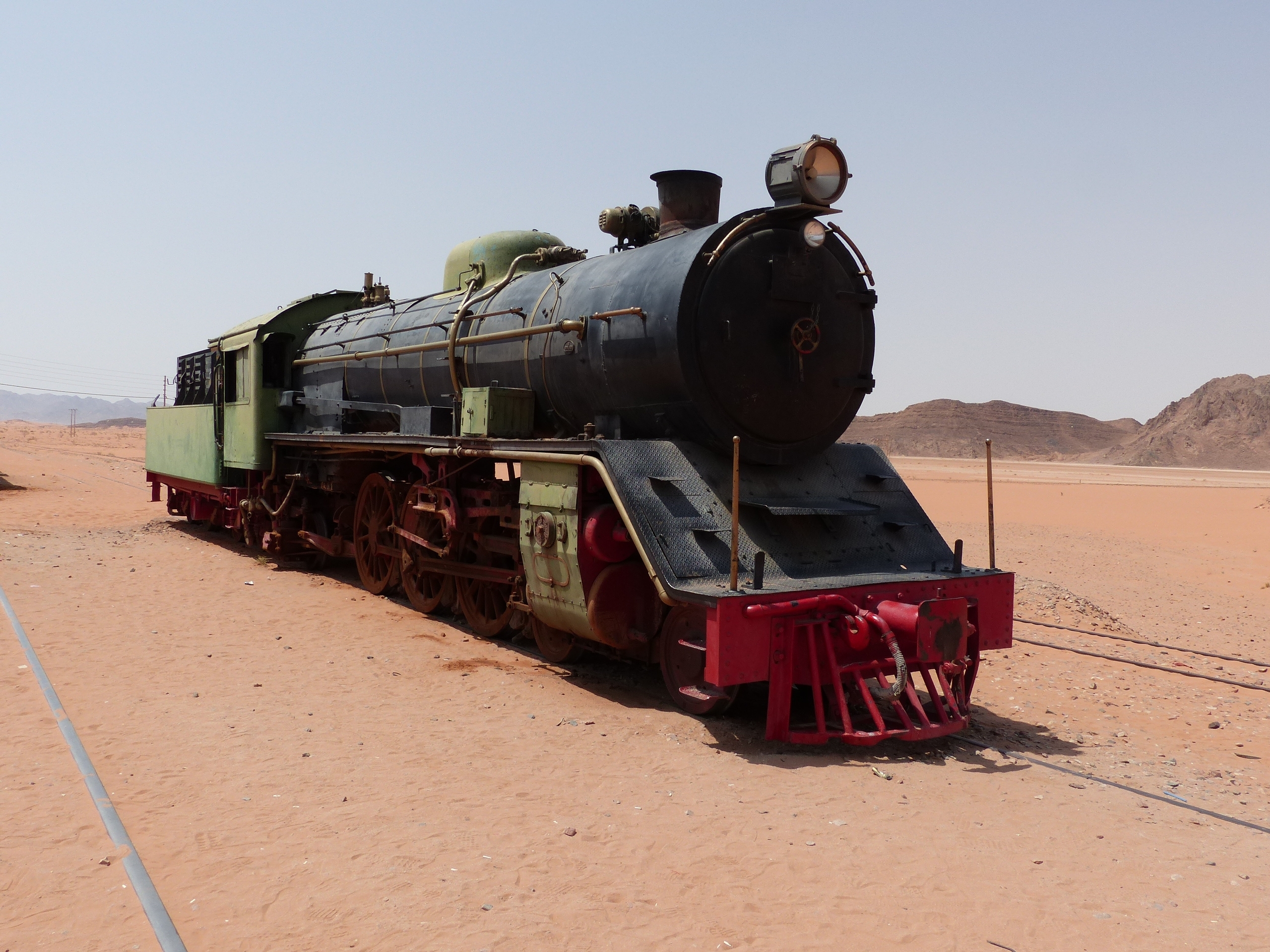
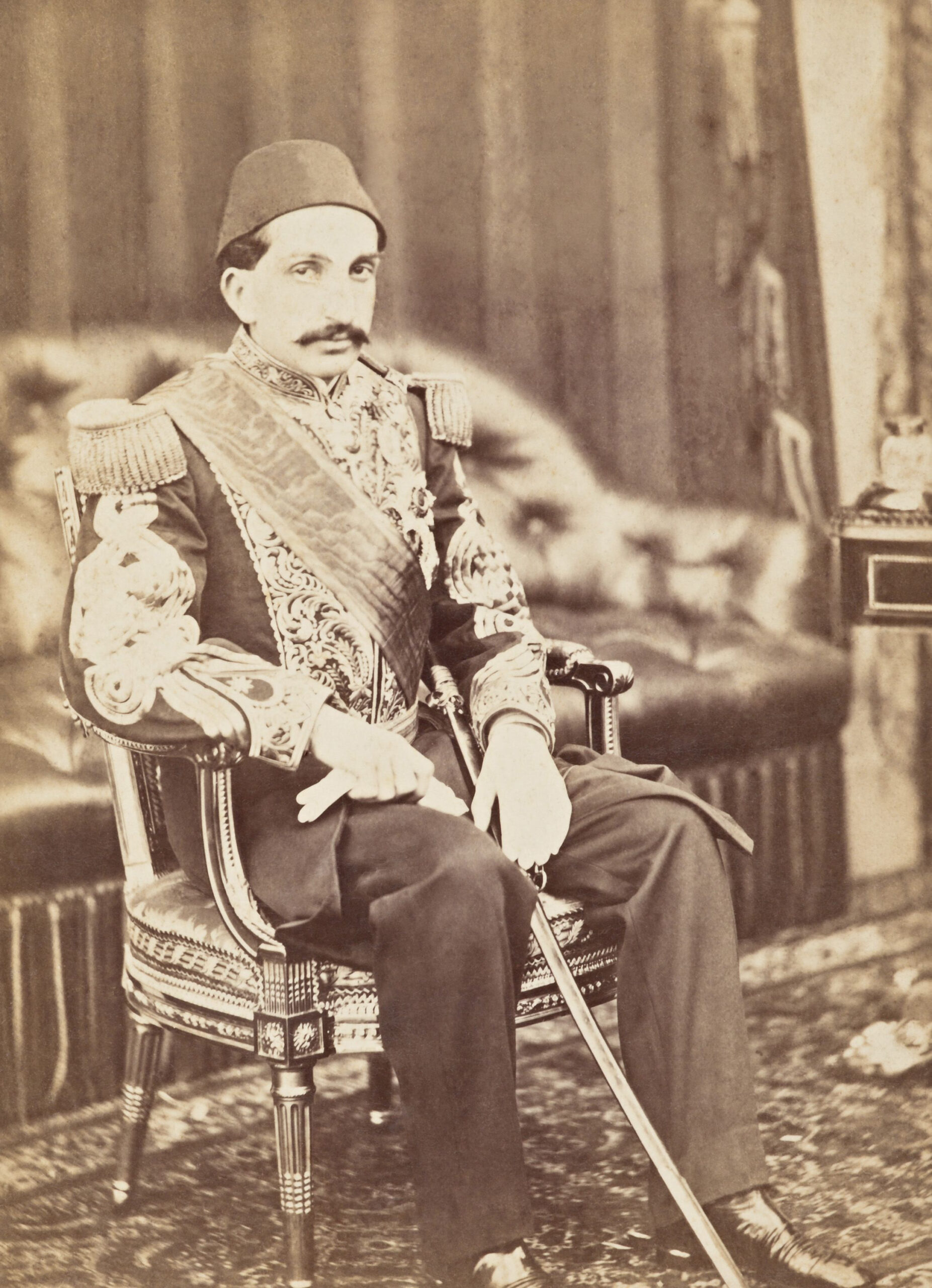
In the dusty terrain between Damascus and Amman lie the ghosts of a grand dream: the Hijaz Railway. Conceived by the Ottoman Sultan Abdul Hamid II, the line once ran from Istanbul to Madina al-Munawwarah, linking cities and settlements across the heartlands of the Muslim world.
More than a century after its rails fell into disrepair, Turkey, Syria and Jordan have announced plans to revive the historic route. If completed, the project would shift far more than people and goods; it could reshape regional connectivity, economics and identity.
When the original Istanbul–Medinah line launched in 1908, it was more than an infrastructure project. It was a statement. The railway was intended to ease the pilgrimage to Medina, strengthen the Ottomans’ hold on far-flung provinces, and symbolise Muslim unity under the Caliphate. Money poured in from across Anatolia, Asia and Africa. Pilgrims, administrators and soldiers travelled on its tracks, embodying a sense of shared purpose and political cohesion.
Revival in a fragmented region

On 23 September 2025, flanked by his Syrian and Jordanian counterparts, Turkey’s Transport and Infrastructure Minister Abdulkadir Uraloğlu proclaimed in Amman: “The historic Hejaz Railway is being revived.” He announced a draft Memorandum of Understanding covering broad cooperation in transport between the three states. Emphasising the project’s meaning, he added that they were preserving regional heritage while strengthening international transport corridors and building toward “a shared future in transportation.”
Fares Abu Dayyeh, Secretary-General of Jordan’s Ministry of Transport, described the meetings as a shift from strong bilateral relations to practical economic and strategic initiatives. Syria’s Deputy Minister for Road Transport, Mohammad Omar Rahal, also endorsed the project, stressing the economic potential of enhanced road and rail connectivity and its ability to reduce costs and shorten delivery times.
Subscribe to our newsletter and stay updated on the latest news and updates from around the Muslim world!
The revival of the Hijaz Railway is not simply nostalgia. It has three major practical implications.
Trade, transit and soft power
Restoring the corridor would lower costs and transit times for passengers and freight between Turkey, Syria and Jordan. Minister Uraloğlu said Turkey would support the completion of the missing 30 kilometres of track inside Syria, enabling a continuous link for trade and transport.
Syria, devastated by years of war, needs economic lifelines. Rail reconstruction offers jobs, infrastructure renewal and access to regional markets. Jordan could consolidate its position as a logistics hub, while Turkey benefits from its manufacturing strength and broader strategic reach.
The line’s revival will carry cultural weight. Ottoman-era stations and stops could become heritage sites. The project ties regional identity, memory and soft power to a tangible historical asset.
In a region fractured by conflict, reopening a line that once connected the heartlands of the Muslim world is a deliberate political gesture.
Syria, long defined by war and sanctions, is being drawn into a collective project rather than pushed further to the margins.
As Minister Rahal noted, such initiatives show that cooperation is possible even in places marked by prolonged isolation.
This project is not a new political bloc or military alignment. It is functional, not ideological: an attempt to build infrastructure and connectivity that transcends regime differences.
Regional revival
While the original line grew out of pan-Islamic Ottomanism, today’s revival speaks more quietly of shared heritage and regional interdependence. The memory of Muslims once pooling resources across continents to build a unifying project resonates powerfully in today’s fragmented Muslim world.
The Hijaz Railway’s route crosses some of the most divided lands in the Middle East. Reconnecting them—even partially—demonstrates that meaningful cooperation in the Muslim world is still possible. It offers a soft-power alternative: rails instead of walls, commerce over conflict, connection instead of rupture.
The project faces major obstacles. Financing is uncertain, infrastructure in parts of Syria is badly damaged, and the complete revival of the Istanbul–Madina line remains conceptual. Saudi Arabia, which hosts the final southern leg, has not indicated whether it will support full restoration.
Yet the northern focus—Turkey, Syria and Jordan—is realistic. The MoU is still a draft, and timelines remain vague, but the quiet, incremental approach may be the project’s greatest strength.
In a region defined by conflict and division, the restoration of the Hijaz Railway offers a different vision: connection rather than blockade, renewal rather than stagnation. When Minister Uraloğlu spoke of working toward a shared future in transportation, he was talking about far more than freight and tracks. He was pointing to an emerging network of relationships, economies and identities.
If the revival materialises, if trains again run between these capitals, and if stations once more throng with travellers speaking different languages and dialects, the Hijaz Railway may become a symbol not only of reconstruction but of a reimagined Middle East—one where infrastructure binds the Muslim world together and shared history becomes a platform for shared destiny.