



British military components have been found in Sudan in the possession of the Rapid Support Forces (RSF), a militia accused of genocide and ethnic cleansing, according to documents shared with the United Nations.
The Guardian reported that two evidence dossiers, dated June 2024 and March 2025, were submitted to the UN Security Council. They contain accounts and photographs showing that British-made Militec targeting devices and engines from Cummins Inc. — a UK subsidiary of the US-based engineering firm — were found at former RSF positions in Khartoum and Omdurman.
The files include photographs of an engine plate marked “Made in Great Britain by Cummins Inc.” attached to a Nimr armoured vehicle, which is produced in the United Arab Emirates (UAE). The images, which lack metadata or verified geolocation, appear to show UK-made components being used by RSF fighters. While the UN has not independently verified the images, a UN panel said allegations that the UAE supplied arms to the RSF were “credible.”
According to export records, the UK government has granted Militec export licences to the UAE since 2013. Between 2015 and 2024, 26 licences for military training devices under the “ML14” category were issued to 14 UK companies, including Militec, for permanent export to the UAE.

On 27 September 2024, three months after the UN flagged British-made equipment in Sudan, the UK government approved a new “open individual export licence” for similar products to the UAE.

These licences allow unlimited shipments without requiring the government to track where the equipment is ultimately used, raising concerns among campaigners about oversight and accountability.
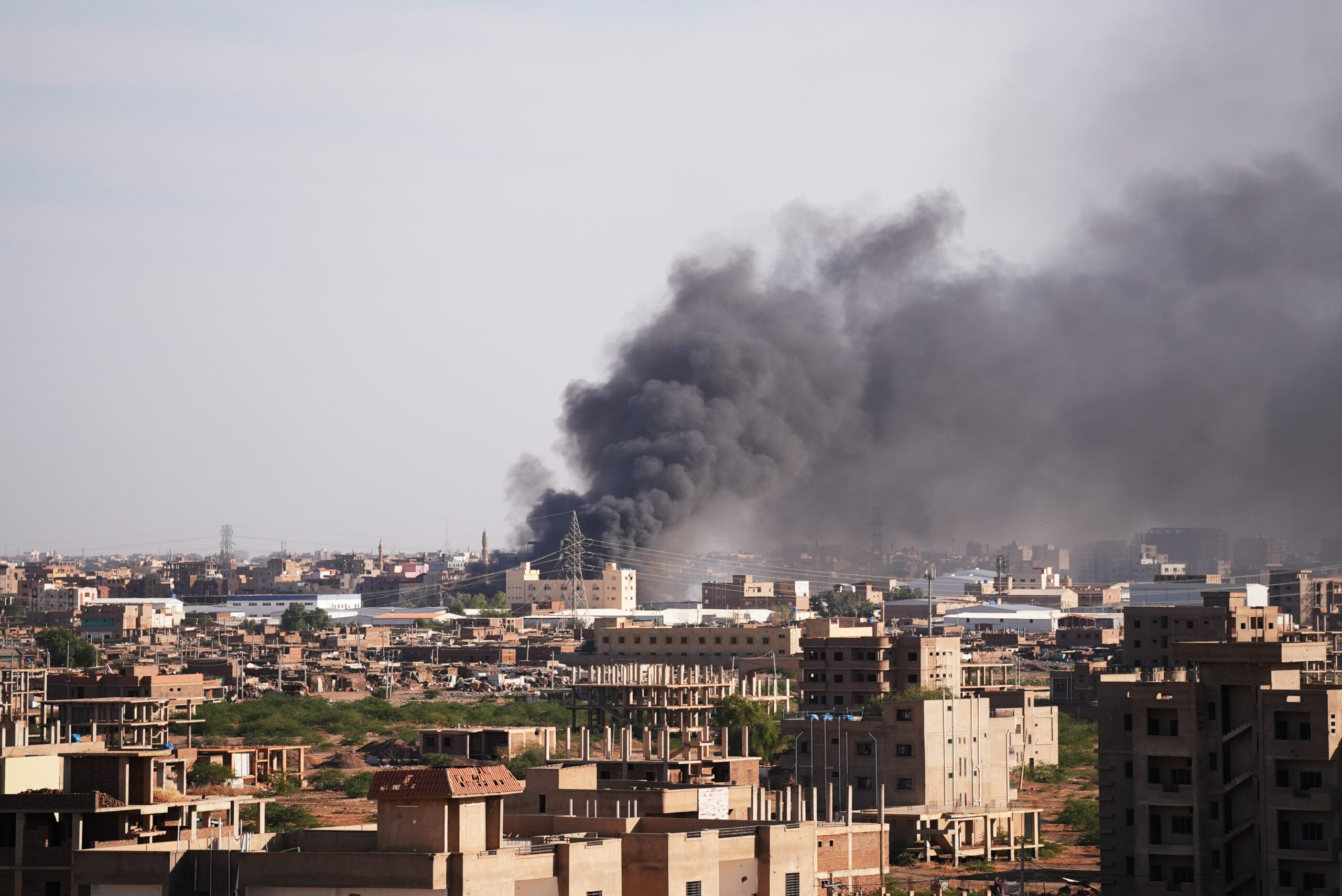
The RSF, which has been engaged in a brutal war with Sudan’s national army since April 2023, has been accused of ethnic massacres, systematic sexual violence, and the deliberate targeting of civilians.
Subscribe to our newsletter and stay updated on the latest news and updates from around the Muslim world!
The UN has described the conflict as the world’s worst humanitarian crisis, with at least 150,000 people killed, 12 million displaced, and 25 million facing acute hunger.
UAE under renewed scrutiny
The UAE has consistently denied allegations that it supplies weapons to the RSF, but mounting evidence suggests Emirati-manufactured vehicles and arms are being used by the militia. Multiple UN and investigative reports have previously accused the UAE of providing weapons to warring factions in Libya and Yemen in violation of international embargoes.
The Sudanese military claims to have captured several Nimr Ajban-series armoured personnel carriers from RSF fighters. One photographed engine plate, dated 16 June 2016, read “Made in Great Britain by Cummins Inc.” Cummins confirmed that the part was produced by its UK subsidiary, which manufactures engines for both civilian and military vehicles.
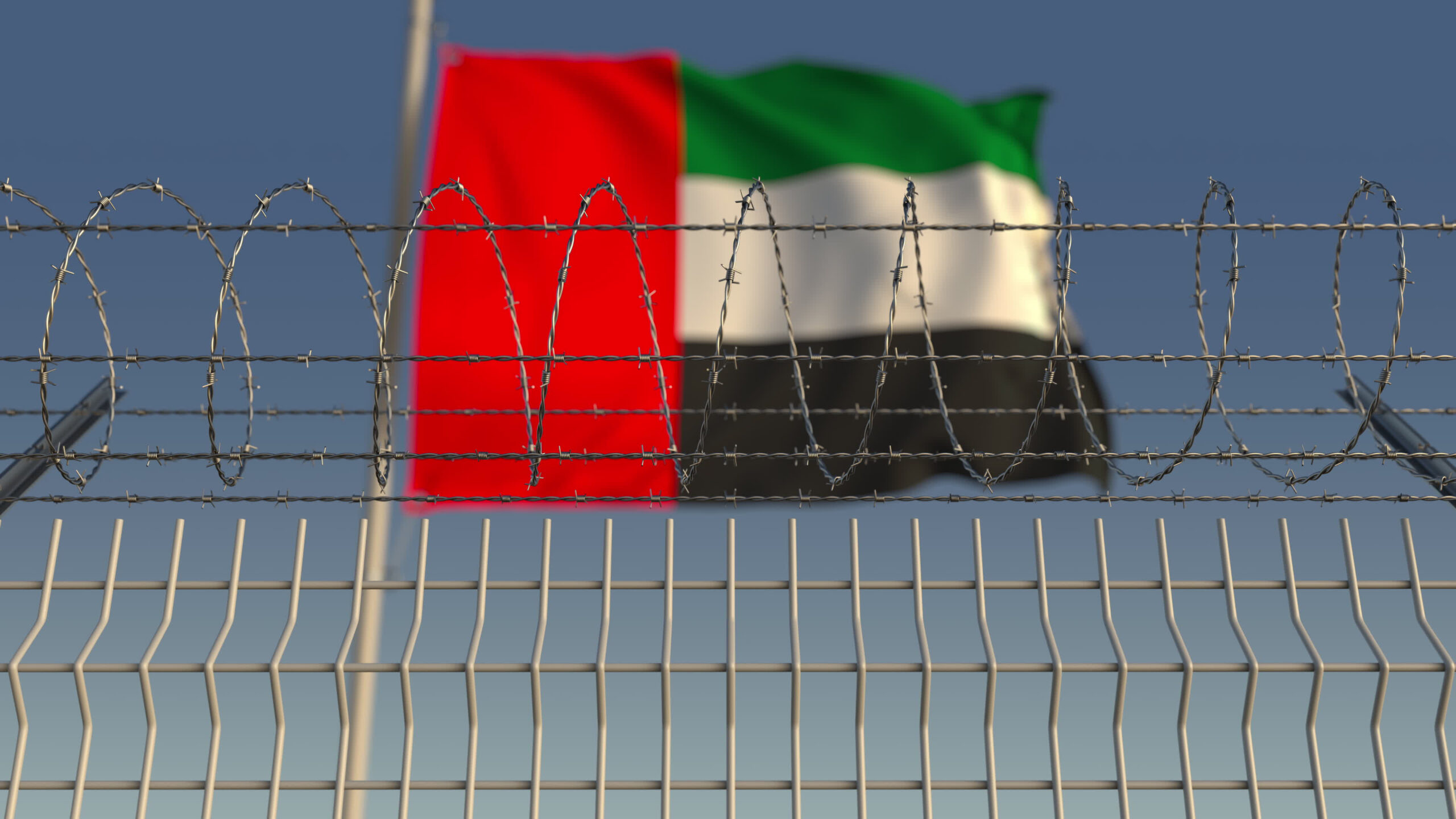
At that time, British authorities were already aware that the UAE had supplied Nimr vehicles to militias in Libya and Somalia. However, because Cummins engines are classified as “dual-use” — suitable for both civilian and military purposes — they did not require special export licences.
The revelation has reignited calls to tighten Britain’s dual-use export regulations.
A Cummins spokesperson told The Guardian: “Cummins has a strong compliance culture, as evidenced by our code of business conduct. With respect to Sudan specifically, we reviewed all our past transactions and did not identify any military transactions where Sudan was indicated as the end-use destination.”
Calls for accountability
The disclosures have alarmed human rights advocates and experts. Mike Lewis, a former member of the UN panel of experts on Sudan, said: “UK and treaty law straightforwardly oblige the government not to authorise arms exports where there is a clear risk of diversion or use in international crimes.”
He added: “Even before this further information about British-made equipment in Sudan, these licences should not have been issued, any more than to other governments responsible for arming the Sudan conflict.”
Advocacy groups are calling for all relevant export licences to the UAE to be suspended pending an independent investigation.
Abdallah Idriss Abugarda, chair of the UK-based Darfur Diaspora Association, urged urgent action.
He said: “The international community, including the UK, must investigate how this transfer occurred and ensure that no British technology or weaponry contributes to the suffering of innocent Sudanese civilians. Accountability and strict end-use monitoring are essential to prevent further complicity in these grave crimes.”
UK government’s response
A spokesperson for the Foreign, Commonwealth and Development Office (FCDO) said the UK maintains “one of the most stringent and transparent export control systems in the world.”
“All export licences are assessed for the risk of diversion to an undesirable end user or end use. We expect all countries to comply with their obligations under existing UN sanctions regimes,” the statement read. The government added that export applications are assessed on a case-by-case basis and are regularly refused when diversion risks are identified.
However, The Guardian’s findings suggest inconsistencies between those assurances and the government’s actions, particularly given the UAE’s repeated links to arms diversion. Critics argue that continuing to approve exports to Abu Dhabi undermines claims of rigorous oversight and breaches the UK’s obligations under the Arms Trade Treaty, which prohibits export authorisations when there is a clear risk of misuse or diversion.
As Sudan’s civil war enters its third year, the evidence raises a pressing question for British policymakers: how did UK-approved technology, originally licensed for an ally in the Gulf, end up in the hands of a militia accused of genocide and ethnic massacres?