





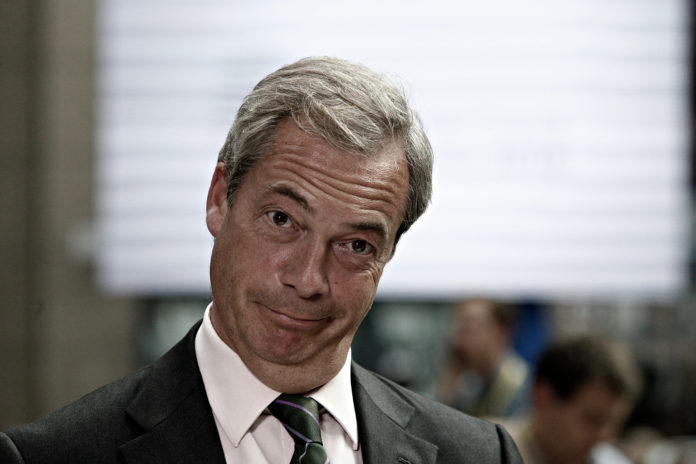
Jahangir Mohammed of the Ayaan Institute argues that the rise of the far right in the UK is an orchestrated campaign by big money to radicalise large swathes of the British public, pushing the nation towards potential civil war.
Nigel Farage, the leader of Reform UK and the MP for Clacton, has become a lightning rod in British politics, a figure whose influence seems to grow with every headline.
Yesterday, the BBC broadcast his speech about deporting 600,000 migrants live, as if he were the Prime Minister of this country. Yet Reform holds only four seats in Parliament.
But Farage is not a lone actor. His prominence is propped up by powerful interests -financiers, corporate media moguls, and political operatives – who have cultivated a narrative of division that threatens the social fabric of the United Kingdom.
This orchestrated campaign, steeped in anti-migrant and anti-Muslim rhetoric, is not just polarising; it is radicalising large swathes of the British public, pushing the nation towards a dangerous precipice.
The language used by Farage and his allies is calculated, often cloaked in the veneer of populism but laced with incendiary intent.
Terms like “invasion” to describe asylum seekers or references to “fighting-age men” flooding British shores are not mere rhetorical flourishes. They are deliberate dog whistles, designed to stoke fear and dehumanise entire communities.
Subscribe to our newsletter and stay updated on the latest news and updates from around the Muslim world!
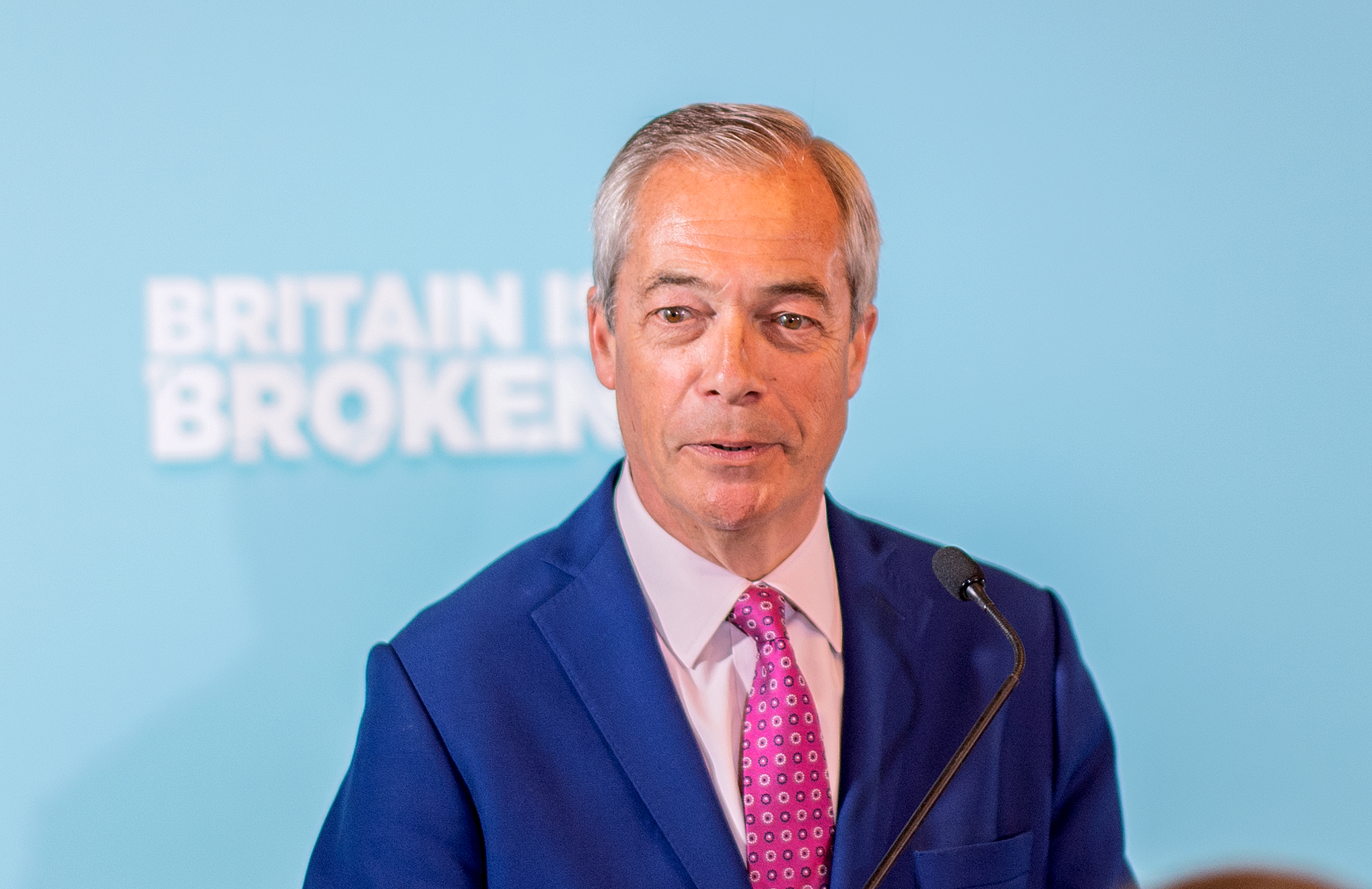
This rhetoric, amplified by corporate media outlets and, disappointingly, at times even the BBC, subtly encourages hostility, if not outright violence. It paints a picture of a Britain under siege, priming the public for conflict rather than fostering dialogue or understanding.
Consider Farage’s repeated calls for mass deportations, with estimates of removing 600,000 people from the UK. Such a policy is not only logistically impractical but also a recipe for chaos. Does Farage believe that such a sweeping action would unfold without resistance or violence?
The consequences of such inflammatory proposals are predictable, yet they are rarely interrogated by those who amplify his voice. Instead, the corporate media — owned by a handful of wealthy elites — have often acted as a megaphone for his divisive agenda, framing migration as an existential threat rather than a complex issue requiring nuanced solutions.
The narrative of a grassroots, working-class uprising against migrants is a myth. There was no organic groundswell of anti-immigrant sentiment emanating from Britain’s working-class communities. Rather, this movement has been manufactured by a coalition of well-heeled intellectuals, journalists, and politicians who exploit economic anxieties to advance their own prejudices and interests.
The working class, far from being the architects of this divisiveness, are being manipulated as pawns. When unrest erupts—when bricks are thrown or streets burn—it is working-class individuals who face arrest and imprisonment, not the financiers or media barons pulling the strings.
This raises a critical question: why is the focus so narrowly trained on Farage himself? The real culprits lie behind the scenes—the organ grinders, not the monkey. Security services and the government must shift their attention to the moneyed interests and foreign influences that fuel this politics of hate.
Who funds the think tanks and media outlets that amplify Farage’s message? What role do foreign governments or global capital play in shaping this narrative? Why is the BBC assisting Reform with so much attention? Is it part of a plan to radicalise this country into bigotry, hatred, and potential civil war?
These are the questions that demand answers, yet they are rarely asked.
Activists and concerned citizens must work to expose these hidden forces, ensuring that the working class understands who truly benefits from this manufactured division.
The Labour Party’s response to Farage’s rise has been equally disheartening. Rather than challenging his toxic rhetoric, Labour has too often capitulated, adopting his talking points in a misguided attempt to appeal to his base.
This strategy is not just morally bankrupt; it is politically short-sighted. By legitimising Farage’s agenda, Labour risks alienating its core supporters while failing to win over those already swayed by right-wing populism.
Worse, it contributes to the broader radicalisation of British society, normalising bigotry and entrenching hatred. If Labour continues down this path, it may as well hand Farage the keys to Number 10.
The new left-wing Your Party, headed by Jeremy Corbyn and Zara Sultana, must offer a bold alternative—a political movement that rejects the politics of fear and division in favour of education and unity.

It must tackle the real issues facing the nation: the influence of oligarchs and financiers, the legacy of imperialism, the complexities of migration, and the role of foreign powers like Israel in shaping global narratives.
It must reject the liberal status quo that has failed to address these challenges and instead offer a radical, principled vision for change.
This is not about creating another pro-imperialist, pro-establishment party that panders to vested interests. It is about fostering a movement that empowers the public with knowledge, not fear; that promotes solidarity, not division.
The working class deserves better than being used as fodder in a culture war orchestrated by elites.
The media, too, must be held accountable for its role in amplifying hate. A free press is vital to democracy, but when it becomes a tool for radicalisation, it betrays that responsibility.
The BBC is supposed to be a public service broadcaster, but it is doing the public a disservice by platforming Reform in this way. We need to end the licence fee. Why should the public pay for the promotion of racism and bigotry?
The path forward is clear but daunting. Britain stands at a crossroads, where the choices we make will determine whether we descend into further division or rise to meet the challenges of a diverse, interconnected world. Exposing the interests behind Farage’s rise is only the first step. We must also reject the politics of scapegoating and embrace a vision that unites rather than divides.
The alternative—a nation fractured by hatred and violence—is a future none of us can afford.