


As Europe-based supporters of the Syrian Kurdish armed group the SDF rage over Syria’s rapid advance in recapturing control over northern Syria, many Kurds and Arabs living inside the country share a harder truth: Syria’s future depends on freeing itself from foreign-backed ethnic militias and restoring genuine national sovereignty. 5Pillars’ Middle East correspondent explains.
The fighting between the Syrian government and the Kurdish armed group, the Syrian Democratic Forces (SDF), in northern Syria has exposed not only a territorial dispute, but a profound moral failure to understand the desperate need for the state to re-establish control after years of sectarianism, ethnic fighting groups and terrorism.
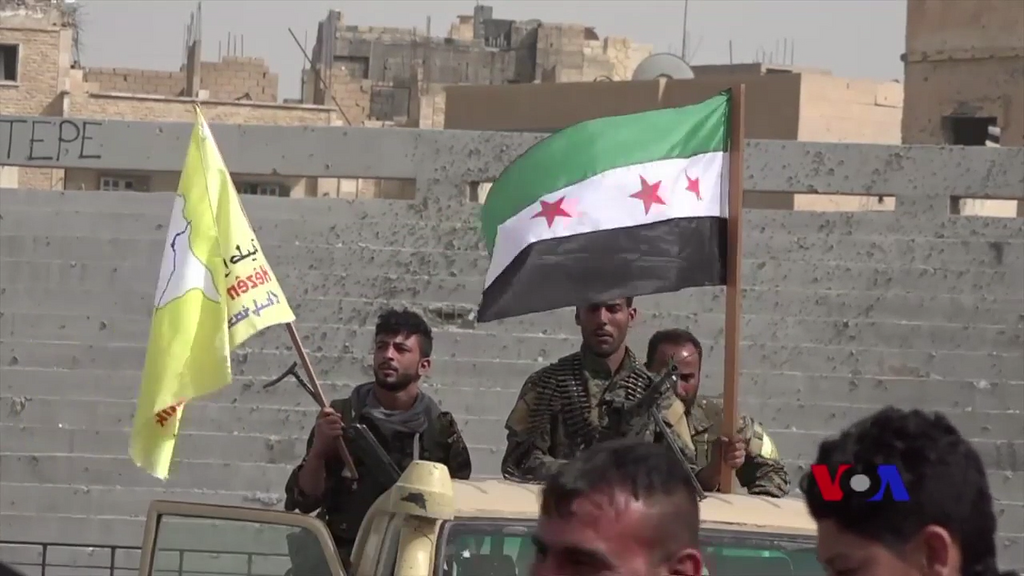
Recent confrontations in formerly SDF-controlled areas have triggered international reaction and visible unrest across Europe. Although ceasefires have been repeatedly extended during negotiations, protests organised by Kurdish diaspora groups sympathetic to the SDF have unfolded in multiple capitals, including The Hague and Berlin, with additional unrest reported in Germany, France and the UK.
These demonstrations accuse the Syrian government of attacking Kurdish civilians and demand European intervention. Yet beneath the slogans lies a deeply selective narrative that casts an effort by the Syrian state to establish central control over all Syrian territory as inherently illegitimate, while shielding a separatist militia from scrutiny, regardless of its poor record on human rights or questionable conduct in the past.
Syria needs state authority

European activism surrounding unrest in Syria’s north and east rests on moral short-sightedness. It assumes that the Syrian government’s return to breakaway territory ruled by foreign-backed armed militias must be rooted in ethnic hatred, while the SDF is presented as a bulwark between a certain ethnic group and annihilation.
This framing collapses essential distinctions. Kurds are not the SDF, and opposition to an armed organisation does not constitute hostility towards an entire people. Even within the SDF leadership, acknowledged divisions exist between hardline ideological factions and pragmatic elements open to integration with the Syrian state.
Subscribe to our newsletter and stay updated on the latest news and updates from around the Muslim world!
By reducing a complex political struggle into a two-dimensional morality play of victims and villains, activists export distortion rather than solidarity. The result is not protection for civilians or empowerment for all of Syria, but the amplification of fear, grievance, cultural division and hostility, which will never end and will forever weaken everyone in Syria.
The Syrian government’s stated objective in eastern Syria is the reassertion of state authority after nearly fourteen years of fragmentation and war.

This includes reclaiming territory, consolidating governance, and restoring political and economic control.
Government forces have advanced rapidly in northern and eastern regions previously held by the SDF. While contested, this process follows conventional state-building logic rather than a campaign of ethnic persecution.
Labelling these advances as “genocidal” or inherently criminal is not only inaccurate, it cheapens the meaning of such accusations and obstructs any serious discussion of accountability, integration or reconstruction.
It also misleads onlookers to the fact that the SDF is an armed group which has been accused of committing various human rights abuses in the areas it has seized since the start of the Syrian civil war.
The group is also considered a terrorist organisation in other Muslim countries such as Türkiye — a point often ignored when discussing the complex situation in the region.
Crimes and oppression under SDF rule
What European protests largely ignore is the reality of governance under the SDF in areas such as Deir ez-Zor.
Detention, surveillance and coercive compliance formed the backbone of this system. Political participation was tightly controlled, dissent was suppressed, and local grievances were treated as security threats rather than legitimate concerns.
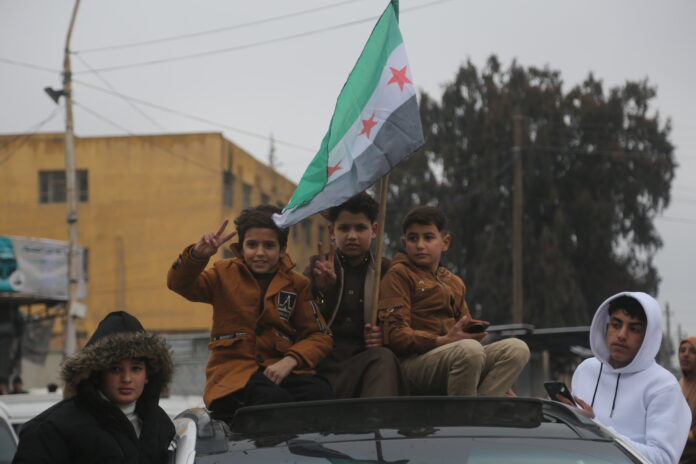
This record is not incidental. It is central to understanding why many Syrians in these regions do not share the romanticised image of the SDF promoted abroad. In fact, in areas which the Syrian army recently liberated from the SDF, locals have been seen celebrating their arrival — Kurds and Arabs alike.
Whatever one thinks of the Syrian government, headed by the Idlib-based warlord-turned-President Ahmed al-Sharaa, the fact is that under his leadership minorities have not been purged or subjected to genocide, as some claimed would be his intention after ousting the former dictator Bashar al-Assad.
In fact, al-Sharaa has issued a decree formally recognising Kurdish as a “national language” and restoring citizenship to Kurdish Syrians in an effort to reunite the rich and ethnically diverse nation.
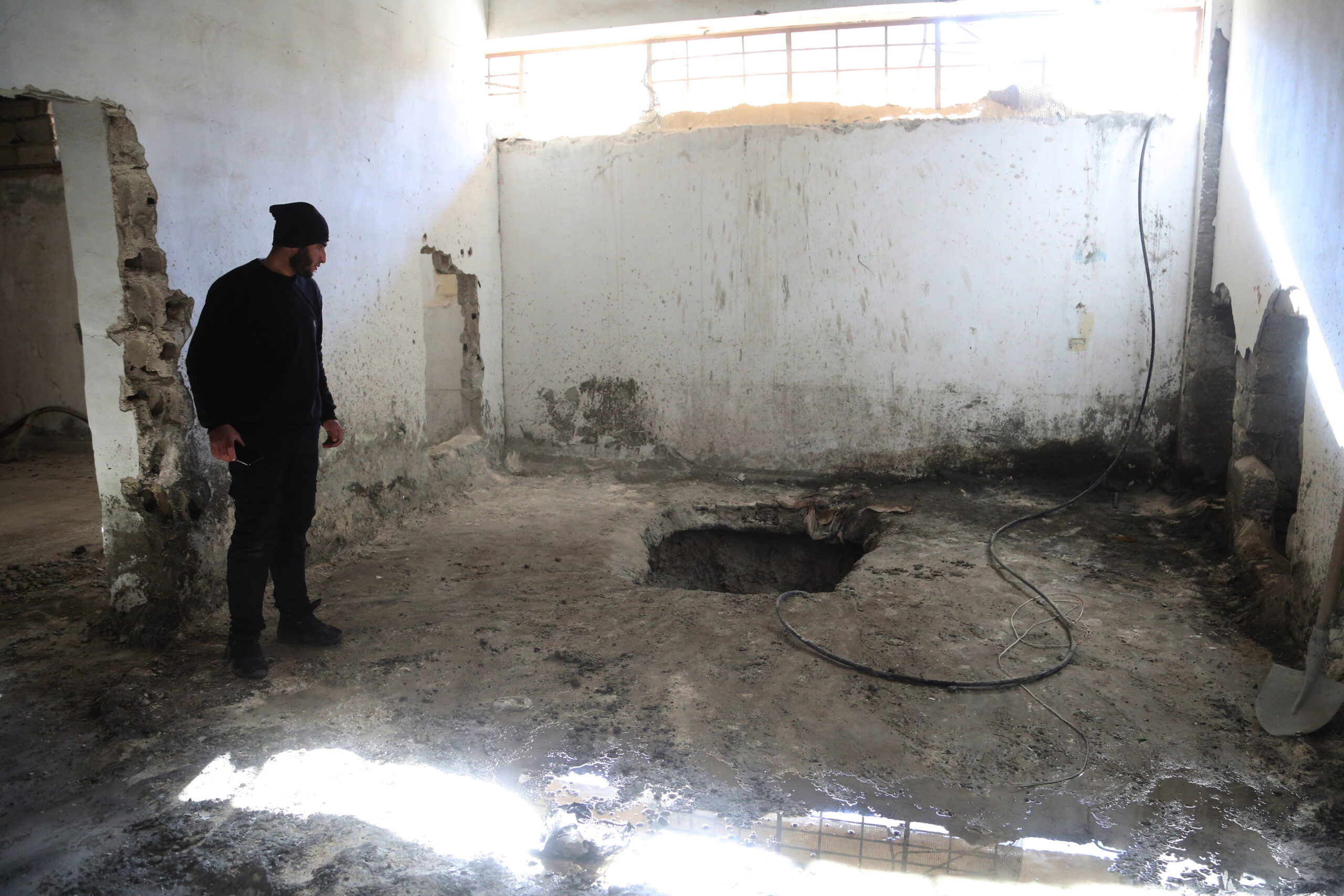
The clearest moral indictment of SDF rule lies in its detention system. Camps such as Al-Hol and prisons including Al-Aqtan became symbols of indefinite confinement, justified through vague claims of collective danger.
These facilities were consistently described as housing dangerous militants — a narrative that sustained foreign political and financial support. Yet reporting acknowledges that minors and individuals held on unproven charges were detained for years, with no meaningful individual review, even after government forces regained control.
Families were separated indefinitely. Children were imprisoned in facilities intended for adults. Detention was often based on suspicion or association rather than evidence. This was not justice.
It was administrative punishment on a mass scale, used to project an image of the SDF as a force protecting the world while securing continued foreign funding and political support.
The distortion does not end with rhetoric. European protests have escalated into harassment of Syrian civilians, clashes between rival demonstrators and vandalism of public property.
Syrians who support reunification, or who simply reject the SDF’s record, have been attacked and silenced abroad. Violence is excused when it is framed as defence of a favoured armed actor.
This double standard strips human rights language of credibility and turns solidarity into factional intimidation.
The local reality
Ceasefire extensions have been welcomed by many residents in northeastern Syria who are exhausted by war and arbitrary rule. Stability, not ideology, shapes their priorities.
Locals have expressed hope that state consolidation will reopen schools, restore services and end years of uncertainty. These voices rarely appear in diaspora activism.
Syria’s future will be decided through negotiations over authority, integration and accountability on Syrian soil, not through imported narratives shouted in European streets.
Justice cannot be selective. Authority must be accountable. And moral clarity demands that no armed actor be shielded from scrutiny simply because it aligns with foreign preferences.
Syrians, Arabs and Kurds alike, have seen enough war, hatred and division. Separatism and self-rule by racist de facto armed groups do not work. If Syria is to have a bright future, it needs a state which controls all of its assets and borders, limits the role of foreign actors in its internal affairs, and maintains firm control over national security.
Syrians who care about the future of all Syria, not just their sectarian or ethnic group, surely agree. The leadership and control of Syria must rest in the hands of Damascus and state institutions.