



Nearly 22 months into the genocide in Gaza and with the situation becoming increasingly unbearable, many of us forget the power of dua amidst the death and destruction, writes Maria Akbar.
There were many times I naively thought it couldn’t get any worse. I was wrong. Israel has moved from mass killing to the slow, calculated starvation of the desperate survivors of Gaza who remain. My hope in humanity is hanging by a thread. How is this unfolding before our very eyes? And more so, how are those in power remaining strapped to their seats, with no intention of standing up for the oppressed?
The Palestinian cause is a test for every one of us — the Palestinians, the wider Ummah, and world leaders, especially Muslim rulers and armies. How will we all respond?
As Muslims, we view life in its entirety as a test. Allah (SWT) tells us in Surah al-Baqarah: “And We will surely test you with something of fear and hunger and a loss of wealth and lives and fruits, but give good tidings to the patient.” [2:155]
Hardships test our faith and purify our souls. They are a means of attaining Allah’s pleasure and reward — depending on how we respond.

It is mentioned in the Sunnah: “When Allah loves a people, He tests them.”
The ones most severely tested are the prophets, then the righteous, and then those closest to them in virtue. The Prophet ﷺ himself faced innumerable trials in his lifetime.
Subscribe to our newsletter and stay updated on the latest news and updates from around the Muslim world!

It is clear that the Palestinians are among those beloved to Allah. Their strength, sabr, fortitude, and unwavering faith in the face of unthinkable suffering is truly extraordinary. I am certain they will be rewarded for every hardship they have endured.
But how do we reconcile the resource-rich, abundant lives we live in the West while our Palestinian brothers and sisters continue to suffer? The Ummah is one body — if one part hurts, we all feel the pain.
I can’t help but feel guilty as I prepare meal after meal for my family, knowing the ample resources at my fingertips feel almost sinful. And how could they not, when Palestinians — who have already lost everything, including their homes and loved ones — are now being starved, dying from malnourishment?
The reality is, what I can do may be limited — but we must maximise whatever is within our means.
The power of dua
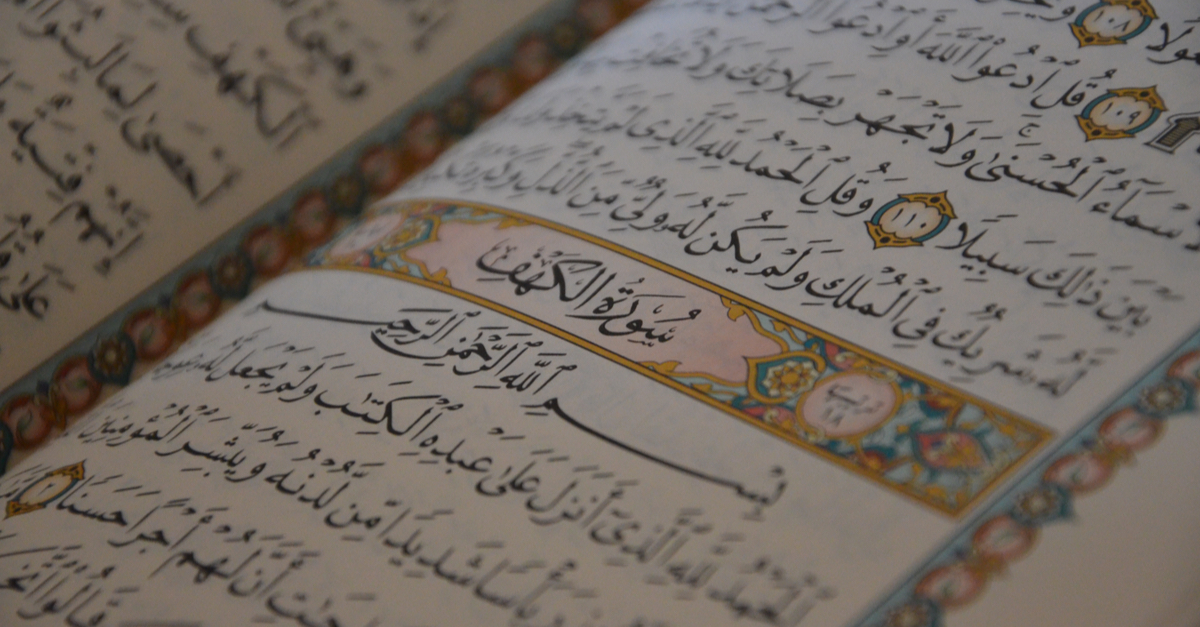
Dua (supplication) is the weapon of the believer. It should never be underestimated, dismissed or neglected, especially in times like these. Dua is, in itself, an act of worship — a powerful way to connect with Allah.
Allah says in Surah Ghafir: “Call upon Me; I will respond to you” [40:60], and in Surah al-Baqarah: “And when My servants ask you concerning Me — indeed I am near. I respond to the call of the supplicant when he calls upon Me.” [2:186]
Islamic history is full of examples where dua brought miraculous relief.
 The Prophet Yunus (peace be upon him) called upon Allah from the belly of the whale, and Allah rescued him.
Prophet Zakariyya (peace be upon him) made dua for a child despite his old age and his wife’s barrenness, and Allah granted him Yahya.
Dua can even change divine decree as stipulated in authentic hadith. Allah alone has power over all things. Even in this bleak and helpless situation, we must raise our hands in dua and place our trust in Him. In His infinite wisdom, He governs all creation and knows what is best.
It is mentioned in a hadith in At-Tirmidhi: “Indeed, your Lord is shy and generous. If His servant raises his hands to Him in supplication, He is shy to turn them away empty.”
So whatever you ask for, know that the All-Hearing has heard you. Allah responds in a manner befitting His majesty and knowledge. There are three outcomes to a sincere dua: it is either granted, it becomes a reward in the hereafter, or it averts a harm that was destined.
How to make dua effectively
To maximise the impact of our duas, we should:
- Begin by praising Allah and invoking His most beautiful names.
- Send salutations upon the Prophet Muhammad ﷺ.
- Ask repeatedly, with certainty and without haste.
- Ensure our income and sustenance are halal.
- Make dua during times when it is most likely to be accepted — such as in the last third of the night, while fasting, while travelling, or after obligatory prayers.
Dua is a source of strength and resilience in these testing times, so turn to Allah because He hears the call of every supplicant, and responds in the way He knows best.
Beyond dua
In addition to dua, we must act. We can, and should already:
- Donate regularly to trustworthy and vetted charities.
- Continue boycotting companies complicit in Israel’s genocide and occupation.
- Educate our children and peers.
- Protest and amplify the Palestinian liberation cause on social media.
There are ongoing efforts to desensitise us, to silence, distract, and make us forget. But we cannot allow that to happen. However subtle or overt their attempts may be, we choose how we respond — and we will be held accountable for that choice.