




In this review of the Netflix series Adolescence, blogger Najm Al-Din argues that children like the convicted killer portrayed in the series are symptoms of a Godless culture which keeps our kids in a perpetual cycle of trauma.
With the academic year closing and summer holidays underway, the six weeks break often coincides with an uptick in screen time for children and teenagers.
As the desire for indoor entertainment draws many families to popular streaming platforms, parents who are genuinely committed to helping young people navigate technology mindfully may want to engross themselves in the Netflix series “Adolescence.”
The critically-acclaimed drama has ignited fiery commentaries about the multifaceted crisis facing Britain’s young generation and follows the shattered lives of a family after their teenage son is accused of murdering a classmate.
Hailed as a cinematic masterpiece for its one-shot format, the stellar performances of Jamie Miller, the 13-year-old boy who fatally stabs a female peer, and his father Eddie who struggles to keep their distraught family together in the aftermath, has been dubbed a watershed moment in the debate surrounding children and social media usage.

With knife crime at epidemic levels and more children exposed to harmful online content than ever before, the zeitgeist-capturing series shines a light on the intricate web of factors which lure some children towards abnormal behaviour.
Manosphere
Subscribe to our newsletter and stay updated on the latest news and updates from around the Muslim world!
One of the show’s key messages is that young boys are seeking identity in a murky online world which promotes warped perceptions of sex and relationships.
It’s suggested that Jamie was radicalised after facing romantic rejection from classmate Katie, who used mocking redpill emojis on Instagram to indicate his “incel” status, a term which describes a subculture of sexually-frustrated involuntary male celibates who subscribe to the “manosphere.”
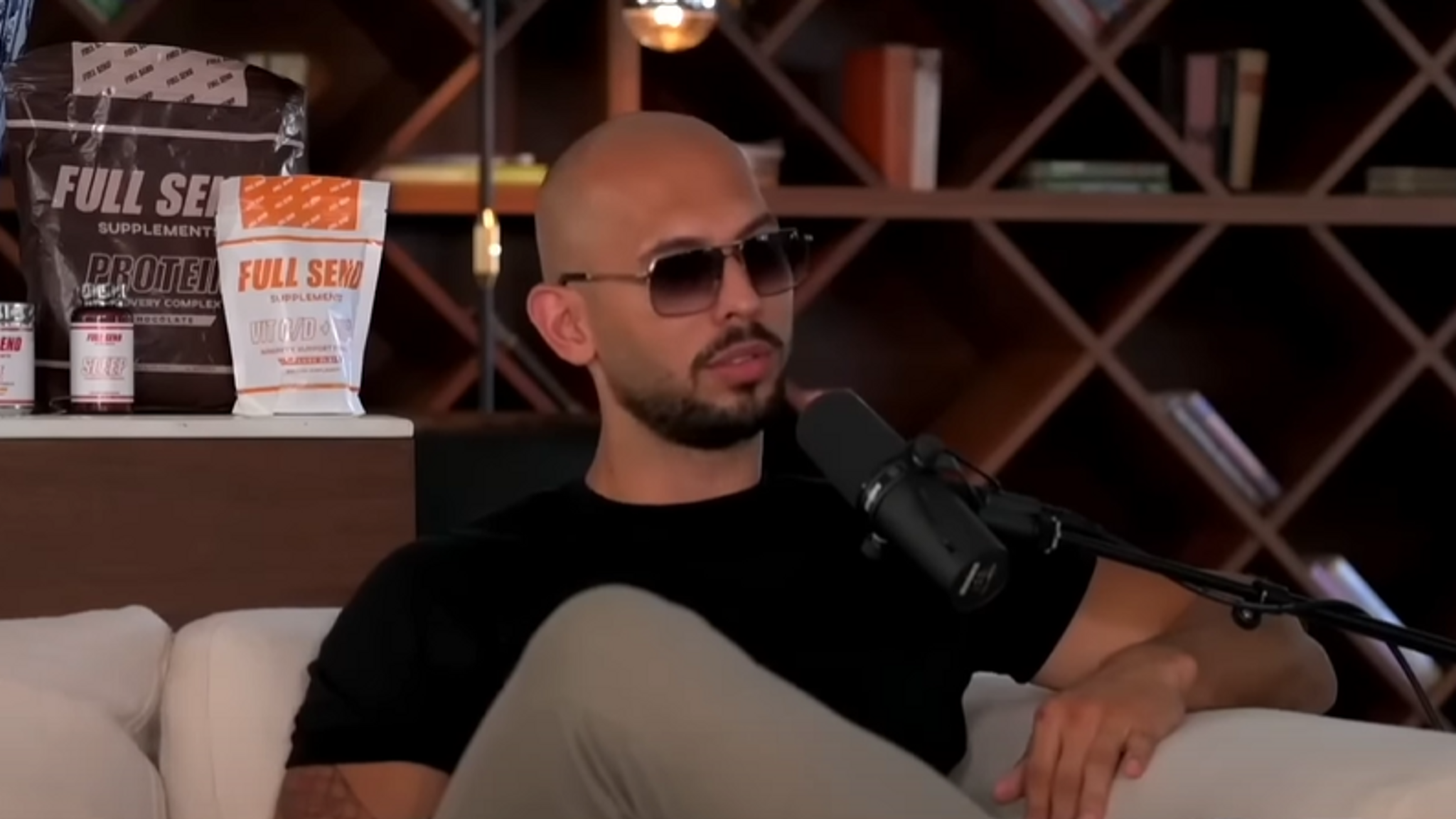
The manosphere is a growing network of online men’s communities where male grievances are rooted in resentment towards women and has become popular in a world which is increasingly hostile to traditional notions of masculinity.
Besides online shaming, it is also implied that Jamie was radicalised by cultish influencers like Andrew Tate whose championing of male empowerment is underpinned by misogynistic messages that glamorise harmful attitudes towards women. This may explain why topless photos of Katie were shared around school as an act of revenge porn.
The show’s raw and powerful exploration of the struggles facing young men forces us to confront the predatory influencers who promote a narrow and unattainable vision of manhood that is reduced to sexual promiscuity, material status and alpha aggression.
Online safety
Adolescence also exposes the malevolent impact of online ecosystems in exacerbating mental health problems for Britain’s young generation.
Social media has received special opprobrium, with Prime Minister Keir Starmer concerned about the “toxic masculinity” promoted in content sharing platforms, suggesting that the drama be available to secondary schools, sparking conversations about the role of teachers in protecting minors.
Discussions about cyber bullying heve led to scrutiny of the UK’s Online Safety Act, with ministers reiterating calls to reform UK internet laws and introduce regulatory frameworks which hold tech giants accountable for weaponising algorithms and amplifying content that fuels sexism and ensnares impressionable adolescents into idealising male bigotry.
Parenting
The widening chasm between parents and children has also been mooted as a reason for gender-based violence.
Jamie’s self-esteem took a battering after his father’s disdain for his lack of sporting ability, and we learn that Eddie was an emotionally-detached dad who questions whether Jamie’s impulsiveness was symptomatic of his own violent temperament.
His wife also accepts that they could have been more vigilant in monitoring their screen-obsessed child.
From lack of emotional engagement to generational trauma, emotionally-repressed parenting was likely a key psychological factor in Jamie’s development.
God
Although the show untangles complex reasons behind youth violence, I believe it overlooks a crucial factor which enables harmful ideologies to metastasize amongst British youth.
Primarily, children like Jamie are symptoms of a Godless culture which keeps many in a perpetual cycle of trauma.
While it’s tempting to scapegoat Andrew Tate for the problems highlighted in the miniseries, pinning broader social issues on a single individual and misdiagnosing social media as the catalyst for youth violence exonerates an equally guilty culprit: a secular worldview not anchored to any moral absolutes.
The suggestion that Jamie slipped through the cracks of the system evades the uncomfortable truth that the system of which he is a product is fundamentally incapable of nurturing healthy relationships between the sexes.
Like many cultural movements, the manosphere doesn’t exist in a vacuum but reflects the spirit of our age.
In a world where faith-based morality has ceased being the arbiter of male-female interactions and countries like the UK ranking low in the child happiness index according to a recent UNICEF report, millions of boys are being drip-fed messages that romanticise a superficial ideal of manhood, reflecting the core values of capitalist cultures: hyper-individualism, competition, materialism and objectification.
Unlike traditional conceptions of masculinity in religions like Islam which emphasise complementary rights and responsibilities between men and women and encourage both genders to earn Allah’s pleasure by embracing their commonalities and uniqueness in ways which are conducive to merciful and supportive relationships, western civilisation’s spiritual vacuum is being filled by a perverse brand of masculinity, devoid of compassion and piety, encouraging the manipulation and domination of opposite sexes.
If we want to wake up from our culture-induced stupor, swallowing the red pill will only perpetuate a dangerous caricature of masculinity which misunderstands why God created men and how our success in this life and the hereafter is intimately tied to honouring and valuing both genders instead of scapegoating the opposite gender as the source of one’s oppression.
So much of the violence and juvenile delinquency plaguing today’s youth stems from wider systemic factors, including a life detached from any transcendental reality and higher calling, which fails to foster the kind of psychological wellbeing and moral accountability we associate with redemption and belief in an afterlife.
It is a crisis of faith which explains why our youth live with a profound fear of failure, are unable to process rejection in any meaningful way and labour under an existential angst of a universe without purpose, where life’s setbacks are often filtered through the fog of despair but rarely perceived as opportunities for spiritual growth.
If the creators of Adolescence want the show to hold a mirror to society as they claim, they should realise the dangers that arise from not teaching children the intrinsic value of religious affiliation.
The absence of faith renders them less resilient in the face of hardships and ultimately deprives them of the greatest therapy which comes through belief in a benevolent and all-knowing Creator, who comprehends pain and suffering more intimately than any human being subscribing to an objectively meaningless universe.