


Thirty-five years after independence from atheistic Soviet rule, Uzbekistan is reclaiming its extraordinary Islamic heritage and transforming economically — but serious questions remain over whether Islam itself is truly free to flourish.
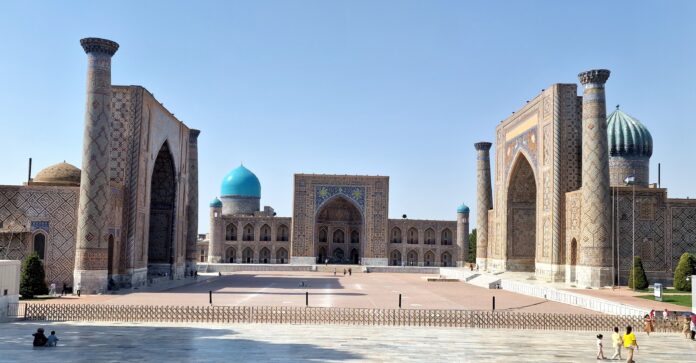
Uzbekistan, which is currently celebrating its independence from Soviet rule, is hugely significant in Islamic history. The cities of Bukhara and Samarkand were among the great centres of Islamic scholarship and civilisation, producing some of the Muslim world’s most influential scholars.
Most famously, Imam al-Bukhari, compiler of Sahih al-Bukhari, was born in Bukhara, while Imam al-Tirmidhi, another of the great hadith scholars, came from the region.
The area was also a major centre of Hanafi scholarship, Sufism, science, philosophy and learning, particularly during the medieval Islamic golden age.
On August 31, 1991, Uzbekistan declared independence from the collapsing Soviet Union, with September 1 subsequently designated as Independence Day. In December that year, a referendum overwhelmingly endorsed independence and Islam Karimov was elected the country’s first president.

For Uzbeks, independence represented far more than the creation of another post-Soviet state. It meant the recovery of a national identity and culture that had spent decades under Soviet Communist rule.
And perhaps nowhere is that transformation more significant than in religion. Uzbekistan is overwhelmingly Muslim, with estimates putting Muslims at around 88–96% of its approximately 37 million people. Most are Sunni Muslims following the Hanafi school, although the country also has a small Shia Muslim population.
Subscribe to our newsletter and stay updated on the latest news and updates from around the Muslim world!
Yet Uzbekistan’s relationship with Islam since independence has been complicated. The country has gone from Soviet suppression of religion, to authoritarian state control of Islam, and more recently to a cautious revival of Islamic heritage under President Shavkat Mirziyoyev.
So, 35 years after independence, how successful has Uzbekistan really been and how should its record be judged from an Islamic perspective?
Soviet atheism
The Soviet period was devastating for Islamic religious life across Central Asia.
The Soviets closed mosques, imprisoned scholars and declared atheism the state ideology – but it couldn’t extinguish Islam. Local bravery from figures such as Muhammadjan Hindustani (1892 – 1989) kept the chain of Islamic scholarship alive in private study circles, passing the religion from one generation to the next until the Soviet system itself collapsed.
Another name of note is Muhammad-Sadiq Muhammad-Yusuf who pushed for greater Islamic autonomy from within the Soviet-controlled religious establishment and later challenged aspects of independent Uzbekistan’s authoritarian religious policy.
There’s also Abd al-Qadir Shakuriy (1875–1943), a prominent local Muslim educator who established one of Samarkand’s early Islamic schools and promoted modern education alongside Islamic and cultural lines. The Soviet authorities eventually closed his school and he was then arrested in 1937 on charges of belonging to an anti-revolutionary organisation and “anti-Soviet propaganda”, sentenced to ten years and died during Stalin’s repression. He was posthumously rehabilitated in 1956.
After independence, Uzbekistan was suddenly free to rediscover the Islamic civilisation that had flourished across its territory for centuries.
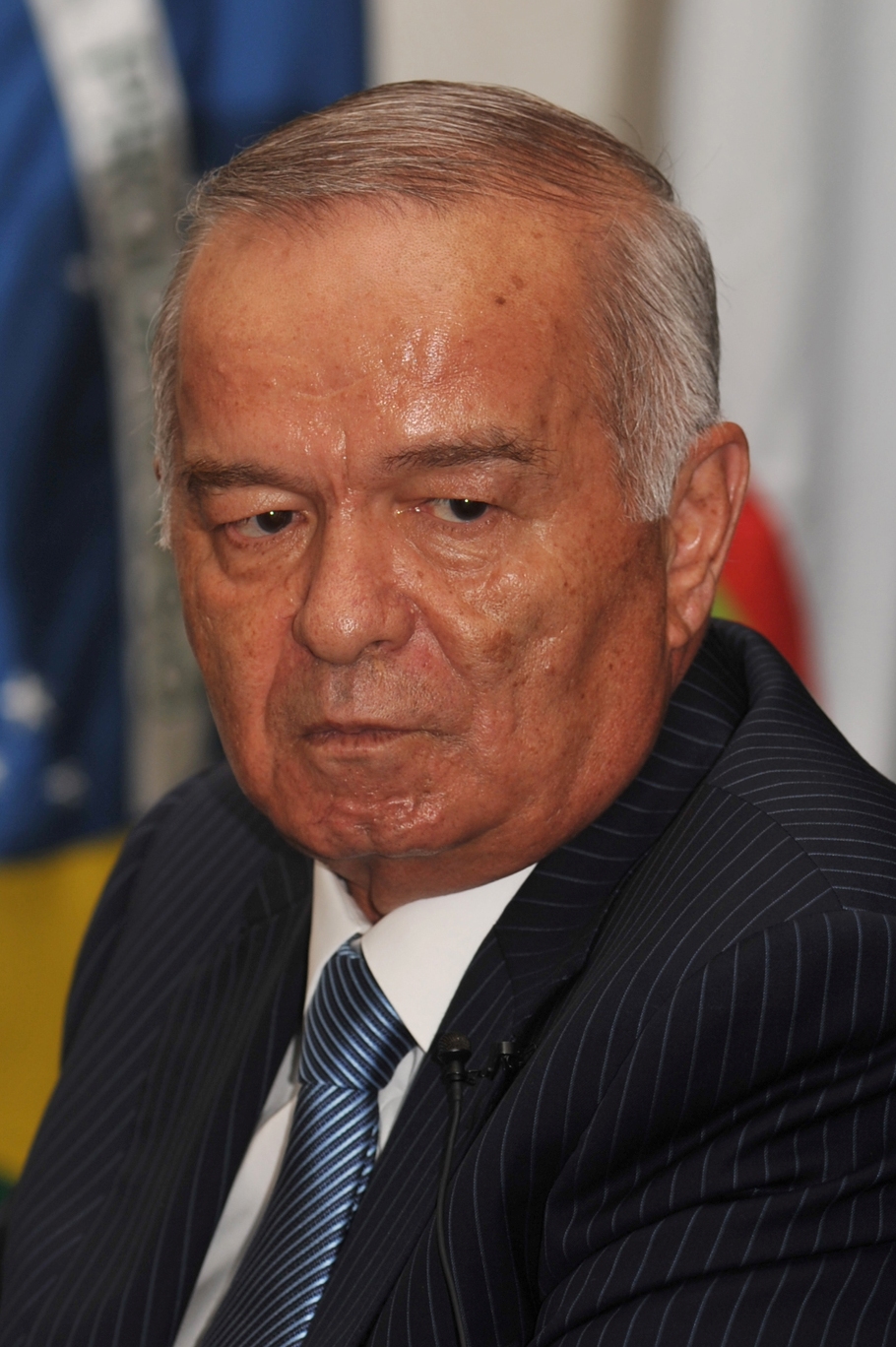
But the country’s first president, Islam Karimov, was deeply suspicious of independent Islamic movements. Karimov had himself been a Communist Party official before independence and subsequently built an intensely secular authoritarian state.
His government argued that strict control over religion was necessary to prevent independent Islamic groups, particularly following the civil war in neighbouring Tajikistan and the emergence of Islamic armed groups in Central Asia. The result was a brutal crackdown on independent Muslim activity.
Human Rights Watch says thousands of Muslims were imprisoned during Karimov’s rule for practising Islam outside “strict state controls,” while torture and other serious abuses were widespread.
The most notorious episode of Karimov’s rule came in Andijan in May 2005, when government forces opened fire on largely peaceful protesters. Human Rights Watch says hundreds were killed.
The authorities subsequently intensified their crackdown on political opposition, civil society and independent Muslims. For Muslims, therefore, the first 25 years of independence were hardly an unqualified liberation.
Uzbekistan had escaped Soviet rule, but many Muslims continued to find themselves under severe restrictions.
The Miriziyoyev era
Karimov died in 2016 after ruling Uzbekistan for more than 25 years. His successor, Shavkat Mirziyoyev, initially embarked on a series of reforms which brought significant changes.
Political prisoners were released, the economy was opened up, relations with neighbouring countries improved and some of the restrictions on religious life were eased.
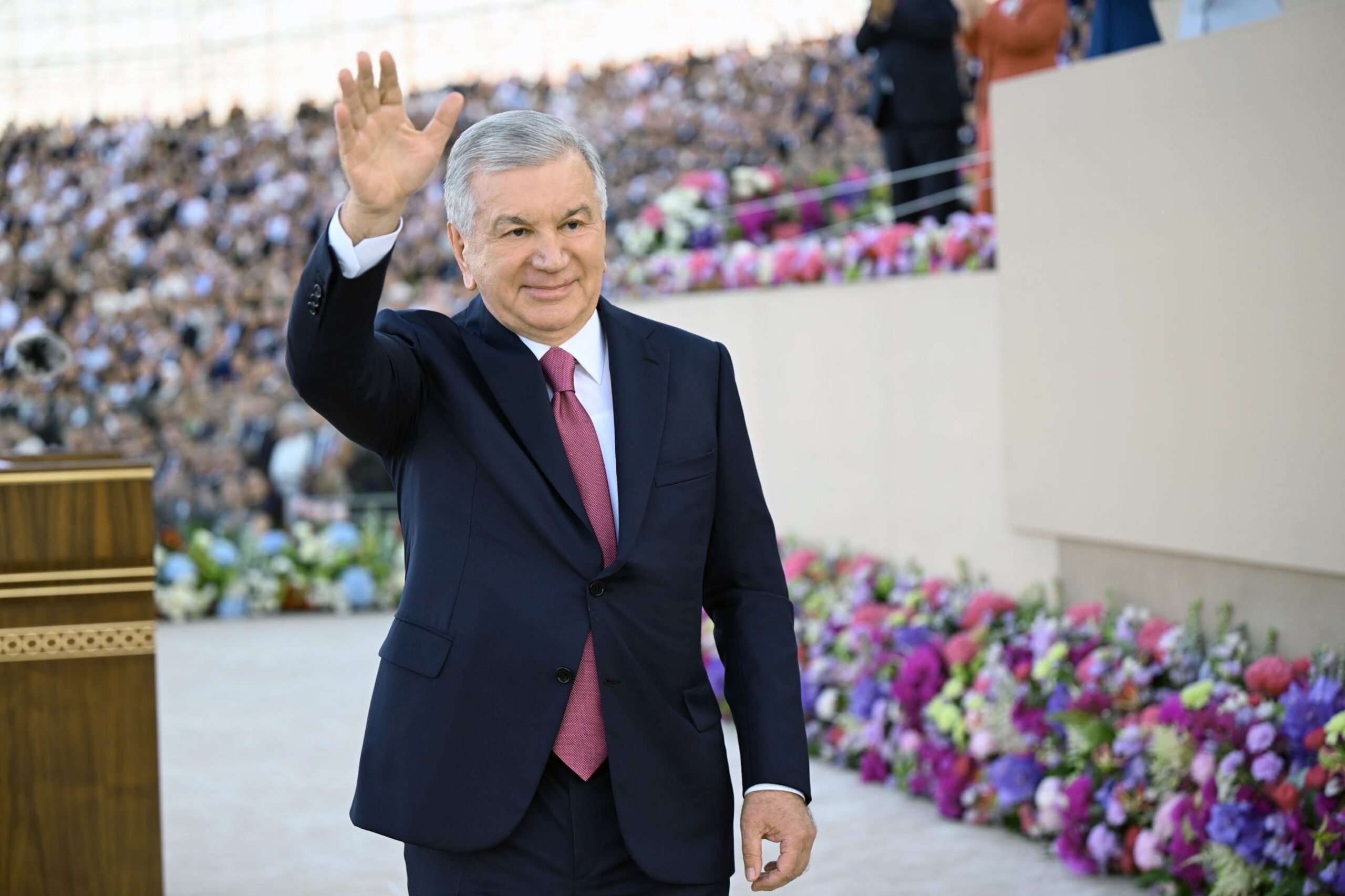
Hundreds of Muslims who had been imprisoned under Karimov were reportedly released. The government also began enthusiastically promoting Uzbekistan’s Islamic heritage.
In 2017, Mirziyoyev announced plans to establish major research institutions dedicated to Islamic civilisation and the country’s great Muslim scholars. The culmination of that policy came this year with the opening of the Islamic Civilization Center in Tashkent.
The huge complex, officially opened in March 2026, contains research facilities, a library and exhibitions dedicated to Islamic civilisation, with the famous ancient Qur’an manuscript traditionally attributed to Caliph Uthman occupying a central place.
It was an extraordinary reversal from the Soviet era. The state that once suppressed Islamic heritage is now spending enormous resources showcasing it.
Economic transformation
Uzbekistan has also undergone considerable economic transformation.
With more than 37 million inhabitants, it is Central Asia’s most populous country.
Under Mirziyoyev, Uzbekistan has attempted to open its economy to foreign investment, liberalise its currency system, reform taxation and reduce some of the economic isolation that characterised the Karimov era.
At the 35th anniversary celebrations, Mirziyoyev said annual foreign investment had risen from roughly £1.48–£2.22 billion ($2–3 billion) to £29.66–£37.07 billion ($40–50 billion).
He also highlighted the end of systemic forced and child labour in the cotton harvest, another major change from the Karimov era.
The country is now seeking to develop sectors ranging from manufacturing and technology to energy, mining and infrastructure. From a conventional economic perspective, therefore, there is plenty for Uzbekistan to celebrate.
But economic growth alone cannot determine whether a Muslim society is successful and this is where the Islamic assessment becomes much more difficult.

How Islamic is Uzbekistan now?
Uzbekistan’s constitution describes the country as a “secular state” and guarantees freedom of conscience and the right to profess or not profess a religion. It also says religious organisations are separated from the state.
Some rights groups say conditions deteriorated in 2025, with authorities imprisoning, detaining and fining independent Muslims for peaceful religious activities.
It also says Uzbekistan continues to restrict unauthorised religious education and religious expression, while using broad extremism laws against peaceful Muslims. Human Rights Watch similarly says that authorities continue to prosecute Muslims under broad extremism provisions and restrict religious communities.
This produces a striking contradiction. The Uzbek government is proud to celebrate Imam al-Bukhari, al-Maturidi, the Qur’an and the country’s Islamic civilisation but independent Muslims can still face serious consequences for religious activity that the state considers unauthorised.
The state therefore appears much more comfortable with Islam as heritage than Islam as an independent social force.
So 35 years after independence, Uzbekistan is undoubtedly a very different country from the one that emerged from the Soviet Union. It is more prosperous, more internationally connected and considerably more open than during the darkest years of Karimov’s rule.
Most importantly, Uzbekistan has begun reclaiming an Islamic civilisation that Soviet communism attempted to suppress. But the restoration of mosques, Islamic institutions, scholarship and historic sites is something Muslims can genuinely welcome but an Islamic society cannot ultimately be judged by monuments alone.
The Qur’an and Sunnah place justice at the heart of good governance. A state can build magnificent Islamic museums, restore the tombs of great scholars and celebrate its Muslim heritage — but if peaceful Muslims are imprisoned for studying or expressing their religion, serious questions remain.
Perhaps the greatest achievement of Uzbekistan’s independence is that Islam survived. The next question is whether it will truly be allowed to thrive.