


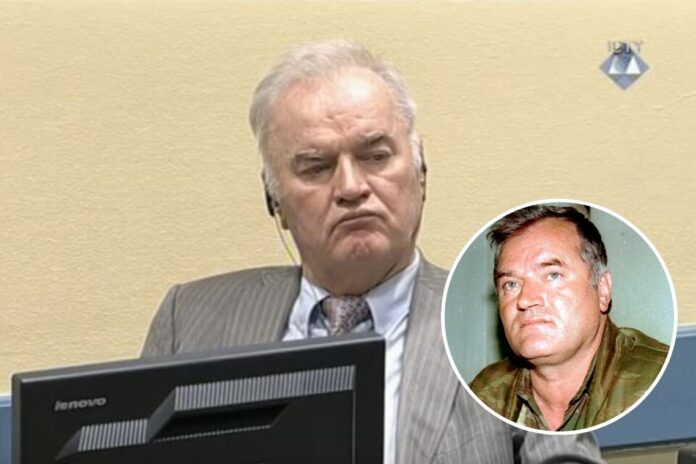
Bosnian Serb military commander Ratko Mladić, known as the “Butcher of Bosnia,” has died aged 84 in The Hague, where he was serving a life sentence for genocide and crimes against humanity committed during the 1992–95 Bosnian War.
Mladić was found guilty by an international court of genocide for murdering 8,000 Bosniak Muslim civilians in Srebrenica in July 1995, at the time a United Nations-protected area.
He was also convicted of terrorising civilians during the 1,325-day siege of Sarajevo, in addition to a number of other war crimes committed during the 1992–95 war in Bosnia and Herzegovina.
Mladić was responsible for the deadliest massacre and act of genocide on European soil since the Second World War, carried out under the Army of the Serbian Republic (Vojska Republika Srpska, or VRS).
His death was announced by Serbian state media, RTS, reportedly due to multiple strokes.

Mladić had evaded justice for almost 16 years following the atrocities committed against Bosniak Muslim civilians, before being captured and arrested on May 26, 2011, in Serbia.
Two dozen Serbian special police officers stormed Mladić’s cousin’s home, where he was arrested and taken to Belgrade as part of the extradition process.
Subscribe to our newsletter and stay updated on the latest news and updates from around the Muslim world!
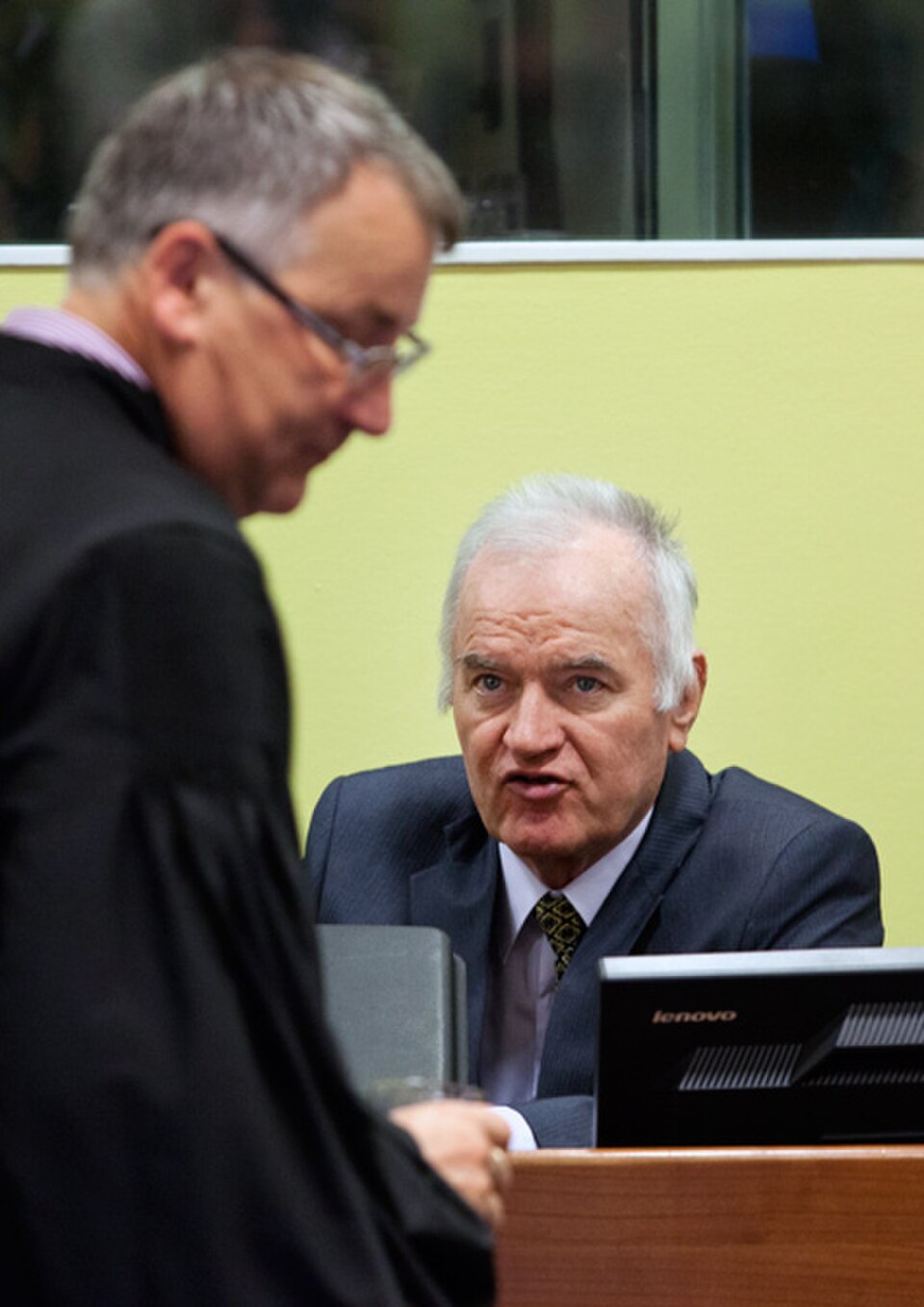
His identity was not initially confirmed, as Mladić had been living under a disguise and the pseudonym “Milorad Komadic” whilst in hiding.
He was subsequently transferred to the International Criminal Tribunal for the former Yugoslavia (ICTY) in The Hague.
The ICTY sentenced him to life imprisonment on November 22, 2017, following a lengthy trial that revealed the shocking realities of some of the most horrific crimes committed during the Bosnian War.
Ill health
Mladić’s health had long been declining due to several strokes in recent months.
His family launched multiple appeals for his release on humanitarian grounds, supported by Serbian officials.
All appeals were rejected by the Hague Tribunal.
Judge Graciela Gatti Santana explained the decision, saying: “The interests of justice and general legal principles do not require release merely because imminent death is expected. The punishment, in addition to being a deterrent, should express the international community’s condemnation of the conduct in question and its unwillingness to tolerate serious violations of international humanitarian law and human rights.”
Mladić’s “legacy”
Mladić is celebrated as a wartime hero throughout Bosnia’s Serb-majority regions, as well as in Serbia and Montenegro.
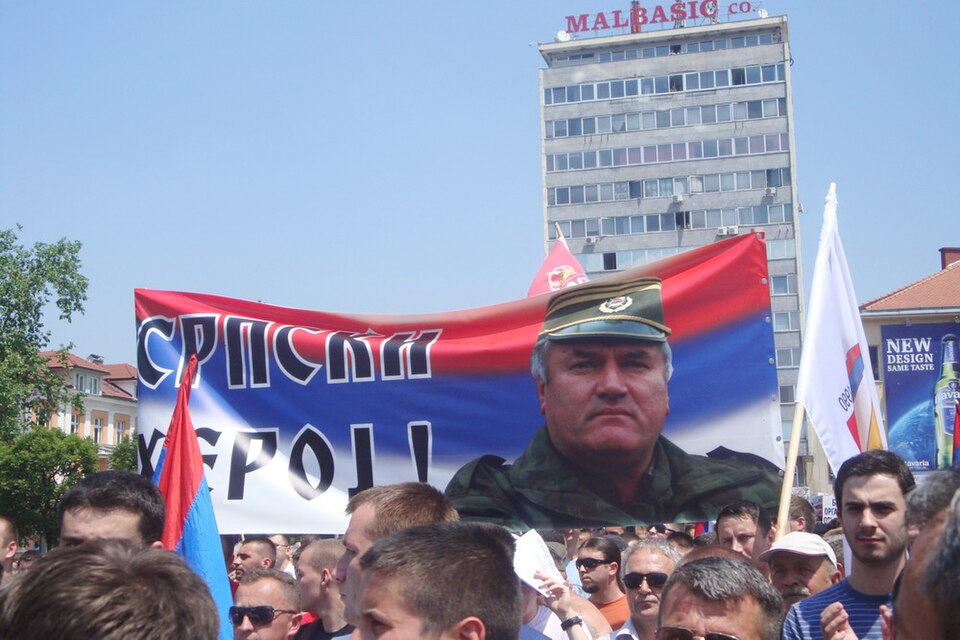
Murals glorifying him are commonly seen across Republika Srpska in Bosnia, celebrating him for fighting for the Serbs and for killing Muslims, deemed “traitors” by nationalist Serbs.
During the Srebrenica genocide, Mladić declared that he was taking revenge against the “Turks” for 500 years of slavery and oppression of the Serbian people under the Ottoman Empire.
These mythologised claims were weaponised and fuelled crimes against Muslims across Bosnia and Kosovo throughout the 1990s.
“Turks,” or “Turkifiers” (Poturice), is used as a derogatory term describing Bosniak Muslims who are seen as having abandoned their Serbian identity for Islam during Ottoman rule.
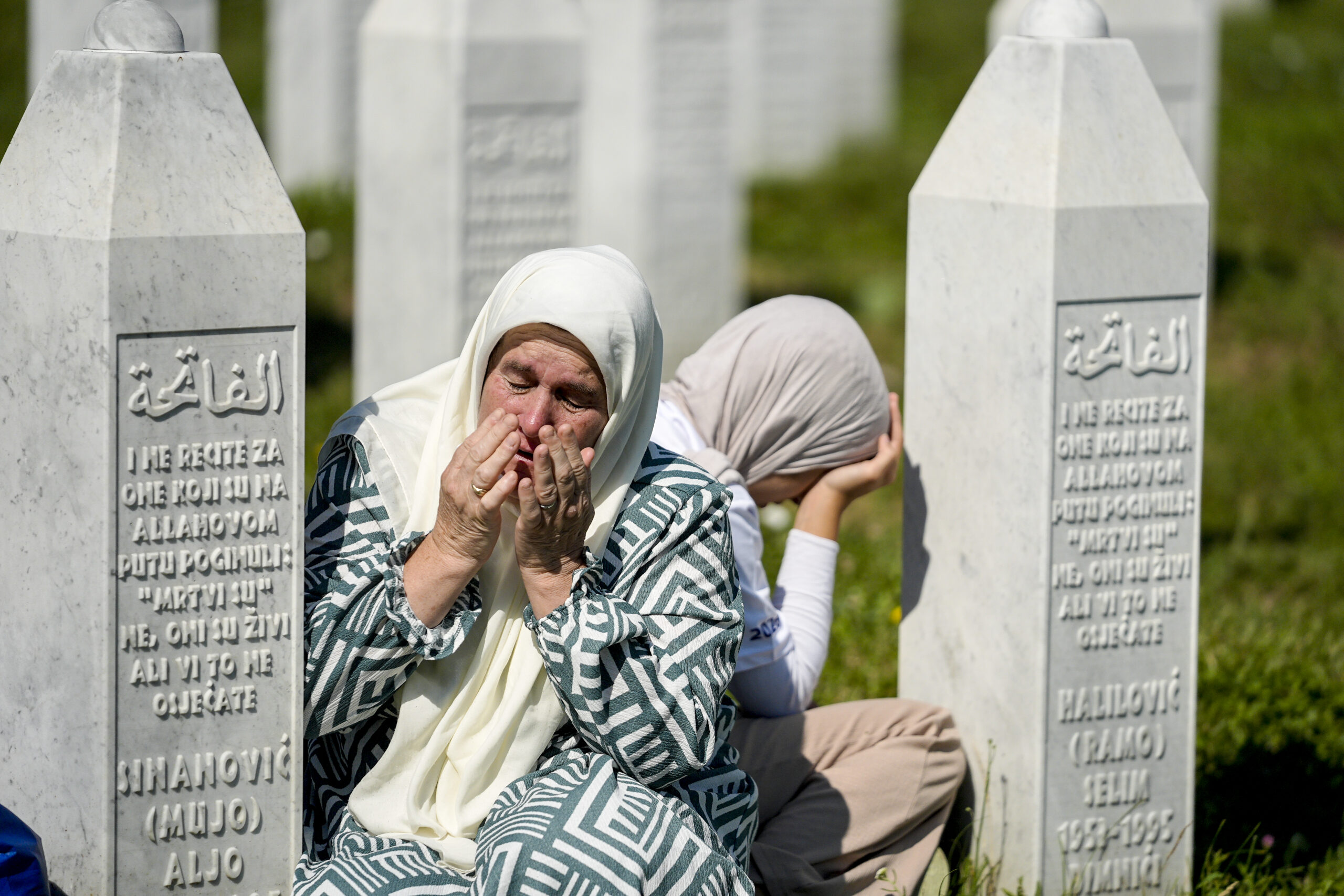
In total, 8,372 Muslim men and boys were killed by Mladić’s forces between July 11 and 15, 1995.
Many families are still waiting for the remains of their loved ones to be found, as Mladić and his forces relocated the remains to secondary and tertiary graves in an attempt to conceal the genocidal crimes.