An Iranian man who expresses support for the deposed Shah Reza Pahlavi accused of carrying out an alleged arson attack on a Dublin mosque has been refused bail after a court heard he allegedly told investigators he was unconcerned if children had been killed in the fire.
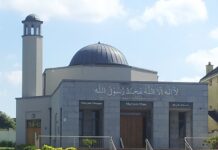
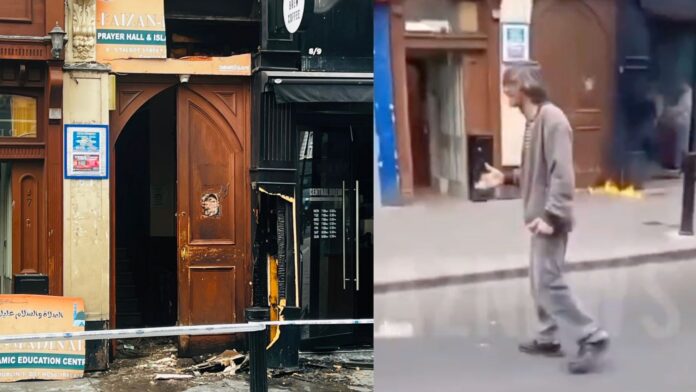
Saeid Khosroabadi, 41, of Seville Place, Dublin 1, appeared before Dublin District Court on Wednesday in connection with a fire at the entrance to the Faizan E Madinah Mosque on Talbot Street on Sunday afternoon.
The Iranian national faces charges arising from the incident, which prompted an investigation by An Garda Síochána after emergency services responded to the blaze. No injuries were reported.
During the bail hearing, the court was told the accused allegedly admitted responsibility during Garda interviews and described himself as an “anti-Islam activist.” Prosecutors said he claimed to oppose the presence of sharia in Ireland and allegedly expressed hostility towards Muslims. Khosroabadi is purported to have told gardaí he “hated Islam” and called Muslims “dirty people”. He allegedly said he was proud of what he had done and that he was “disappointed” the mosque had not burned down.
The court also heard investigators believe the accused was motivated after seeing media coverage of another fire at a mosque in Galway, which allegedly prompted him to target the Dublin place of worship.

Khosroabadi allegedly said, “I hate Islam. I burned the mosque, and when you release me, I will burn it again.”
Asked what right he had to set the fire, he allegedly replied: “Because they are Muslim and they have no right to spread their ideology, their law sharia.” He also allegedly said Ireland was a Christian country.
Subscribe to our newsletter and stay updated on the latest news and updates from around the Muslim world!
The State opposed bail, citing the seriousness of the allegations, concerns over public safety and the risk of further offending. Judge Michele Finan refused the application, ordering that Khosroabadi remain in custody.
The case was adjourned to a later date, with the accused due to appear before the court again as the investigation continues.
The alleged incident has drawn condemnation from members of Ireland’s Muslim community, who have described the attack as deeply disturbing and called for those responsible to be held accountable.
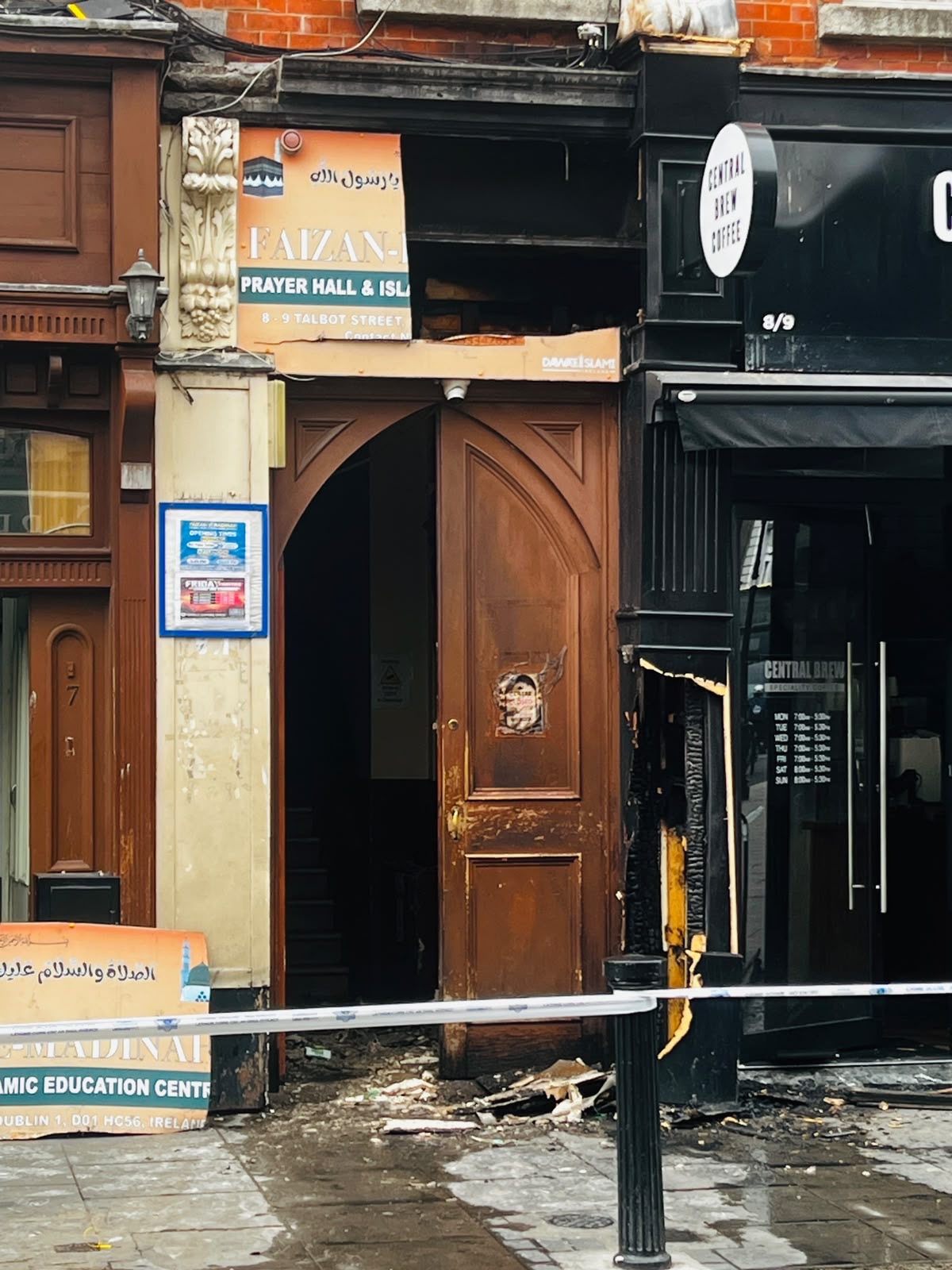
The mosque attack
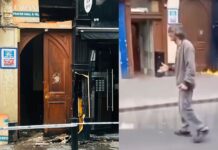
The Faizan E Madinah prayer hall on Talbot Street, Dublin, was suspected to have been set alight by an Islamophobe on Monday at 15:35 local time. The man suspected of the attack was filmed outside the prayer hall as a fire burned, shouting Islamophobic abuse.
“We don’t want Islam in Ireland. Do you understand? Go back to your f*cking country. I burnt down a mosque in Talbot Street. We don’t want Islam in this country,” the man shouted in a Persian accent as a civilian tried to put out the fire with a fire extinguisher.
The man was arrested. Significant damage was caused to the prayer hall by the fire, but no one was injured. The Gardaí (Irish Police) are currently carrying out an investigation, and no details have been confirmed as to whether this was a hate crime.
According to Irish broadcaster RTÉ, the Gardaí do not believe the attack is linked to racist or far-right elements despite the anti-Islam nature of the attack. Khosroabadi has since been pictured outside the Dublin court wearing a t-shirt with the image of the former Shah of Iran Reza Pahlavi who ruled over Iran before being deposed in a popular revolution in 1979. The image suggests that Khosroabadi is a monarchist supporter or activist who opposes the current Islamic Republic of Iran which was set up after the 1979 revolution against the monarchy.
Pahlavi regime and anti-Islam activism
The Pahlavi regime refers to the rule of the Pahlavi dynasty in Iran from 1925 to 1979, when the country was officially known as the Imperial State of Iran. It ended with the Iranian Revolution, which overthrew the monarchy and established the Islamic Republic.
Following the Iranian revolution, supporters of the former regime largely fled to countries which propped up the Pahlavi family such as the UK and USA.
In recent times, the descendants of those royalists formed Iranian dissent communities which advocate for a Western-led war on Iran and regime change in Tehran.

Their activism has also taken on a harsh hatred of Islam and many Iranian dissidents have been witnessed linking up and supporting other anti-Islam movements in the UK such as the Tommy Robinson led Unite The Kingdom rallies and far-right protests organised by Britain First.
Supporters of the former Pahlavi regime are also known for organising protests outside Iranian mosques in Birmingham and London where they have been accused by worshippers of harassing mosque goers or engaging in anti-social behaviour.
During times of unrest inside Iran, supporters of Iranian dissident groups gather outside the Iranian Embassy in London and a prominent Shia mosque in London’s Maida Vale to protest. Those protests have been known to turn violent with police making a number of arrests in early 2026.
It is not clear if Saeid Khosroabadi is associated to any group or movement. The case continues.