


A diaspora-based Chechen collective has reported that more than 100 people have been seized across Chechnya, with one elderly detainee reported dead in custody. Rushda Fathima Khan reports.
A Chechen opposition movement has reported a sweeping new wave of detentions and house raids across the Russian republic, naming more than a dozen alleged victims and warning that relatives are being told they may never see their loved ones again.
The group, NIYSO, said in a statement published on its Telegram channel that “Russian forces and FSB-directed units abducted over 100 people in just two days between the 19th and 24th of April, in operations spanning multiple villages and districts, without any legal procedures.”
On Friday, it announced that one of the detainees, an elderly man from the Grozny suburb of Prigorodnoe, had died in custody.
Among those NIYSO says were taken is Ismail Zakariev, a 40-year-old who was reportedly detained at Makhachkala airport in neighbouring Dagestan as he stepped off a flight from Saudi Arabia.

They claim that he was driven to Grozny and his whereabouts are now unknown.
Other names circulated include 18-year-old Umar Labazanov of Davydenko, said to have been held without charge for over a week at an Interior Ministry precinct in Grozny; three relatives, Akhmad and Mokhmad Bataev and Mokhmad Alaev, allegedly seized from the village of Novye-Sharoy, one of them disabled; and 40-year-old Bislan Yusupov of Goyti, said to have been taken without explanation.
Subscribe to our newsletter and stay updated on the latest news and updates from around the Muslim world!
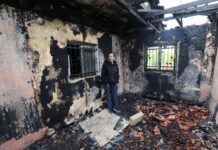
NIYSO claims the Bataev raid was accompanied by beatings, verbal abuse, and shots fired at the feet of family members.
The most politically sensitive case involves three residents of the village of Nizhny Noyber: 23-year-old Makhdi Khasanov, his wife, and his brother Musa.
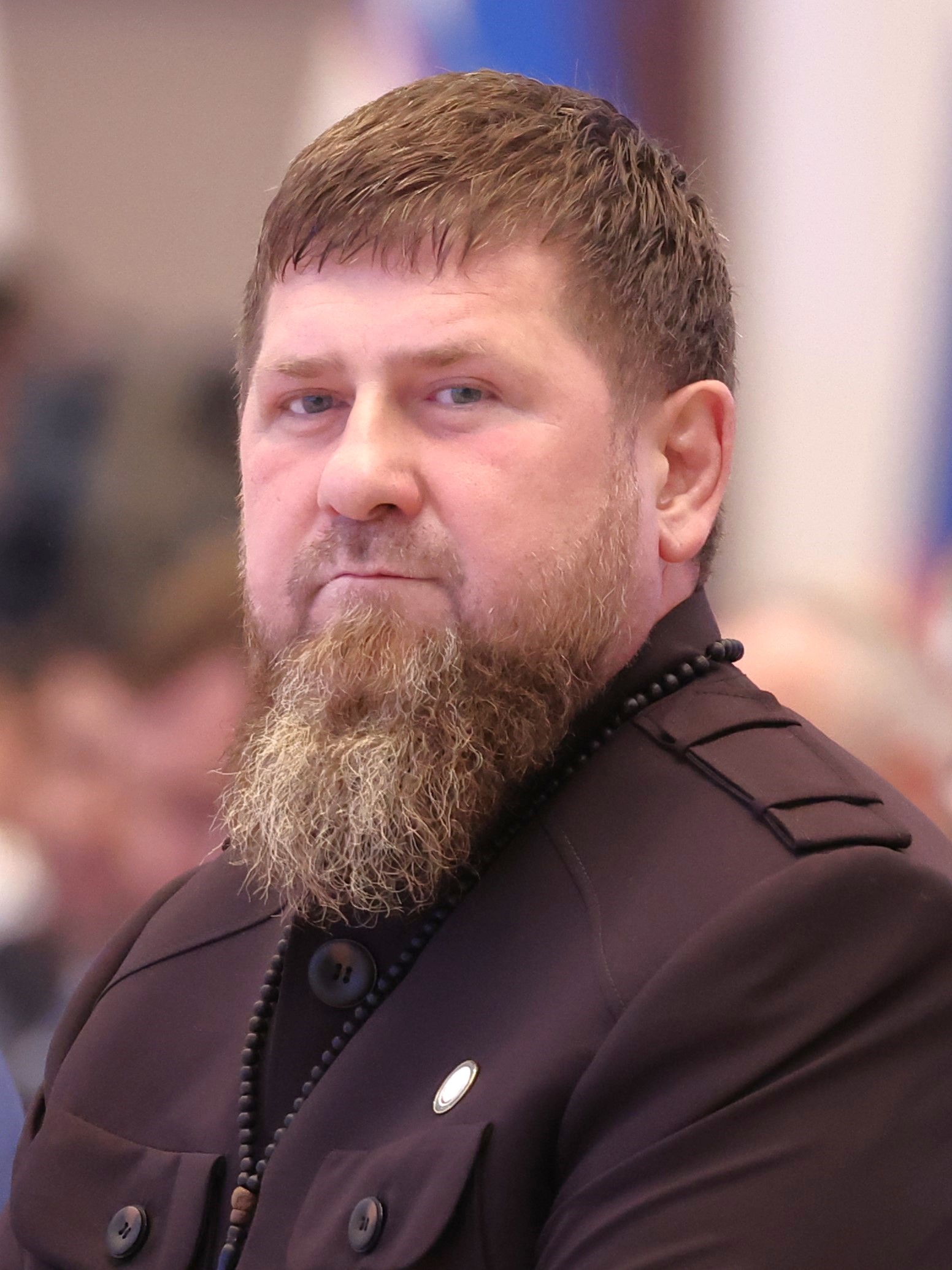
NIYSO says the abductions are linked to associates of Adam Delimkhanov, a State Duma deputy, cousin of Kadyrov and one of the most powerful men in the republic.
Delimkhanov’s office has not commented. Chechen authorities rarely respond to reports from NIYSO, which they characterise as a hostile foreign-directed operation.
The reports, which were also covered by the Caucasus-focused independent outlet OC Media, cannot be independently verified.
The NIYSO collective regularly publishes information about alleged human rights violations in Chechnya, but a due to limited access to information in the region, verification of such claims remains difficult. NIYSO operates from outside Russia and was designated an “extremist organization” by Chechnya’s Supreme Court in 2025.
Journalists who cover the region say verification is possible only through painstaking cross-referencing with sources still living under Ramzan Kadyrov’s rule, and that those sources increasingly fear to speak.
Even so, the pattern described by NIYSO is consistent with a long record of enforced disappearances documented by the human rights group Memorial and confirmed in some past cases by Radio Free Europe/Radio Liberty.
NIYSO says the latest detentions have been indirectly confirmed by a message posted to the WhatsApp status of Rustam Aguev, whom they identify as the head of the Interior Ministry department for Chechnya’s Kurchaloy district.
“No one should write to me asking to release anyone until I complete my task,” the message read, according to the movement.
“I know whom I must obey. Everyone else, stand down.”
A death in Prigorodnoe
The most serious development came on Friday, when NIYSO announced that one of those abducted from Prigorodnoe, a district in Grozny formally renamed the Sheikh Iznaur settlement, had died in custody.
The movement identified the man only as Mimbulatov, describing him as the father of two sons who had been taken alongside him. He was over 60.
“Whether he was subjected to torture remains unclear,” NIYSO wrote. “Given his advanced age, even the stress of the situation alone could have led to death.”
The death, if confirmed, would be the latest in a long line of fatalities that human rights organisations have linked to Chechen security operations.
NIYSO claimed in 2025 that it had recorded the abduction of several hundred Chechens over the course of the year, including women, children, and the seriously ill, with some dying as a result of torture and many others coerced into signing military contracts and sent to fight in Ukraine.
A chokehold on information
Over the past two decades, Chechnya has become one of the most tightly closed information environments in Europe.
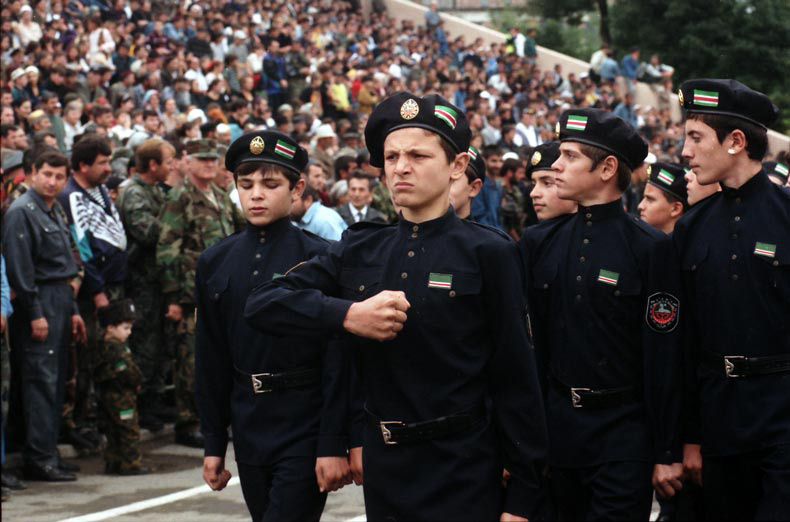
Reporters Without Borders has described independent journalism inside the republic as almost completely eradicated.
What remains, as Al Jazeera Media Institute has documented, is a profession rebuilt in exile, operating through encrypted tip lines, diaspora networks and anonymous testimonies, forced to cover a place its reporters can no longer enter.
Sources inside the republic are reluctant to speak even on encrypted platforms, and Russian court records and administrative filings that once allowed for external corroboration are increasingly restricted.

The closure is enforced from the top. In January 2026, Chechen Press Minister Akhmed Dudaev announced that bloggers who portrayed the republic negatively would be brought to Grozny and subjected to coverage in state media as people who “bring shame” on the Chechen nation.
A month earlier, Kadyrov had warned Chechens living abroad that he would “behead anyone who has written something.”
In that environment, networks like NIYSO have become one of the few remaining channels through which the names of the disappeared are recorded at all.
Rushda Fathima Khan is an independent journalist covering politics, human rights and religious freedom. Her work has appeared in Al Jazeera, The New Arab, World Politics Review and the Al Jazeera Media Institute.