The day of Ashura is one of the most important days of the Islamic year, holding great historical and spiritual significance for both Sunni and Shia Muslims around the world, but what is the difference between Sunni and Shia interpretations and practices on the holy day?
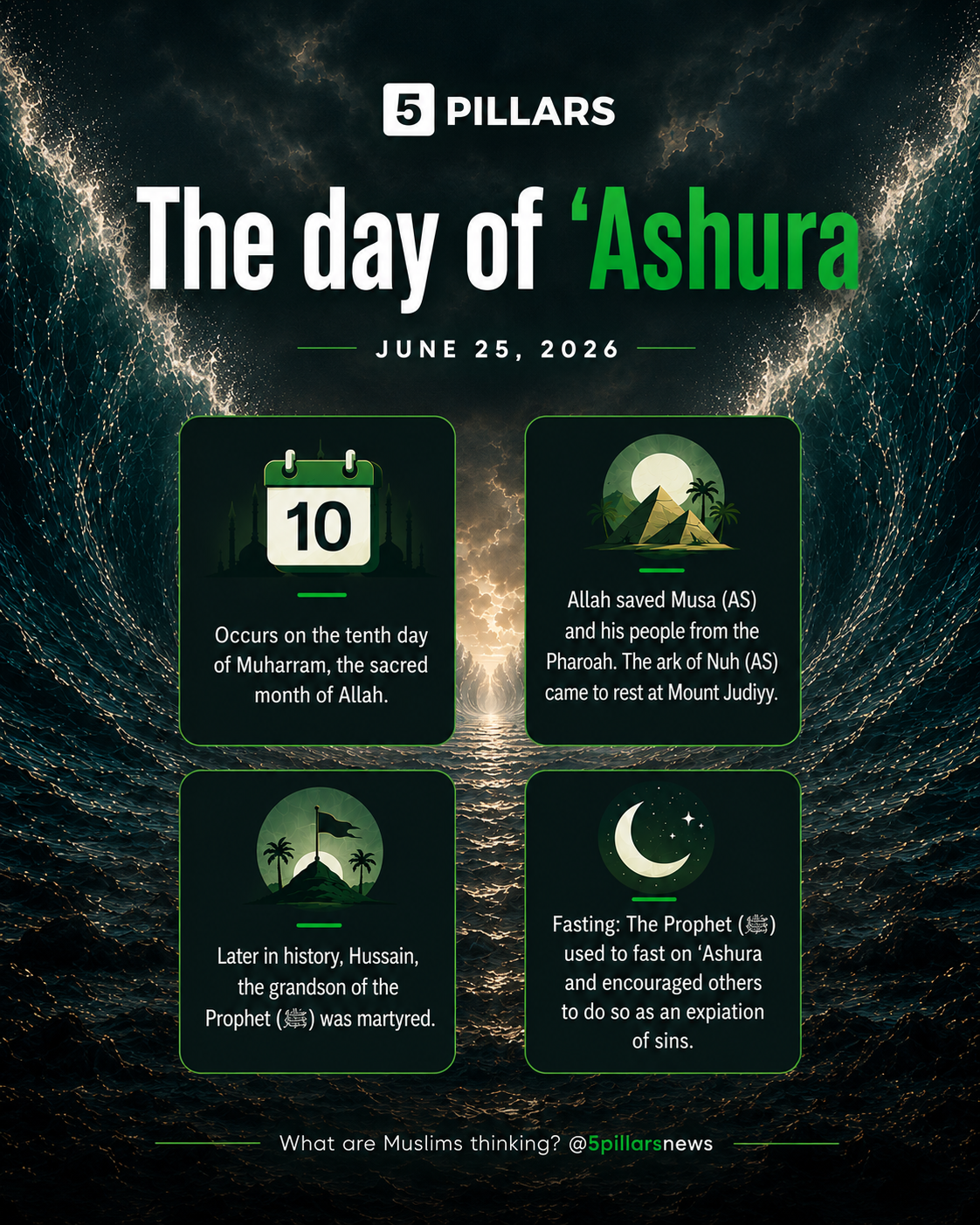
The 10th day of Muharram, otherwise known as Ashura, falls on June 25 this year. Ashura literally means “the tenth” in Arabic and falls in the first month of the Islamic calendar.
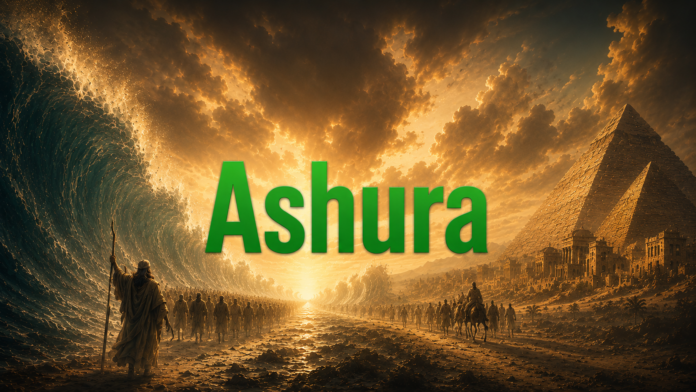
For Sunni Muslims, Ashura is seen as the day that the Prophet Nuh (Noah) disembarked from his Ark following the flood at Mount Judi, as well as the day when Allah saved Prophet Musa (Moses) from the Pharaoh by parting the Red Sea and giving safe passage to Bani Israeel out of Egypt.
Muslims around the world observe the day primarily by increasing their acts of worship, including fasting from sunrise to sunset.
The Prophet Muhammad (PBUH) encouraged Muslims to fast on the day of Ashura and emphasised its great significance. He told Muslims that fasting on this day forgives the sins of the previous year.

Throughout history, Ashura has been an important day, as we learn that the pre-Islamic Arabs observed it as a remnant of the teachings of Prophet Ibrahim.
Later in history, the Prophet’s grandson, Hussain (as), was martyred at Karbala, in modern-day Iraq, on the day of Ashura whilst opposing the unjust governance of his time.
Subscribe to our newsletter and stay updated on the latest news and updates from around the Muslim world!
This event creates a very different interpretation of Ashura for millions of Shia Muslims worldwide.
Shia interpretations and Imam Hussain
For Shia Muslims, Ashura is a solemn day of mourning commemorating the anniversary of the killing of Imam Hussain in 680 CE, when Hussain and his followers confronted the Umayyad forces loyal to Caliph Yazid I.
Shia communities hold large, extravagant parades across the world and in the diaspora, with grandiose reenactments of the events of the battle, as well as the controversial practice of Matam, or Latm.
Matam/Latm is a common ritual among Shias in which they strike their chests with their hands as a symbolic expression of sorrow and grief. Mild or extreme flagellation can also occur at such parades and religious events, where worshippers strike their backs with chains, which they claim helps them connect physically to the pain of Hussain and his followers.

The Battle of Karbala, where Hussain died, would later play a significant role in the further split between Shia and Sunni Muslims, long before the two groups had formulated and crystallised their theological differences.
Sunni Muslims also revere Hussain and remember his martyrdom on Ashura as a significant event in their own history.
During the “passion plays”, themes of Hussain’s sacrifice and the emotional need to pursue the cause of justice in his name are often portrayed.
Many parts of Iraq and Iran hold marches, plays and processions, where thousands gather to mourn and commemorate the event.