



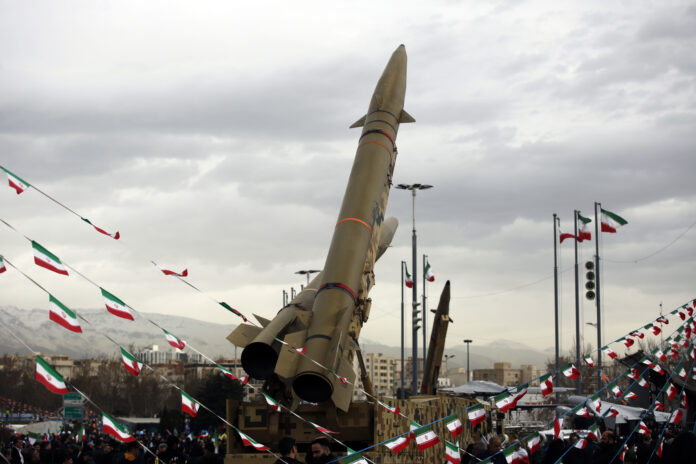
According to American media, Iran inflicted more “extensive” damage to US bases and equipment in the Middle East than previously claimed since the start of the US-Israeli war on the Islamic Republic.
The report, which was first published by NBC News, said that the damage from Iran’s retaliatory strikes against US military bases in seven Middle Eastern countries was “far worse than publicly acknowledged and is expected to cost billions of dollars to repair.”
Iran has hit dozens of targets, including warehouses, command headquarters, aircraft hangars, satellite communications infrastructure, runways, high-end radar systems, and dozens of aircraft, the report said.
The Pentagon has not publicly detailed the extent of the damage to US military bases, according to the report, with US Central Command declining to comment on battle damage assessments.
According to the report, some Republican lawmakers privately expressed dissatisfaction with senior Pentagon officials for refusing to provide information on the extent of the damage or a cost estimate for repairs.

“No one knows anything. And it’s not for lack of asking,” one congressional aide was quoted by NBC News as saying. “We have been asking for weeks and not getting specifics, even as the Pentagon is requesting a record-high budget.”
The report noted that the damage and the cost of repairing the bases could reignite debate over the merits of maintaining US bases in such close proximity to an adversary like Iran.
Subscribe to our newsletter and stay updated on the latest news and updates from around the Muslim world!
However, analysts and critics of US President Donald Trump will likely use this revelation to further condemn him for entering into a clearly very costly conflict that shows little sign of ending.
Peace or a return to war?
An Iranian Defence Ministry spokesperson has claimed that most of Iran’s missile capabilities have been “unused” on the war with the US according to Iranian media platform Tasnim News.
On Saturday, General Reza Talaei-Nik said Iran’s “significant portion of the missile capabilities remains unused,” according to the report by the semi-official news agency.
Arguing that Iranian forces maintained the upper hand throughout the conflict, he said, “Our forces maintained complete air superiority over the occupied territories of the Zionist (Israeli) territory, and a portion of our missile capabilities were utilised during the 40-day war.”
Regarding naval confrontations, he claimed that hostile warships repeatedly retreated hundreds of miles from the Sea of Oman in response to decisive actions by Iranian forces.
Shipping through the Strait of Hormuz has been severely disrupted since the US and Israel initiated a war against Iran beginning February 28, rattling global energy markets and raising fears of prolonged economic damage.

The Iranian Foreign Minister Abbas Araghchi will visit Pakistan again after his current trip to Oman before heading to the Russian capital, Moscow, Iran’s state news agency IRNA said, citing the Foreign Ministry on Sunday.
“It is reported that part of the foreign minister’s delegation returned to Tehran after talks in Islamabad to seek guidance on issues related to ending the war and is expected to rejoin Araghchi in Islamabad on Sunday night,” IRNA said.
Leading a diplomatic delegation, Araghchi arrived in Muscat, Oman’s capital, on Saturday evening. He met with Sultan Haitham bin Tariq on Sunday and discussed the regional situation, including mediation efforts to end the US–Iran war.
The stop in Oman followed a visit to Pakistan, where the top diplomat discussed with Pakistani officials a possible second round of talks with Washington.
The first round of negotiations was held in Islamabad two weeks ago but failed to produce an agreement to end the war.
The talks followed a two-week ceasefire brokered by Pakistan on April 8, which was later extended by US President Donald Trump. It remains unclear at this stage if talks will win out and a meaningful end to the conflict can be achieved.