


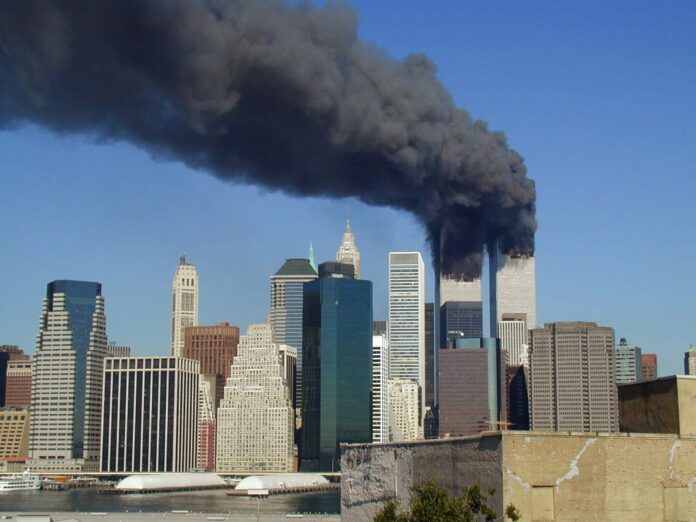
A quarter of a century after the September 11 attacks, America’s Muslim population has more than doubled and its political influence has grown significantly — but widespread negative attitudes towards Islam persist, according to new research.
New research by the Pew Research Center estimates there are now around 5.5 million Muslims living in the United States, compared with approximately 2.4 million when Pew first estimated the population in 2007.
Meanwhile, the number of mosques has more than doubled, rising from around 1,200 in 2000 to nearly 2,800 in 2020.
But Pew’s findings suggest that the shadow of September 11 continues to hang over American Muslims.
In a survey conducted earlier this year, 43% of American adults said Muslims were less patriotic than other Americans, while 42% said Muslims were having a negative impact on the country. Only 17% said Muslims were having a positive impact.

And 51% of Americans said Islam was more likely than other religions to encourage violence.
That figure has more than doubled since March 2002, six months after 9/11, when 25% of Americans expressed the same view.
Subscribe to our newsletter and stay updated on the latest news and updates from around the Muslim world!
Political divide
Attitudes towards Islam have become dramatically more polarised along political lines.
Among Republicans and Republican-leaning independents, 76% said Islam was more likely than other religions to encourage violence, compared with 29% of Democrats and Democratic-leaning independents.
Immediately after 9/11, the difference was considerably smaller: 32% of Republicans and 23% of Democrats held that view in March 2002.
Pew noted that then-President George W. Bush repeatedly sought to distinguish Islam from the perpetrators of the September 11 attacks, publicly describing Islam as a religion of peace.
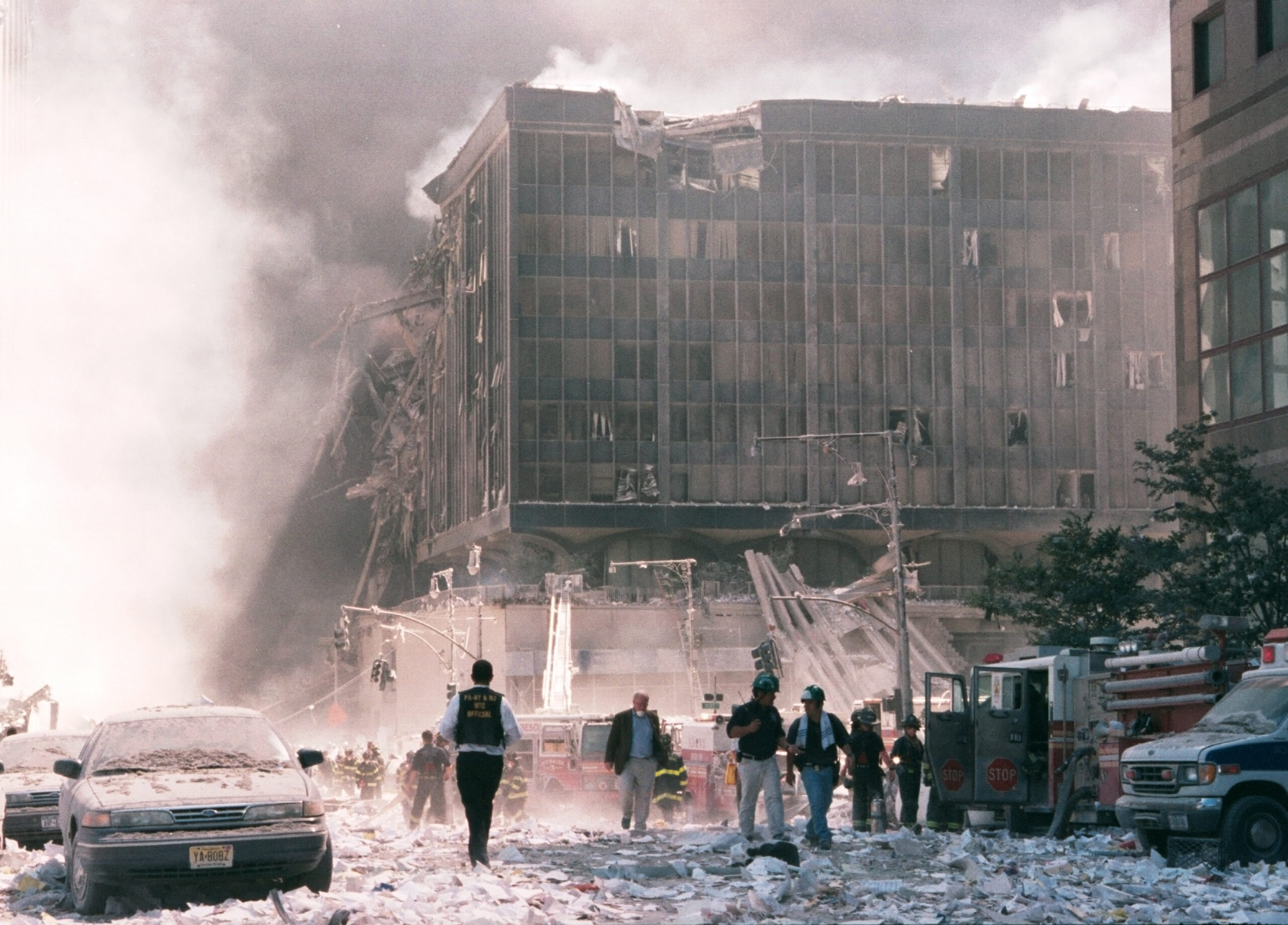
A quarter-century later, some Americans continue explicitly to associate Muslims with the attacks, with respondents citing 9/11 and the destruction of the World Trade Center when explaining negative views of Muslims.
Editorial credit: Anthony Correia / Shutterstock.com
Muslims report discrimination
Fifty-nine per cent of Muslims say there is “a lot” of discrimination against Muslims in the United States, while the same percentage say portrayals of Muslims in television and films are unfair.
However, 34% said somebody had expressed support for them during the previous year specifically because of their religion.
Previous Pew research suggests experiences can differ considerably depending on age and whether Muslims were born in the United States or migrated there.
In 2017, 61% of US-born Muslims reported experiencing discrimination, compared with 39% of foreign-born Muslims.
Only 30% of American-born Muslims said the American public was generally friendly towards Muslims, compared with 73% of Muslims born abroad.
US-born Muslims were also considerably more critical of the media, with 74% saying news coverage of Islam and Muslims was unfair compared with 49% of foreign-born Muslims.
Anti-Muslim hate crime
Official FBI statistics underline how dramatically 9/11 changed the environment for American Muslims.
There were just 28 recorded anti-Islamic hate crime incidents in 2000. That figure exploded to 481 in 2001 following the attacks.
Although it subsequently fell, the annual number has never returned to its pre-9/11 level.
The FBI recorded 307 incidents in 2016, 236 in 2023, 228 in 2024 and 205 in 2025.
Growing political influence
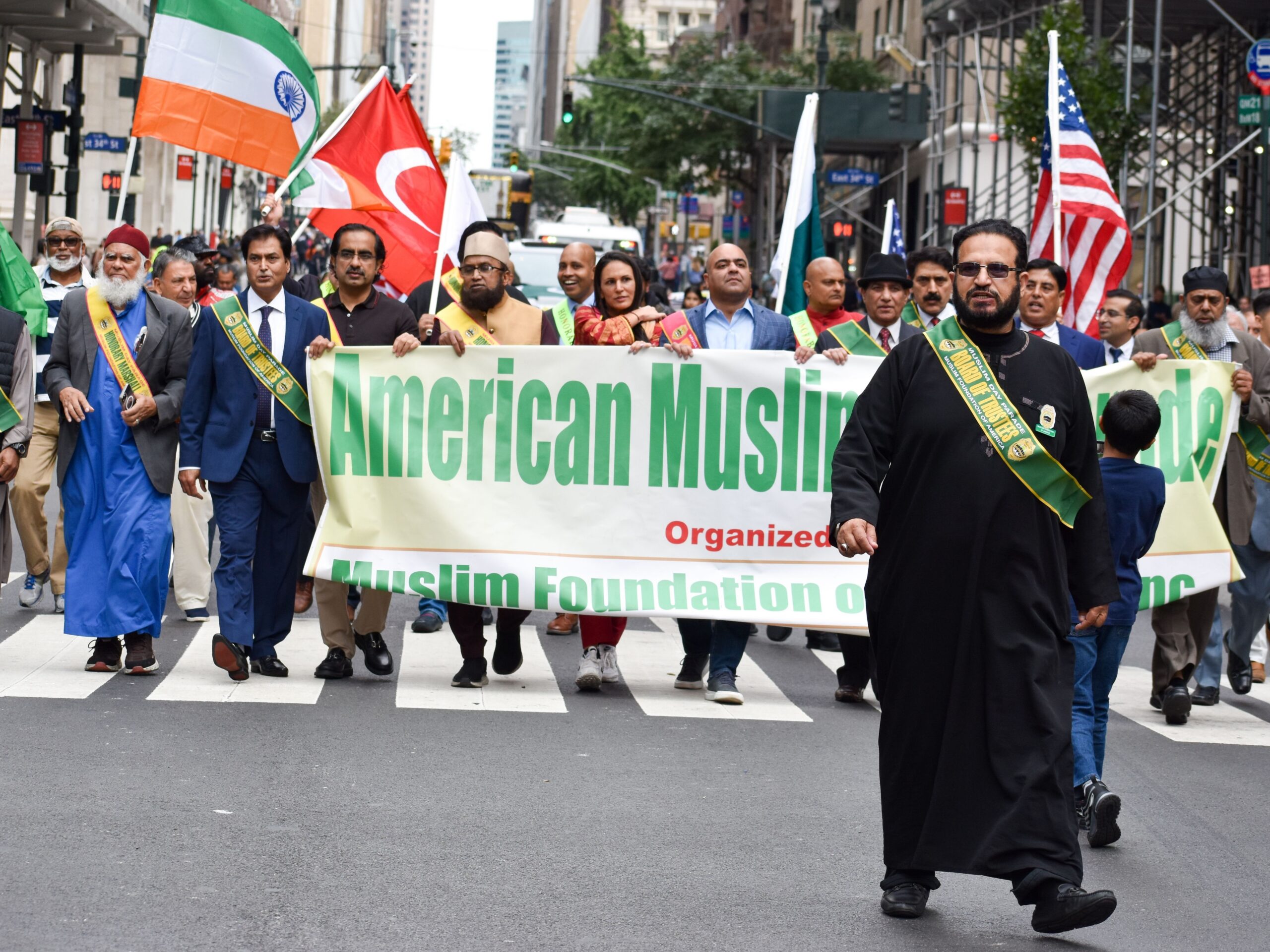
The political position of American Muslims has also changed considerably.
There were no Muslim members of Congress in 2001. Today there are four, with a fifth set to join.
And in New York — the city most closely associated with the September 11 attacks — Zohran Mamdani was inaugurated this year as the city’s first Muslim mayor.
Meanwhile, Abdul El-Sayed has won the Democratic nomination for the US Senate in Michigan, while Mehmet Oz became the first Muslim nominated for a Senate seat by a major American political party when he stood as the Republican candidate in Pennsylvania in 2022.
That increased prominence has coincided with openly anti-Muslim rhetoric from some politicians, with Pew highlighting comments this year from Republican congressmen Chip Roy and Nancy Mace attacking the presence of Muslims in the United States and in public office.
So 25 years after 9/11, the picture emerging from Pew’s research is contradictory.
American Muslims are more numerous, institutionally established and politically visible than ever before.
Yet attitudes towards Islam remain deeply negative among substantial sections of the wider population, anti-Muslim hate crime remains considerably above its pre-9/11 level, and a majority of Muslims themselves believe they face significant discrimination.