


Iran is preparing for the possibility of a U.S. ground invasion, with reports claiming up to one million fighters could be mobilised.
Iranian authorities are reportedly organising a massive defensive force in response to growing threats from Washington.
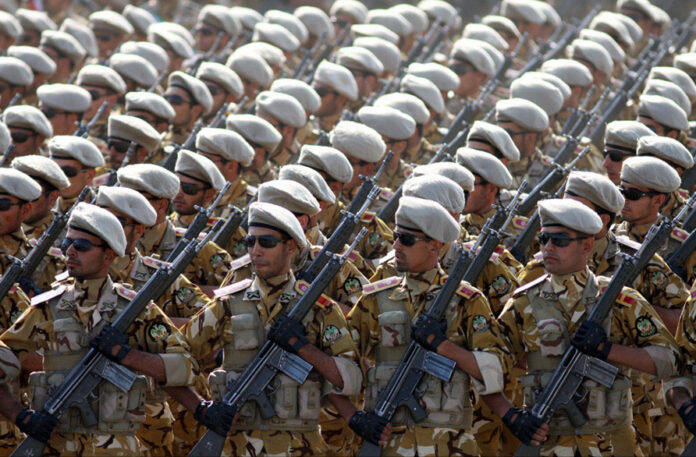
The figure of one million includes regular troops, reservists, and members of paramilitary groups.
These forces would be tasked with resisting any large-scale U.S. landing, particularly around key strategic bases.
Kharg Island has emerged as a focal point in these preparations. The island is critical to Iran’s oil exports and sits in a highly sensitive position in the Persian Gulf.

Reports suggest Tehran is reinforcing infrastructure there, while also preparing defensive positions in anticipation of a possible assault.
Symbolism or real force
Subscribe to our newsletter and stay updated on the latest news and updates from around the Muslim world!
Iran’s mobilisation appears designed to send a strong deterrent message. Officials want to demonstrate that any invasion would be costly and prolonged.
By highlighting such a large number of potential fighters, Tehran is signalling readiness for a drawn-out conflict.

Military analysts note that Iran has long relied on asymmetric warfare strategies.
Instead of matching U.S. firepower directly, it focuses on numbers, terrain, and unconventional tactics.
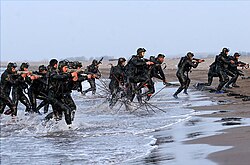
This includes the use of fast attack boats, coastal defences, and guerrilla-style resistance.
However, some experts argue that a full-scale U.S. ground invasion remains unlikely. The logistical challenges alone would be immense.
Launching such an operation across the Gulf would require significant resources and expose American forces to immediate counterattacks.
There are also concerns about the narrow waterways in the region.
The Strait of Hormuz is one of the world’s most important oil routes. Any conflict there would disrupt global energy markets and trigger wider instability.
Strategic islands
Kharg Island plays a central role in Iran’s economic survival. A large portion of the country’s exports pass through this choke point. Strengthening its defences is therefore both a military and economic priority.
Reports indicate that Iran is not only fortifying the island but also improving its ability to sustain prolonged resistance.
This includes stockpiling supplies and enhancing communication networks. The goal is to ensure that even under attack, operations can continue.
Despite these preparations, military observers remain sceptical about the likelihood of a direct US landing.
Air strikes and naval pressure are seen as more probable options. These methods allow Washington to exert force without committing to a risky ground campaign.
Still, Iran’s leadership appears unwilling to take chances. The mobilisation effort also serves an internal purpose. It boosts morale and reinforces the narrative of national defence against foreign threats.
Tensions between Iran and the US have escalated over recent years. Disputes over sanctions, regional influence, and nuclear activity have created a volatile environment.
Both sides have engaged in shows of force, increasing the risk of miscalculation.
Iran’s strategy has often involved preparing for worst-case scenarios. The idea of mobilising large numbers of fighters fits into this approach.
It reflects a belief that sheer manpower can offset technological disadvantages.
Publicly discussing large-scale mobilisation may provoke stronger responses from adversaries. This creates a cycle of escalation, blinkmanship.